In 2025, the Republican Party stands at a crossroads. Once defined by traditional conservatism and small-government ideals, the GOP is undergoing a deep transformation reshaping its identity, leadership, and policy agenda to meet the challenges of a rapidly changing America.
From internal debates over immigration and economic policy to the rise of new conservative voices, the Republican Party is redefining its place in an increasingly diverse and divided nation.
A Party in Transition
The evolution of the Republican Party has been driven by shifting voter demographics and cultural dynamics. Younger conservatives are pushing for a broader focus on technology, free speech, and fiscal responsibility, while older factions continue to emphasize traditional values, strong borders, and law enforcement.
This generational divide has led to vigorous internal discussions about what it truly means to be a conservative in modern America. The party’s future direction now depends on how effectively it can unite these competing priorities under a shared national vision.
Conservative Leadership in a New Era
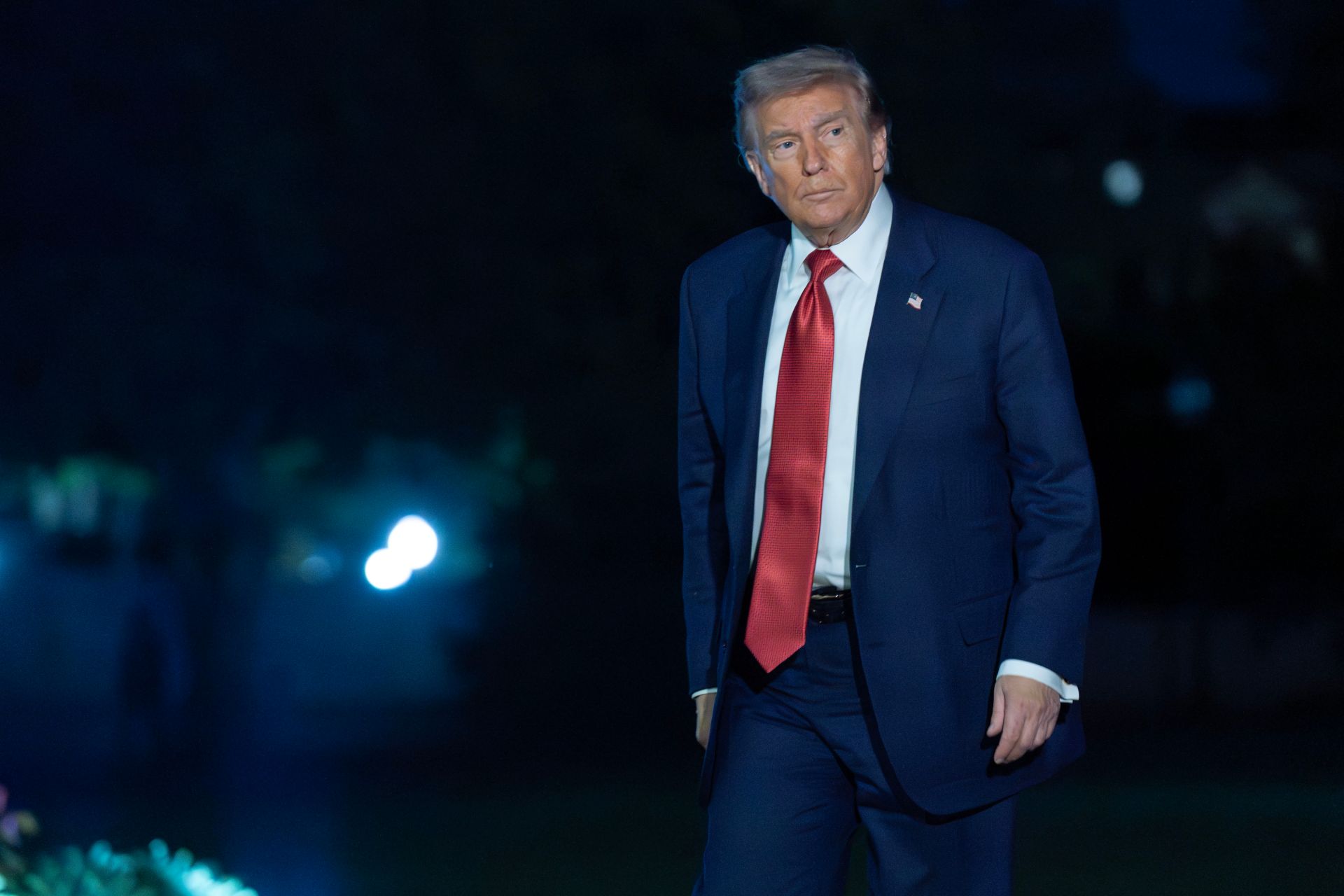
New faces in conservative leadership are emerging as the GOP adapts to post-Trump politics. Governors, senators, and local leaders are offering fresh approaches that blend populist energy with pragmatic governance.
Figures emphasizing state autonomy, economic competitiveness, and energy independence are gaining traction signaling a return to policy-driven conservatism rather than personality-centered politics.
At the same time, the Republican base remains energized by culture war issues, creating tension between those seeking broader appeal and those doubling down on ideological purity.
Economic Focus and Policy Shifts
In response to inflation, global trade disruptions, and domestic inequality, the Republican Party in 2025 is refocusing on economic growth and fiscal accountability. Proposals for lower taxes, deregulation, and small business support dominate its economic platform.
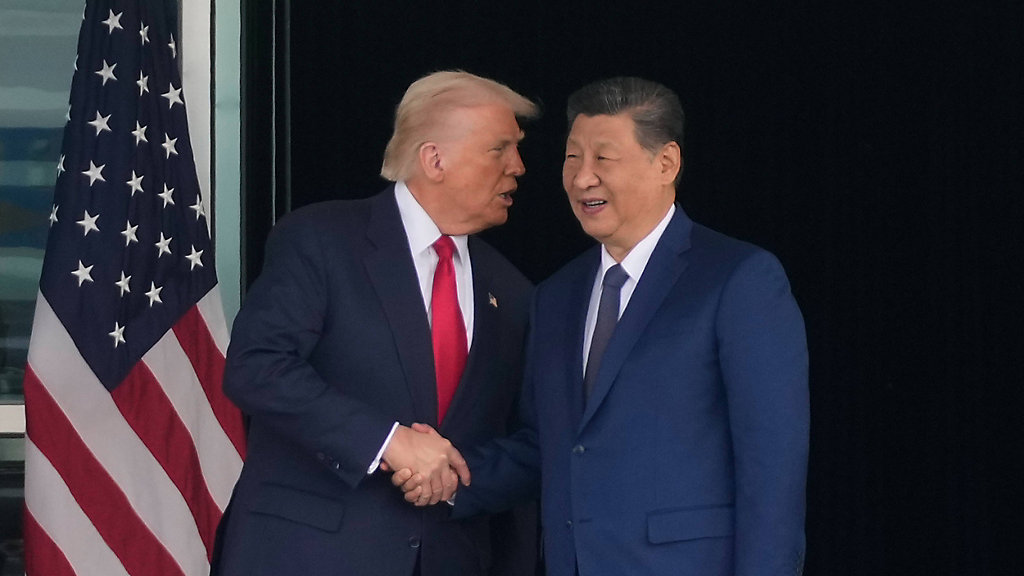
Yet, the party’s evolving stance also reflects changing priorities including an increased emphasis on manufacturing, infrastructure investment, and technological innovation to compete with global rivals like China.
This blend of traditional capitalism with a renewed commitment to American workers may define the next generation of conservative leadership.
The Role of Voters and Media
Social media continues to shape how political messages are delivered and received. The GOP’s growing online ecosystem allows new voices to rise quickly, creating both opportunities for outreach and challenges in message consistency.
Meanwhile, suburban and minority voters are becoming crucial to the party’s long-term success. Winning their trust requires a more inclusive approach that balances conservative values with forward-looking policy solutions.
Conclusion
The Republican Party of 2025 is no longer the same GOP of the past decade it’s a movement in flux, balancing heritage with innovation. As new conservative leadership takes the stage, the party faces the monumental task of staying true to its roots while adapting to America’s changing social and political landscape.
Whether this transformation leads to resurgence or redefinition will depend on one thing: its ability to build a unifying message that resonates across generations, geographies, and ideologies.