Global energy markets are once again under pressure as geopolitical tensions in the Middle East intensify. Tensions in the Middle East are escalating, threatening global oil supply routes, crude oil price, raising concerns among investors, governments, and energy traders worldwide.
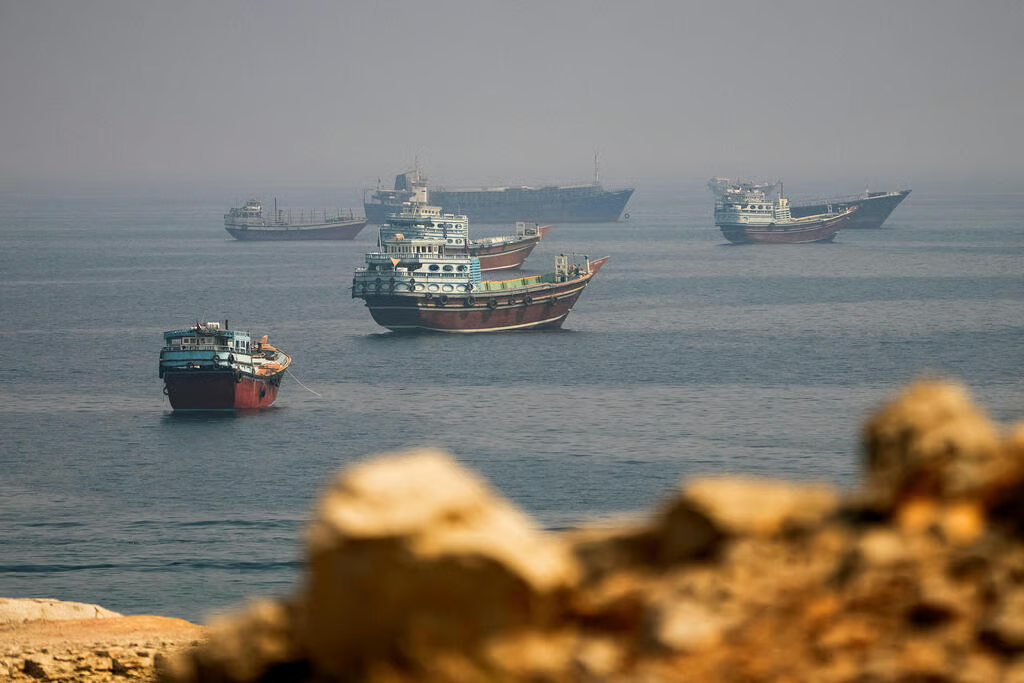
One of the most critical factors behind the sudden surge in energy prices i.e crude oil price and Gas is the vulnerability of key shipping corridors. Approximately 20% of the world’s crude oil supply flows through the Strait of Hormuz, making it one of the most strategically important energy routes on the planet.
As uncertainty grows, crude oil price volatility is increasing rapidly, creating both risks and opportunities for traders and investors.
Why the Strait of Hormuz Matters to the Global Economy
The Strait of Hormuz connects the Persian Gulf with international shipping lanes. This narrow waterway is the primary export route for major oil-producing countries in the region.
Any disruption in this corridor could significantly impact global energy supply chains.
Key oil exporters relying on this route include:
-
Saudi Arabia
-
United Arab Emirates
-
Kuwait
-
Iraq
Because of this heavy dependence, even minor security threats can trigger immediate reactions in global energy markets.
Crude Oil Prices React Quickly
Energy traders witnessed an overnight surge in oil markets as crude oil price jumped from $69 to $74 per barrel.
Such rapid price movements typically occur when markets anticipate supply disruptions. Traders often respond immediately to geopolitical developments, pricing in potential risks before actual shortages occur.
These sudden spikes highlight how sensitive the energy market is to political instability.
Market Volatility Is Increasing
Financial markets dislike uncertainty, and geopolitical conflicts often create unpredictable conditions. As a result, market volatility tends to rise sharply during periods of regional instability.
Investors are closely watching developments in the Middle East because disruptions in oil supply can affect:
-
Global inflation levels
-
Transportation costs
-
Energy prices for consumers
-
Stock market performance
When energy prices surge, ripple effects can be felt across multiple sectors of the global economy.
Why Oil Traders Are Paying Attention
For professional traders, volatility is not always a negative factor. In fact, large price movements can create profitable trading opportunities.
During geopolitical crises, the oil market often experiences:
-
Rapid price swings
-
Increased trading volume
-
Strong demand for energy futures
These conditions make oil trading one of the most actively monitored financial activities during global crises.
However, trading during volatile periods also carries higher risk, making market awareness and strategy essential.
The Role of Global Energy Demand
Even without geopolitical tensions, global demand for oil remains strong. Economic growth, industrial activity, and transportation needs continue to drive energy consumption.
Major economies such as:
-
United States
-
China
-
India
consume enormous volumes of oil daily. When supply uncertainty emerges, demand pressure can quickly push prices higher.
Digital Traders and Market Awareness
Modern traders rely heavily on digital platforms to track energy market movements. Real-time data, geopolitical news, and economic indicators all influence trading decisions.
For publishers covering energy markets, combining timely analysis with content repurposing automated social media tools can significantly increase audience reach. Turning detailed articles into short updates, infographics, and market alerts helps traders stay informed across multiple platforms.
This approach not only improves content visibility but also drives high traffic to financial news websites.
Are You Ready to Trade Crude Oil?
With crude oil price fluctuations becoming more frequent, traders must stay alert and informed. The global oil market is shaped by a complex mix of geopolitics, supply dynamics, and economic demand.
While volatility creates potential opportunities, successful traders focus on:
-
Risk management
-
Market research
-
Real-time geopolitical updates
-
Strategic entry and exit points
Understanding global developments can make the difference between reacting emotionally and trading strategically.
Final Thoughts
The current situation demonstrates how quickly geopolitical tensions can influence global markets. Tensions in the Middle East are escalating, threatening global oil supply routes, and the effects are already visible in rising energy prices.
As oil trading activity increases and markets react to uncertainty, investors and analysts will continue monitoring developments closely.
For digital publishers and financial bloggers, sharing timely insights and using content repurposing automated social media tools can dramatically expand reach and attract traders looking for reliable market updates.
In the world of global energy markets, information is just as valuable as oil itself.