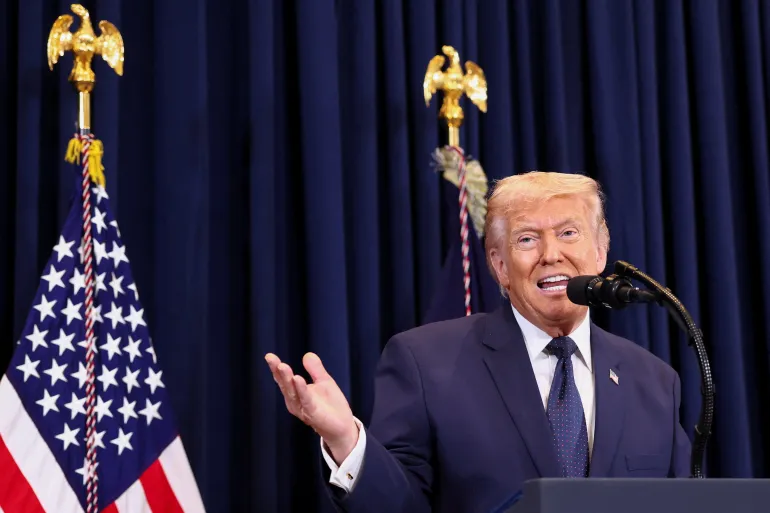
In 2025, the United States finds itself at a crossroads in defining the future of cryptocurrency regulation. As digital assets move from the fringes of finance to the mainstream, policymakers are grappling with how to balance innovation, investor protection, and national security.
While the crypto ecosystem offers exciting opportunities for decentralized finance and global trade, it also raises pressing questions about control, compliance, and long-term stability within the digital economy.
The Evolution of U.S. Cryptocurrency Oversight
For over a decade, the U.S. government has approached cryptocurrency regulation cautiously, allowing innovation to flourish while attempting to curb risks such as fraud, money laundering, and market manipulation.
Agencies like the Securities and Exchange Commission (SEC) and the Commodity Futures Trading Commission (CFTC) have increasingly asserted their roles, classifying certain tokens as securities or commodities and demanding stricter reporting standards.
However, the lack of a unified national framework has led to confusion among investors and businesses creating a patchwork of state-level regulations that sometimes contradict federal guidance.
Control and Compliance: Striking a Delicate Balance
The biggest challenge for regulators lies in achieving a balance between control and compliance without stifling innovation. The government’s efforts aim to ensure that cryptocurrency exchanges, wallets, and fintech companies adhere to anti-money laundering (AML) and know-your-customer (KYC) policies while maintaining consumer trust.
Major exchanges now work closely with federal agencies to ensure transparency and prevent illicit transactions. This increasing regulatory compliance is seen as a key step toward legitimizing digital assets as part of the broader U.S. financial system.
The Future of Digital Finance in America
Despite the ongoing debates, there’s no doubt that cryptocurrency regulation will shape the trajectory of America’s digital economy. A clearer legal framework could attract institutional investors, stabilize markets, and make crypto integration into banking systems more seamless.
Some experts believe that regulation will drive innovation encouraging companies to develop more secure platforms and user-friendly payment systems. Others worry that excessive oversight may slow down growth or push startups to friendlier jurisdictions overseas.
As 2025 unfolds, it’s clear that the future of digital finance will depend on collaboration between government agencies, technology firms, and global partners to ensure security without suppressing innovation.
Global Context and Future Outlook
While the U.S. refines its cryptocurrency regulation, other global powers like the EU, India, and Japan are rolling out their own frameworks. International cooperation will be critical, especially as digital currencies transcend borders and redefine the concept of monetary sovereignty.
The next few years will determine whether America can remain a leader in digital innovation while safeguarding financial integrity. By crafting smart, adaptable policies, the U.S. could set the global gold standard for digital finance governance.
Conclusion
The push for effective cryptocurrency regulation marks a pivotal moment in U.S. financial history. It’s not just about controlling risk it’s about fostering trust, innovation, and accountability in a rapidly evolving market.
The future of crypto will depend on the nation’s ability to design policies that empower growth while maintaining financial security proving that technology and governance can coexist in a truly modern economy.