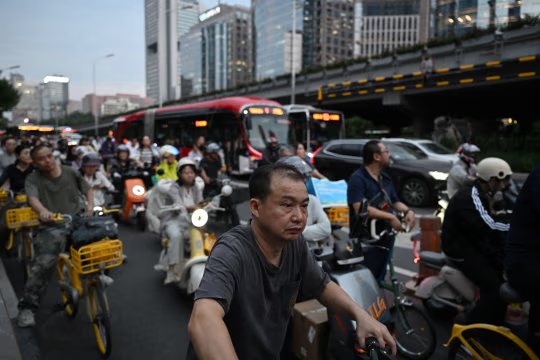
Cities around the world are embracing sustainability at an unprecedented pace. The rise of solar cities urban areas powered largely by solar energy is transforming how communities live, work, and interact with their environment. By integrating renewable energy infrastructure into city planning, governments and private sectors are creating cleaner, smarter, and more resilient urban landscapes.
This trend is not just about reducing emissions it’s about building the cities of the future.
What Makes a Solar City?
A solar city integrates solar energy systems at multiple levels:
-
Solar panels on rooftops and public buildings
-
Solar-powered streetlights and transportation
-
Solar farms supplying the grid
-
Smart energy storage and distribution networks
These measures reduce dependency on fossil fuels while boosting local energy security.
The Drivers Behind Solar Cities
Several key factors are pushing cities toward solar adoption:
-
Environmental Goals : Urban centers account for a large share of greenhouse gas emissions. Solar cities significantly reduce carbon footprints.
-
Economic Incentives : Falling solar panel costs and government subsidies make renewable energy more accessible.
-
Energy Independence : Local solar generation decreases reliance on centralized power grids and imported fuels.
-
Technological Advancements : Smart grids and energy storage solutions enhance the efficiency of solar systems.
Together, these drivers make solar cities increasingly attractive to governments and investors alike.
Benefits of Solar Cities
Solar cities provide more than just clean energy:
-
Lower energy bills for residents and businesses
-
Reduced air pollution and health risks
-
Increased resilience during power outages or natural disasters
-
Opportunities for green jobs and local economic growth
By investing in renewable energy infrastructure, cities create long-term value for both citizens and the environment.
Global Examples of Solar Cities
Several urban areas are leading the charge:
-
Masdar City, UAE : A zero-carbon city powered almost entirely by renewable energy.
-
Freiburg, Germany : Integrates solar energy into building codes and public projects.
-
San Diego, USA : Aggressive solar adoption paired with smart energy management systems.
These examples show that solar cities are not just theoretical they are thriving models for the rest of the world.
Challenges and Solutions
Despite progress, solar cities face challenges:
-
High initial installation costs
-
Energy storage limitations
-
Urban planning constraints
-
Public awareness and engagement
Solutions include government incentives, investment in battery technology, and integrating solar planning into city development policies.
The Future of Solar Cities
The global shift toward solar cities is accelerating. Future trends include:
-
Widespread use of rooftop solar panels in urban housing
-
Solar-powered public transportation systems
-
AI-driven smart grids for energy optimization
-
Net-zero city initiatives worldwide
As technology improves, solar cities will become not only practical but expected.
Final Thoughts
Solar cities represent a critical step toward a sustainable, resilient, and modern urban future. By investing in solar cities and upgrading renewable energy infrastructure, governments and communities can reduce emissions, improve quality of life, and lead the world in sustainable innovation.
The norm is shifting clean energy cities are no longer the exception; they are the future.