A news clip shows world leaders and analysts talking about escalating tensions between the United States and Iran. Reports highlight growing signs of confrontation, shifting troop movements, and strong government statements from both sides. In today’s global climate, such developments grab attention quickly because they affect markets, security, and diplomacy far beyond the Middle East.
Why Tensions Escalated After Recent Protests
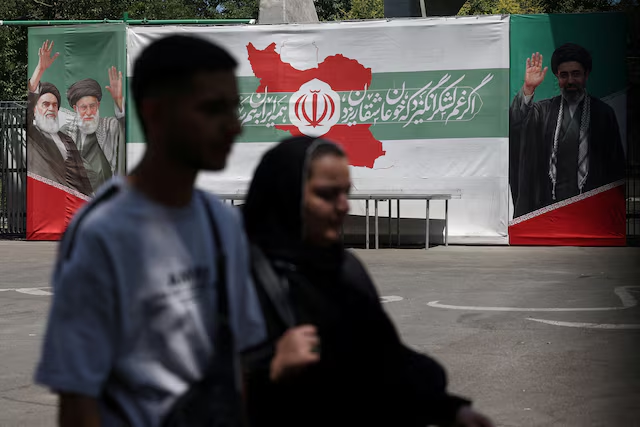
First, massive protests in Iran have drawn international reaction. In late 2025 and early 2026, nationwide demonstrations over economic hardship and government crackdowns gained global coverage. This internal unrest added to pressure on Tehran while attracting warnings from Washington. Consequently, US-Iran conflict dynamics moved from regional instability to a potential flashpoint in international security.
Military Maneuvers Signal Serious Concern
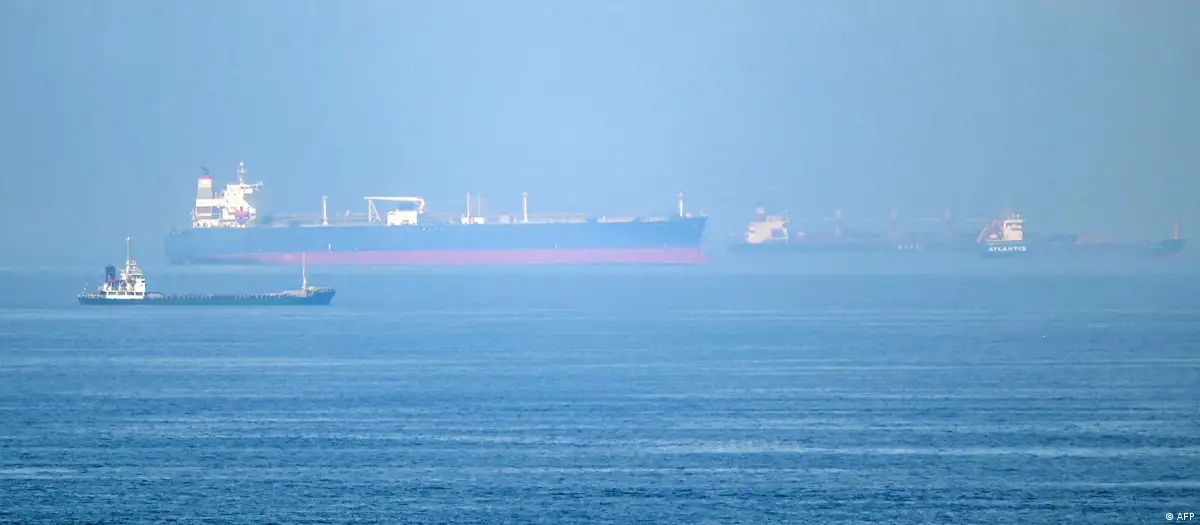
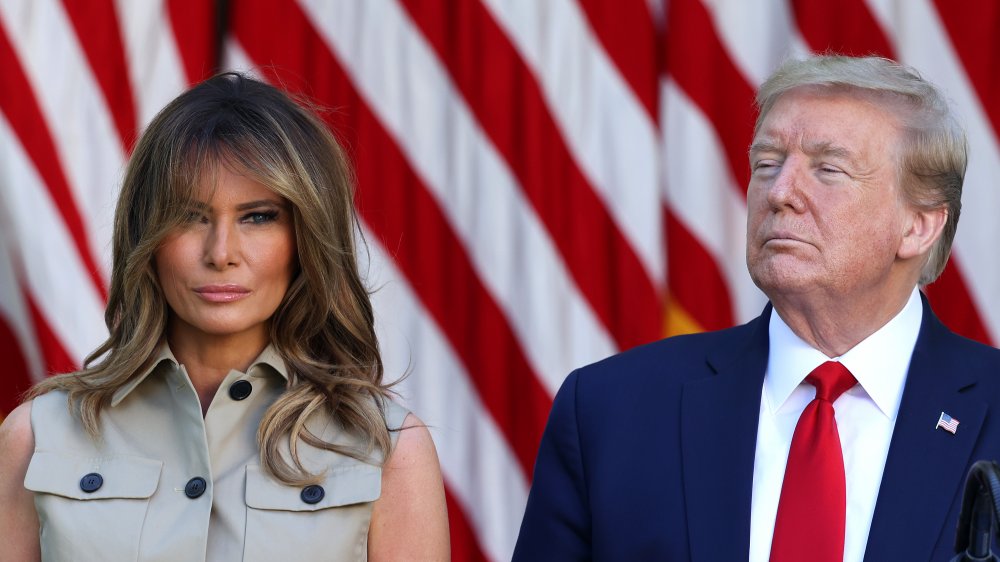
Next, the United States has shifted significant naval assets toward the Middle East. President Trump publicly stated that an “armada” including the USS Abraham Lincoln and guided-missile destroyers is heading toward the region. Although officials emphasize deterrence, the buildup signals serious concern about possible escalation. Such movements affect regional planning and reassure U.S. allies while warning adversaries.
Meanwhile, Iran’s leadership and military commanders responded with warnings of severe retaliation if they perceive direct military strikes against their territory. This hardline messaging reinforces how US-Iran conflict dynamics now include rhetoric that could accelerate missteps if not carefully managed.
Regional Security and International Reactions
At the same time, tensions have affected global actors. Major airlines paused flights over the Middle East due to safety concerns, showing how geopolitics influences global mobility and trade. European carriers like Lufthansa and Air France adjusted routes, indicating international apprehension.
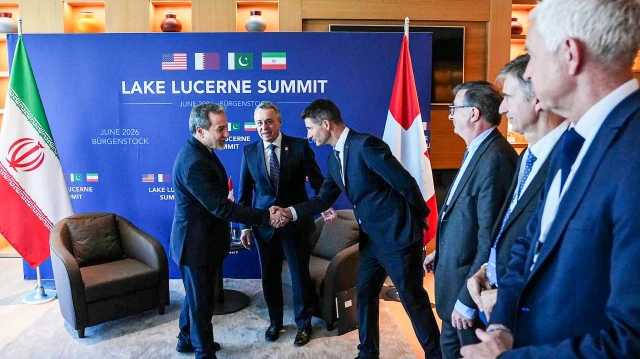
Additionally, governments and international organizations continue to watch closely for escalation signals. Diplomatic channels work in parallel with public warnings, since outright conflict would carry far-reaching consequences for energy markets, regional alliances, and global stability.
What This Means for Global Security
Looking forward, the situation remains unpredictable. Military deployments and political warnings do not guarantee war, yet they certainly raise risk levels. Analysts emphasize the importance of dialogue, restraint, and multilateral pressure to avoid direct confrontation.
At the same time, public opinion in the U.S. shows widespread caution about entering a new Middle East war, even amid growing rhetoric a factor that may influence political calculations in Washington.
Final Thoughts
Today’s rising military tensions between the U.S. and Iran reflect deeper geopolitical shifts and internal pressures within both nations. The buildup of naval forces, strong public warnings, and international reactions all show how conflict risks spill into broader arenas. For now, leaders must balance deterrence with diplomacy to prevent escalation from growing into open, harmful confrontation.