Throughout history, every major WORLD war has transformed nations, reshaped political alliances, and dramatically impacted the global economy. While wars begin on battlefields, their effects quickly spread to financial markets, businesses, consumers, and governments worldwide.
Modern economies are deeply interconnected. A conflict involving major powers can disrupt trade routes, increase inflation, raise energy costs, destabilize financial markets, and slow economic growth across continents. Even countries that remain neutral often experience economic consequences because of their dependence on international trade and global supply chains.
Understanding how a WORLD war affects the global economy helps governments, businesses, and individuals prepare for potential economic challenges.
Why Modern Wars Affect the Entire World
Unlike previous centuries, today’s economies rely heavily on globalization.
Countries depend on one another for:
- Energy supplies
- Food production
- Technology components
- Manufacturing materials
- International shipping
When a large-scale WORLD war disrupts any of these systems, the effects spread far beyond the countries directly involved in the conflict.
This interconnected structure means that even distant nations can experience inflation, shortages, and economic uncertainty.
Global Trade Faces Immediate Disruption
One of the first casualties of a major conflict is international trade.
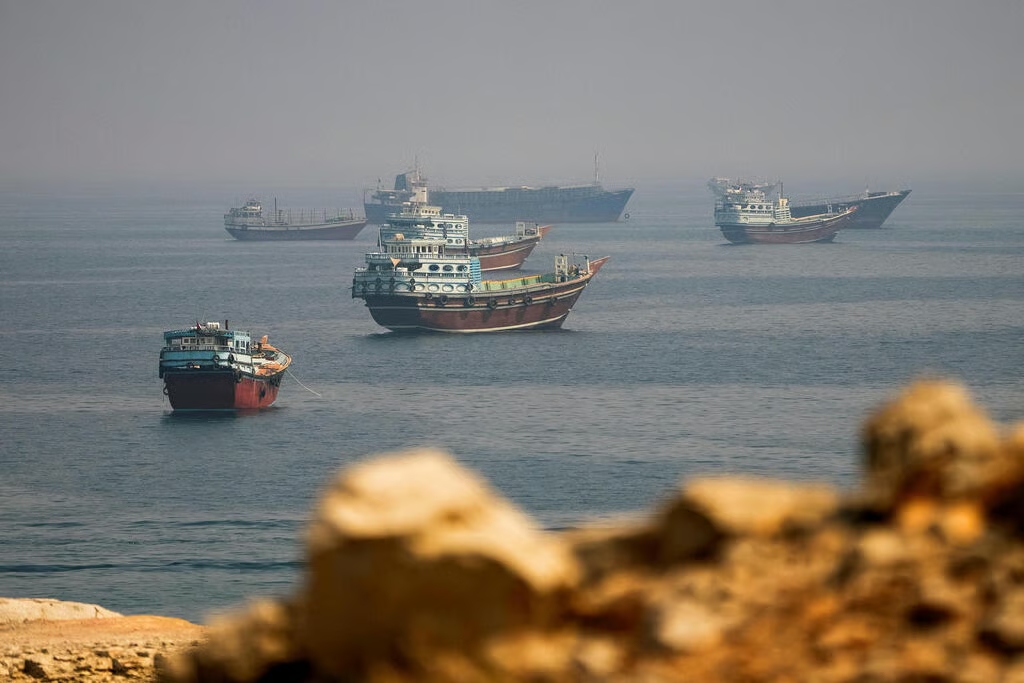
Shipping routes may become unsafe, sanctions may restrict commerce, and businesses may halt operations in conflict zones.
Trade disruptions can lead to:
- Higher transportation costs
- Product shortages
- Delayed deliveries
- Increased manufacturing expenses
As global trade slows, economic growth often declines, placing pressure on the broader global economy.
Energy Prices Usually Rise
Energy markets react quickly to geopolitical instability.
Oil and natural gas prices often surge when military conflicts threaten:
- Production facilities
- Shipping lanes
- Export terminals
- Strategic energy reserves
Higher energy costs affect nearly every sector of the economy.
Businesses face higher operating expenses, transportation becomes more expensive, and consumers often pay more for goods and services.
As a result, a major WORLD war can significantly increase inflation worldwide.
Inflation Becomes a Major Concern
Inflation often rises during wartime because demand remains strong while supply becomes constrained.
Several factors contribute to inflation:
- Supply chain disruptions
- Rising fuel costs
- Increased government spending
- Manufacturing shortages
When inflation accelerates, consumers lose purchasing power and businesses face higher costs.
This creates additional pressure on the global economy, especially if central banks struggle to control price increases.
Stock Markets React to Uncertainty
Financial markets dislike uncertainty.
Investors often respond to geopolitical risks by moving money into safer assets.
Common market reactions include:
- Stock market declines
- Increased volatility
- Reduced investment activity
- Capital flight
Large-scale conflicts can trigger widespread market selloffs as investors attempt to reduce risk exposure.
The longer a conflict lasts, the greater the potential impact on investor confidence.
Supply Chains Can Break Down
Modern supply chains depend on global cooperation.
A major WORLD war can disrupt critical industries by limiting access to:
- Semiconductors
- Raw materials
- Industrial metals
- Agricultural products
Manufacturers may struggle to obtain essential components, leading to production delays and higher prices.
Supply chain disruptions can take years to resolve, creating lasting economic challenges.
Governments Increase Military Spending
During wartime, governments often redirect resources toward defense.
Military expenditures may rise significantly as countries invest in:
- Weapons systems
- Defense infrastructure
- Intelligence operations
- National security initiatives
While defense spending can stimulate certain industries, it may also reduce investment in:
- Education
- Healthcare
- Infrastructure
- Social programs
This shift can create long-term economic trade-offs.
Food Prices Often Increase
Food security becomes a major concern during large conflicts.
Agricultural production can suffer because of:
- Labor shortages
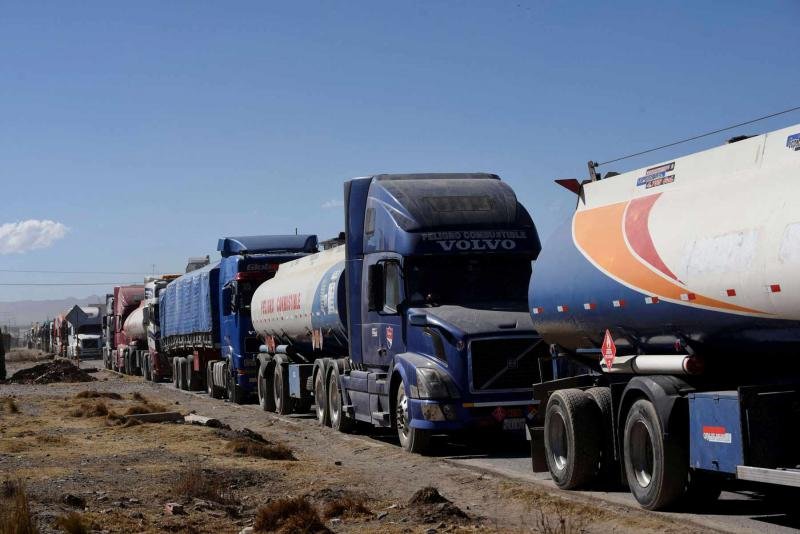
- Transportation disruptions
- Damaged infrastructure
- Export restrictions
When food supplies become limited, prices rise.
Higher food costs place additional pressure on households and contribute to broader inflationary trends affecting the global economy.
Currency Markets Become Volatile
Major conflicts often create instability in foreign exchange markets.
Investors may seek refuge in currencies perceived as safer.
This movement can lead to:
- Exchange rate fluctuations
- Reduced trade competitiveness
- Increased import costs
- Financial instability
Currency volatility can create challenges for businesses operating internationally.
Developing Economies Face Greater Risks
Emerging economies often suffer disproportionately during periods of global conflict.
These countries may experience:
- Capital outflows
- Rising debt burdens
- Reduced foreign investment
- Currency depreciation
Because many developing nations rely heavily on imports, rising commodity prices can have severe economic consequences.
Technology and Innovation May Slow
Economic uncertainty often discourages private-sector investment.
Businesses may postpone spending on:
- Research and development
- New technologies
- Expansion projects
- Innovation initiatives
A prolonged WORLD war can therefore reduce productivity growth and slow technological advancement.
The Human Cost Has Economic Consequences
Beyond financial markets and trade statistics, wars carry significant human costs.
Loss of life, displacement, and destruction of infrastructure can weaken economic productivity for decades.
Post-war reconstruction often requires enormous investments and long-term planning.
The economic effects frequently continue long after military operations end.
Can the Global Economy Recover?
History shows that economies can recover from major conflicts.
Recovery typically depends on:
- Political stability
- Reconstruction efforts
- International cooperation
- Trade normalization
However, the speed and strength of recovery vary significantly depending on the scale of the conflict and the damage inflicted.
Strong institutions and effective economic policies often play a crucial role in rebuilding prosperity.
Lessons From Previous Global Conflicts
Past conflicts demonstrate several important lessons:
- Diversified supply chains improve resilience.
- Energy security reduces vulnerability.
- International cooperation supports recovery.
- Stable financial systems help manage crises.
Governments and businesses continue applying these lessons to prepare for future uncertainties.
Conclusion
A major WORLD war can have profound consequences for the global economy. From inflation and rising energy prices to disrupted trade and financial instability, the effects extend far beyond the battlefield.
Because modern economies are interconnected, conflicts involving major powers can influence markets, businesses, and consumers worldwide. While economies often recover over time, the short-term and long-term costs can be substantial.
Understanding these risks highlights the importance of diplomacy, economic resilience, and international cooperation in maintaining global stability and sustainable growth.