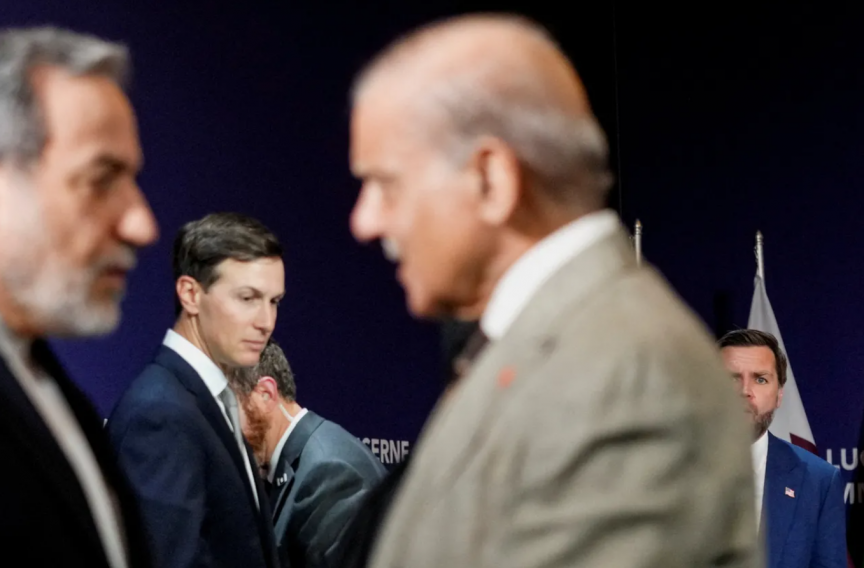
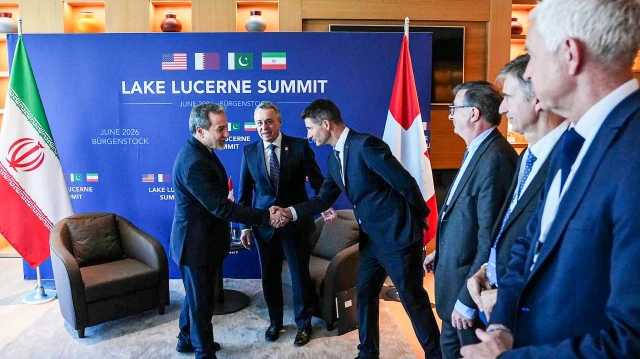
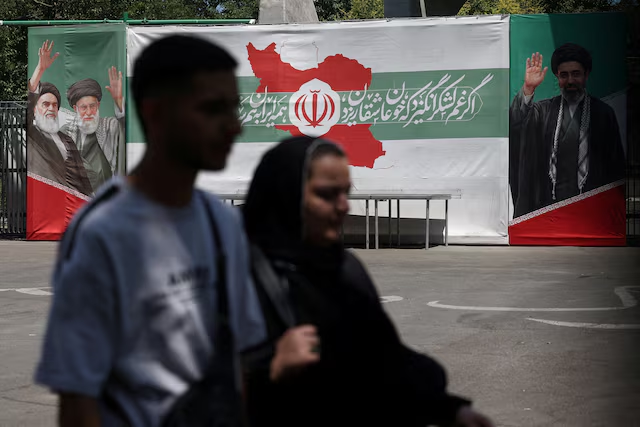
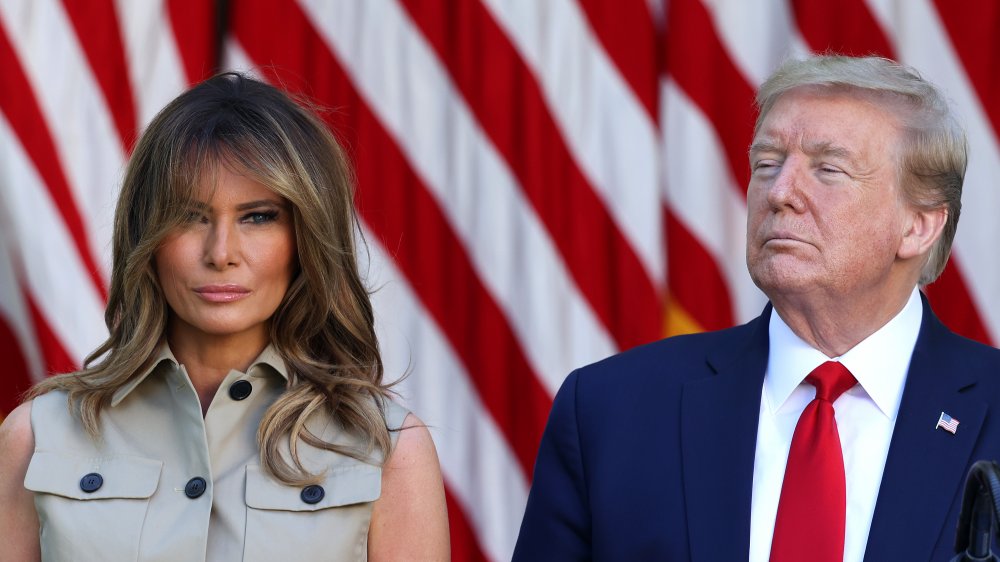
In an era where seeing is no longer believing, trust has become one of the most fragile assets in society. Across the Middle East, the rapid rise of deepfake technology is challenging how people verify truth, consume news, and trust institutions. From politics to social media, synthetic media is transforming the region’s information landscape often with serious consequences for digital trust.
What once required expert manipulation can now be achieved with a smartphone and artificial intelligence.
What Is Deepfake Technology?
Deepfakes use artificial intelligence and machine learning to create highly realistic fake videos, images, or audio recordings.
These tools can:
-
Clone voices and facial expressions
-
Alter real footage to spread false narratives
-
Impersonate public figures and officials
-
Create convincing misinformation at scale
The growing accessibility of deepfake technology makes it both powerful and dangerous.
Why the Middle East Is Especially Affected
The Middle East’s political complexity and high social media usage increase vulnerability to manipulated content.
Key factors include:
-
Ongoing regional conflicts
-
Politically sensitive information environments
-
Heavy reliance on digital news platforms
-
High public trust in video and audio evidence
In this context, deepfakes can quickly undermine digital trust.
Political and Security Implications
Deepfakes are increasingly viewed as tools of information warfare.
Major risks include:
-
Fake statements attributed to political leaders
-
Manipulated videos triggering unrest
-
Diplomatic crises sparked by false content
-
Erosion of confidence in official communications
Even the possibility of deepfakes can create doubt, weakening trust in real evidence.
Impact on Journalism and Media
Media credibility faces unprecedented pressure.
Challenges include:
-
Difficulty verifying viral content in real time
-
Loss of audience trust in authentic reporting
-
Increased spread of misinformation
-
Pressure on journalists to debunk false narratives
As deepfake technology advances, traditional fact-checking struggles to keep up.
Social Media and Public Perception
Social platforms act as amplifiers for deepfakes.
Key concerns:
-
Algorithms favoring sensational content
-
Rapid viral spread before verification
-
Emotional manipulation through fabricated videos
-
Difficulty distinguishing satire from deception
This environment accelerates the collapse of digital trust at the societal level.
Government and Regional Responses
Governments in the Middle East are beginning to respond.
Current measures include:
-
Cybercrime and misinformation laws
-
Monitoring AI-generated content
-
Public awareness campaigns
-
Collaboration with tech platforms
However, balancing regulation with free expression remains a major challenge.
Technology Fighting Technology
AI is also part of the solution.
Countermeasures include:
-
AI-based deepfake detection tools
-
Digital watermarking and authentication
-
Blockchain-based content verification
-
Media literacy initiatives
Restoring digital trust will require innovation alongside regulation.
The Future of Trust in the Digital Age
As deepfakes become more convincing, trust will shift from content itself to verification systems, trusted sources, and transparency.
The Middle East faces a critical choice: adapt quickly or risk long-term erosion of public confidence.
Final Thoughts
Deepfake technology is redefining how truth is perceived. In the Middle East, where information can influence stability and security, the stakes are especially high. Combating the misuse of deepfake technology while rebuilding digital trust will require cooperation between governments, media, tech companies, and citizens.
In the age of AI, trust must be actively protected—or it will disappear.