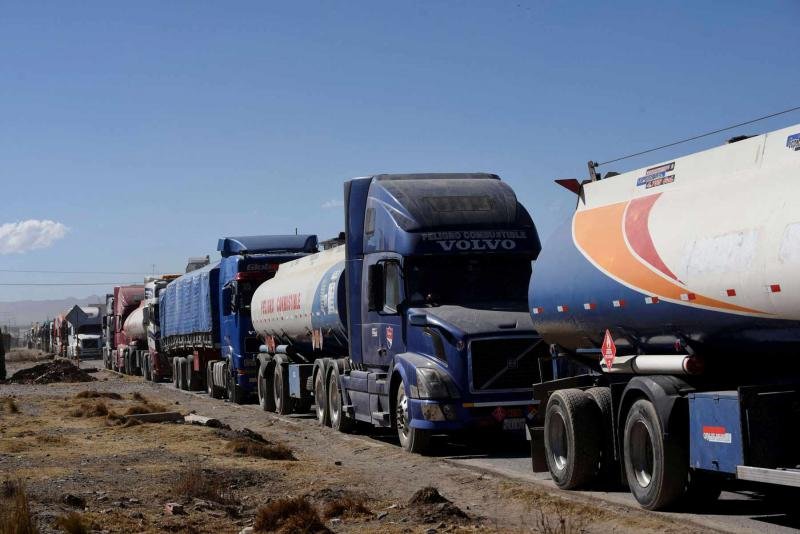
The departure of the United Kingdom from the European Union marked one of the most significant geopolitical and economic shifts in modern history. Since Brexit, trade relations between the UK and EU have entered a new phase defined by independence, negotiation, and ongoing adjustment. At the core of this evolving relationship are two key elements: post-Brexit trade agreements and customs regulations. These factors now shape how goods, services, and capital move between the UK and EU, influencing businesses, consumers, and policymakers on both sides.
The Shift from Integration to Independence
Before Brexit, the UK benefited from seamless access to the EU’s single market and customs union, allowing goods and services to flow freely without tariffs or extensive border checks. However, post-Brexit, the UK operates as a third country, requiring new frameworks to govern trade.
This transition has introduced new layers of complexity, including border controls, regulatory divergence, and compliance requirements. While the UK gained the ability to set its own trade policies, it also faced the challenge of maintaining strong economic ties with its largest trading partner.
Understanding Post-Brexit Trade Agreements
Post-Brexit trade agreements form the foundation of the current UK-EU economic relationship. The Trade and Cooperation Agreement (TCA), implemented after Brexit, outlines the rules for trade in goods and services between the two parties.
Key features include:
- Tariff-free trade for most goods, provided rules of origin are met
- Reduced regulatory alignment compared to pre-Brexit arrangements
- Limited access to certain service sectors
- Frameworks for cooperation in areas such as security and fisheries
While the agreement avoids tariffs on many products, it introduces administrative requirements that businesses must navigate.
The Role of Customs Regulations
One of the most significant changes in the post-Brexit era is the introduction of new customs regulations. These regulations require businesses to complete additional documentation, comply with border checks, and meet specific import/export requirements.
Impacts of customs regulations include:
- Increased paperwork and compliance costs
- Delays at border crossings
- Need for customs declarations and inspections
- Disruption to supply chains
For small and medium-sized enterprises (SMEs), these changes can be particularly challenging due to limited resources and expertise in international trade compliance.
Economic Impacts on Trade
The shift in UK-EU trade relations has had measurable economic effects. Trade volumes have experienced adjustments as businesses adapt to new rules and procedures.
Key economic impacts include:
- Increased costs of exporting and importing goods
- Changes in supply chain strategies
- Reduced trade intensity in some sectors
- Adjustments in foreign direct investment patterns
Sectors such as agriculture, manufacturing, and financial services have been especially affected by the new trade environment.
Regulatory Divergence and Its Consequences
Post-Brexit, the UK has the flexibility to develop its own regulations, which can differ from EU standards. This regulatory divergence can create both opportunities and challenges.
Advantages:
- Greater policy autonomy
- Ability to tailor regulations to domestic needs
- Potential for innovation in trade policy
Challenges:
- Increased compliance complexity for businesses operating across borders
- Potential barriers to market access
- Need for dual compliance with UK and EU standards
Regulatory differences can influence how easily goods and services move between the two markets.
The Impact on Businesses and Supply Chains
Businesses operating between the UK and EU have had to adapt their operations to meet new requirements. Many companies have restructured supply chains to minimize disruption and maintain efficiency.
Common adjustments include:
- Establishing warehouses within the EU or UK to avoid cross-border delays
- Diversifying suppliers to reduce dependency
- Investing in compliance and logistics expertise
- Revising pricing strategies to account for additional costs
These changes highlight the practical implications of evolving trade relationships.
Political Dimensions of UK-EU Trade
Trade relations between the UK and EU remain politically sensitive. Negotiations continue to play a role in shaping the long-term direction of the relationship.
Political considerations include:
- Sovereignty and regulatory independence
- Northern Ireland protocol arrangements
- Fisheries agreements
- Financial services access
Both sides must balance economic cooperation with political priorities, making trade discussions ongoing and dynamic.
Opportunities in the Post-Brexit Landscape
Despite challenges, the post-Brexit environment also presents opportunities for the UK and EU:
- Expansion of independent trade agreements with third countries
- Innovation in digital trade and services
- Development of new regulatory frameworks
- Strengthening of domestic industries
Businesses that adapt effectively to the new environment can find ways to remain competitive and resilient.
Future Outlook
The future of UK-EU trade relations will likely continue to evolve as both sides refine their approaches. Key areas to watch include:
- Updates or revisions to post-Brexit trade agreements
- Adjustments to customs regulations
- Ongoing political negotiations
- Technological solutions to streamline cross-border trade
- Sector-specific agreements, particularly in finance and services
The relationship will remain a critical component of both economies, requiring continuous cooperation and adaptation.
Conclusion
UK-EU trade relations in the post-Brexit reality reflect a complex balance between independence and interdependence. While new frameworks such as post-Brexit trade agreements and evolving customs regulations have introduced challenges, they have also created opportunities for innovation and policy flexibility.
As both the UK and EU navigate this new landscape, their ability to manage cooperation, reduce friction, and support economic growth will determine the long-term success of their trade relationship.