In 2025, the world finds itself navigating one of the most complex geopolitical landscapes since the Cold War. The rivalry between Russia and the West continues to dominate international relations, influencing global alliances, energy markets, and military strategies. From Europe’s eastern front to the Middle East, this tension is reshaping the architecture of global security.
At the heart of the conflict lies the growing divide over Washington’s policies, NATO expansion, and competing economic interests. The result is an environment where diplomacy, deterrence, and distrust coexist uneasily.
The Roots of Renewed Hostility
The uneasy relationship between Russia and the West didn’t begin overnight. Decades of sanctions, political disagreements, and mutual suspicion have fueled ongoing tensions. Russia’s assertive stance on Ukraine and its efforts to influence energy politics have deepened Western concerns about security and sovereignty.
Meanwhile, Washington’s policies including continued military support for Ukraine and renewed efforts to strengthen NATO’s eastern defenses have been viewed by Moscow as acts of provocation. This tug-of-war has revived fears of a new Cold War-style standoff, where global peace depends on cautious diplomacy and military restraint.
The Role of Washington’s Policies in the Global Equation
Washington’s policies are central to understanding the current geopolitical balance. The U.S. has focused on three main objectives: defending democratic nations, reducing European energy dependency on Russia, and countering Moscow’s growing ties with China.
However, these moves come with unintended consequences. While Washington aims to contain Russian influence, Moscow is deepening partnerships in regions like the Middle East, Africa, and parts of Asia regions historically influenced by Western powers. This shift is creating a multipolar world where U.S. dominance faces unprecedented challenges.
Russia’s Expanding Influence in the Middle East
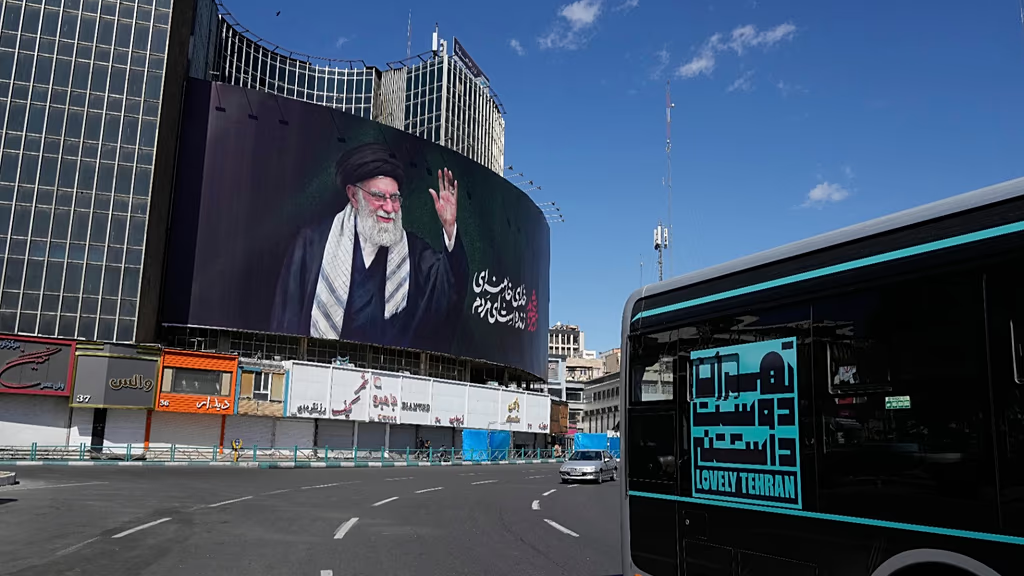
The Middle East has emerged as one of the key battlegrounds in the struggle for geopolitical dominance. Russia’s increasing military cooperation with nations such as Iran and Syria has given it leverage over regional conflicts and energy routes.
While Western nations continue to focus on diplomacy and sanctions, Russia’s pragmatic, power-based approach in the Middle East has allowed it to fill strategic voids left by retreating U.S. influence. These new alliances complicate Washington’s policies, making it harder for the West to predict or control outcomes in an already volatile region.
Global Security in a Time of Uncertainty
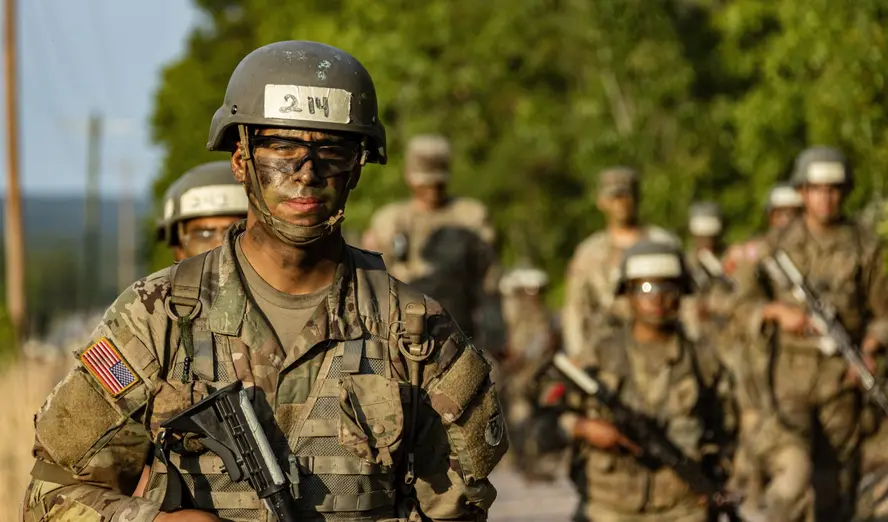
As the balance of power shifts, the global security environment becomes increasingly fragile. NATO’s response has been to expand defense cooperation among member states and invest in next-generation technology to deter potential threats.
However, with Russia forging economic and military ties across Asia and the Middle East, the West faces the challenge of maintaining unity. The rise of energy conflicts, cyber warfare, and proxy battles makes the path forward unpredictable. The stakes are high, and miscalculations on either side could have global repercussions.
The Future of Russia-West Relations
Despite mounting tensions, there are still opportunities for cautious collaboration. Shared concerns such as counterterrorism, nuclear stability, and climate change could serve as platforms for limited dialogue. Yet, for meaningful progress to occur, both sides must address the root causes of distrust and redefine engagement in the post-Cold War era.
For now, Washington’s policies remain focused on deterrence, while Moscow continues to assert its independence from Western influence. The Middle East, meanwhile, stands as the stage where much of this geopolitical theater continues to unfold.
Conclusion
The relationship between Russia and the West in 2025 is more than just a diplomatic struggle it’s a defining factor in global security. As Washington’s policies evolve to counter new threats, and as Russia strengthens its presence in the Middle East, the world watches a delicate balance of power unfold.
The next few years will test whether international leaders can navigate rivalry without crossing the line into confrontation. The future of global peace may depend on their ability to transform tension into dialogue, and competition into cautious cooperation.