In early 2026, analysts noticed Washington adjusting its approach to Iran as tensions intensified across the Middle East. Rather than rushing toward outright conflict, U.S. policymakers took a more complex route that blends pressure, caution, and strategic signaling. This shift reflected not only military concerns but also diplomatic strategy and economic realities. Consequently, the world watched closely as the United States balanced deterrence with restraint in a volatile region.
This moment did not emerge overnight, and its implications stretch beyond a single policy decision.
Strategic Restraint Over Immediate Conflict
First, U.S. leaders appear determined to apply measured strategic pressure rather than launch full-scale military action. Despite significant deployments, including carrier strike groups and aerial drills, Washington avoided open war even as rhetoric heated up. Some experts suggest that this restraint reflects a sober assessment of Iran’s ability to respond through proxies, missiles, and asymmetrical tactics, which could quickly draw in regional partners and expand conflict.
Moreover, key allies in the Gulf and Europe urge caution to prevent escalation that could destabilize the entire region.
Nuclear Concerns and Regional Influence
Next, U.S. policymakers remain focused on Iran’s nuclear capabilities and broader geopolitical role. Tehran’s uranium enrichment and missile programs keep international attention on its potential to develop more advanced weapons systems. Therefore, Washington pushes diplomatic and economic restrictions while signaling readiness to counter any advances that threaten regional stability.
At the same time, Iran’s own economic pressures and internal unrest make its leadership cautious about triggering a conflict it might not fully control.
Diplomatic Channels and Economic Leverage
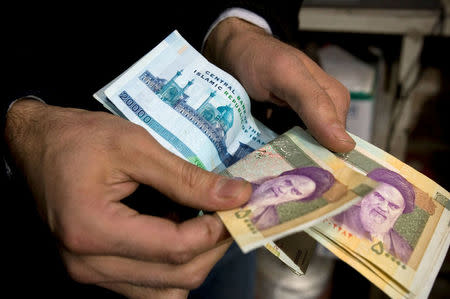
Meanwhile, sanctions and financial measures continue to form a core part of the U.S. strategy. By targeting key industries and financial networks, the United States seeks leverage without resorting to direct warfare. This approach reflects a long-standing policy of using economic tools to influence Tehran’s decisions while maintaining pressure on compliance with international norms.
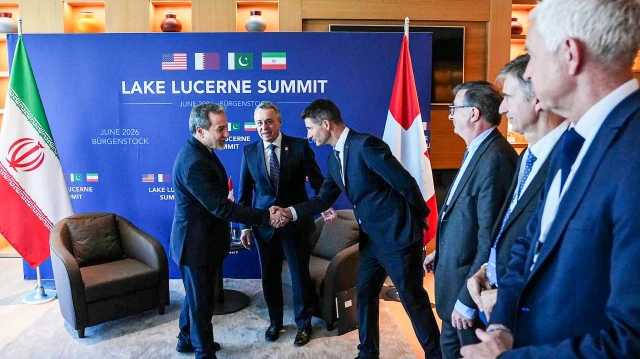
Additionally, international partners, including the European Union, have added measures that increase diplomatic pressure on Iran’s leadership.
Balancing Allies and Global Stability
At the same time, Washington must manage relationships with key regional partners like Israel and Gulf states, who both encourage firm action and fear wider war. This delicate balance requires carefully calibrated military presence and diplomatic engagement that reassuring allies without inadvertently sparking broader conflict. As a result, the United States walks a narrow line between demonstrating strength and avoiding escalation.
This dynamic reflects the complexities of U.S. Iran strategic priorities in a deeply interconnected region.
What This Means for the Future
Looking ahead, U.S. strategy with Iran will likely remain multifaceted. Washington may continue blending diplomatic pressure, military readiness, and economic sanctions to influence Tehran’s behavior without igniting open conflict. This approach acknowledges the risks of escalation and the importance of global stability in a world still recovering from other geopolitical disruptions.
Ultimately, these strategic calculations show that modern conflicts depend as much on political maneuvering and economic instruments as they do on military capabilities.