The relationship between Scotland and the rest of the United Kingdom remains one of the most closely watched political dynamics in Europe. Over the past decade, debates around independence, governance, and national identity have continued to evolve, shaping both domestic policy and international perceptions.
At the heart of these discussions are two key themes: Scottish independence and devolution policy. These issues influence how power is distributed between Edinburgh and London and play a central role in ongoing debates about the future of the United Kingdom.
The Historical Context of Scotland–UK Relations
Scotland has been part of the United Kingdom since the Acts of Union in 1707. Over time, however, political arrangements have changed significantly, especially with the introduction of devolution in 1999, which granted Scotland its own Parliament and greater control over domestic affairs.
Devolution allowed Scotland to manage areas such as education, healthcare, and transportation, while the UK Parliament retained authority over defense, foreign policy, and economic policy. This balance of powers has been central to maintaining unity while allowing regional autonomy.
The Debate Over Scottish Independence
One of the most prominent political issues in recent years is Scottish independence. Supporters of independence argue that Scotland should have full control over its own governance, including fiscal policy, international relations, and constitutional matters.
Arguments in favor include:
- Greater political autonomy
- Ability to tailor economic policies to local needs
- Strengthening of national identity
Opponents, however, raise concerns about:
- Economic uncertainty and currency arrangements
- Trade implications with the rest of the UK
- Potential disruptions to public services and institutions
Public opinion on independence has fluctuated over time, influenced by economic conditions, political leadership, and major events such as Brexit.
The Role of Devolution Policy
Devolution policy remains a cornerstone of Scotland’s current political framework. It defines the scope of powers transferred from the UK Parliament to the Scottish Parliament.
Key areas under devolved authority include:
- Healthcare
- Education
- Transportation
- Local governance
- Certain taxation powers
Devolution allows Scotland to implement policies tailored to its population while remaining part of the UK. However, debates continue over whether further powers should be devolved or whether the current balance should be maintained.
Brexit and Its Impact on Scotland
The UK’s exit from the European Union has significantly influenced Scotland–UK relations. Scotland voted to remain in the EU during the Brexit referendum, leading to renewed discussions about independence and international alignment.
Brexit has affected:
- Trade relationships between Scotland and EU countries
- Regulatory alignment and divergence
- Immigration policy
- Political sentiment regarding autonomy
These factors have contributed to ongoing political debates and calls for revisiting Scotland’s constitutional status.
Economic Considerations in Unity Debates
Economic factors play a crucial role in discussions about unity and independence. Scotland’s economy is closely integrated with the rest of the UK, with significant trade flows and shared institutions.
Key economic considerations include:
- Currency options in the event of independence
- Fiscal sustainability and public spending
- Access to UK and international markets
- Allocation of natural resources, including energy sectors
Economic uncertainty often shapes public opinion and political strategy on both sides of the debate.
Political Parties and Public Opinion
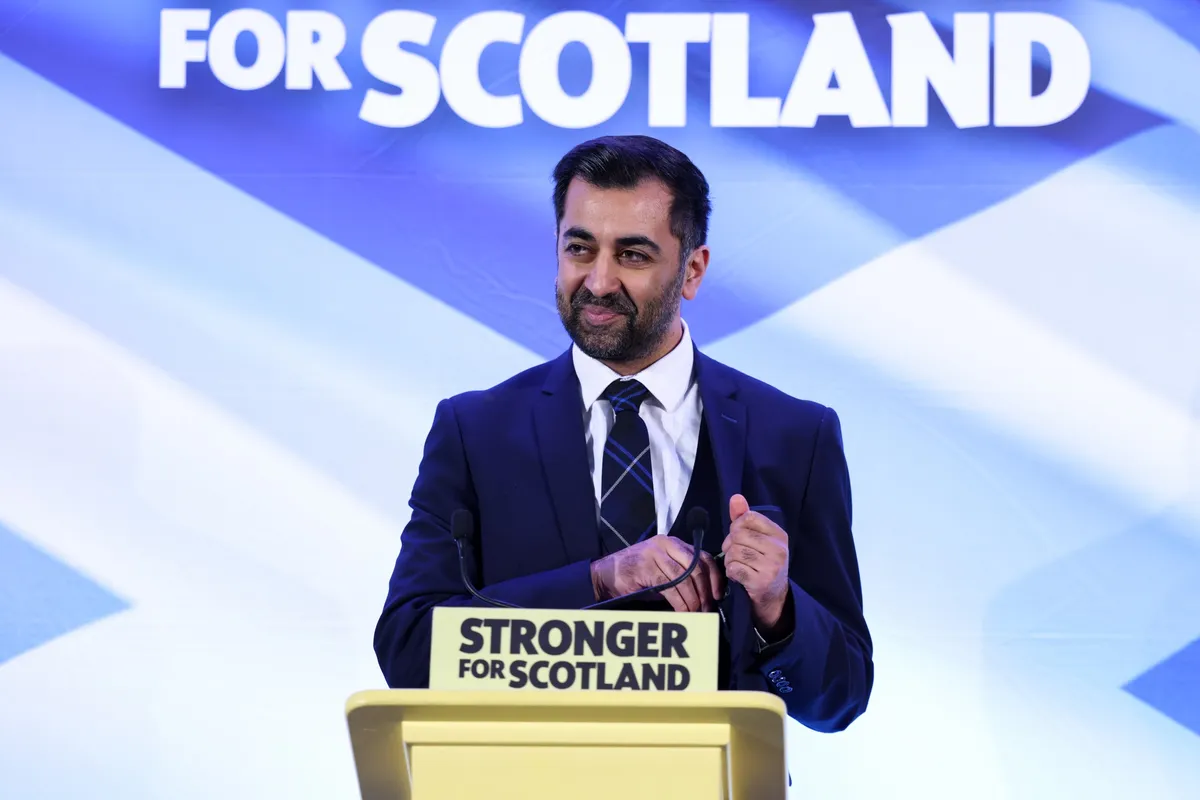
Political parties in Scotland and the UK play a major role in shaping the direction of unity debates. Parties such as the Scottish National Party (SNP) advocate for independence, while other parties support maintaining the union.
Public opinion is influenced by:
- Economic conditions
- Leadership and political messaging
- External events such as global crises or policy changes
- Regional identity and cultural factors
Surveys and elections continue to reflect a divided but engaged electorate.
The Future of Scotland–UK Relations
The future of Scotland–UK unity remains uncertain, with several possible scenarios:
- Continued status quo under the current devolution framework
- Expansion of devolved powers
- A renewed independence referendum
- Further constitutional reforms within the UK
Each outcome depends on political negotiations, public sentiment, and economic considerations.
Challenges Ahead
Several challenges will shape the future of Scotland–UK relations:
- Balancing regional autonomy with national unity
- Addressing economic disparities
- Managing political disagreements between governments
- Navigating external influences such as global markets and international agreements
- Ensuring stable governance across both Scotland and the wider UK
These challenges highlight the complexity of maintaining unity in a politically diverse environment.
Conclusion
Scotland and UK unity continues to evolve amid changing political, economic, and social dynamics. The ongoing debate around Scottish independence and devolution policy reflects deeper questions about governance, identity, and national direction.
As discussions progress, the relationship between Scotland and the UK will remain a defining feature of British politics, with outcomes that could reshape the constitutional landscape for years to come.