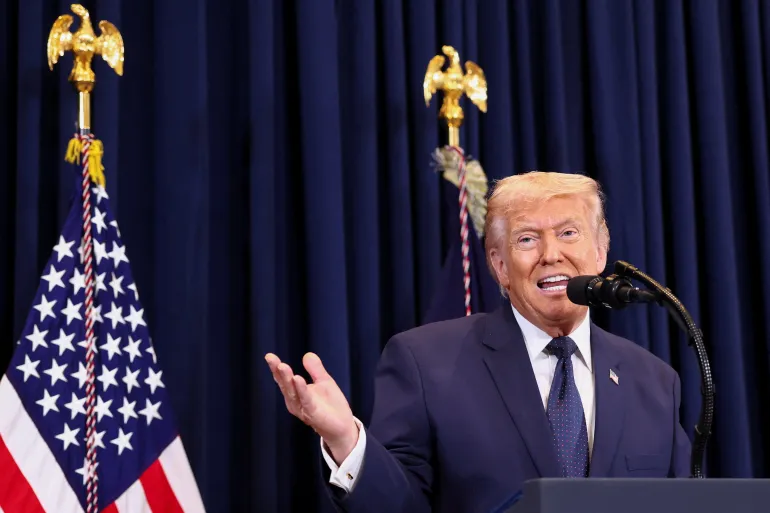
As the U.S. enters another politically charged year, questions loom large over the future of bipartisanship in Washington. Can Congress still find common ground amid deep ideological divides? In 2025, the political atmosphere is increasingly polarized, with every issue from taxes to Social Security becoming a battleground that shapes national identity and public trust.
While Americans are eager for solutions, lawmakers face the challenge of balancing party loyalty with genuine governance. The upcoming Congress’ elections could determine whether cooperation or confrontation defines the next phase of U.S. politics.
The Historical Role of Bipartisanship
Throughout U.S. history, bipartisan collaboration has played a crucial role in passing landmark legislation. From civil rights to healthcare reforms, moments of unity have defined some of America’s greatest policy achievements. However, in recent years, partisan tension has overshadowed cooperation, making it difficult for even fundamental issues like Social Security reform to move forward.
Experts argue that the erosion of bipartisanship has less to do with ideology and more to do with political incentives lawmakers are increasingly rewarded for partisanship rather than compromise
Social Security and the Challenge of Cooperation
One of the biggest tests for bipartisanship in 2025 revolves around Social Security. With the program facing long-term funding challenges, both Democrats and Republicans agree that reform is needed yet consensus on how to fix it remains elusive.
Democrats favor expanding benefits and increasing payroll taxes for high earners, while Republicans emphasize fiscal restraint and private investment options. Unless Congress finds a middle ground, millions of retirees could face uncertainty in the coming decades.
This issue symbolizes the broader struggle in Washington: solving real problems while navigating the gridlock that has paralyzed policymaking.
Congress’ Elections and the Future of Cooperation
The upcoming Congress’ elections add another layer of complexity to the political landscape. Control of both the House and Senate could shift, influencing which priorities dominate the agenda in 2025 and beyond.
Candidates are already using themes of unity, reform, and fiscal responsibility to appeal to voters weary of constant conflict. However, whether these campaign promises will translate into genuine bipartisanship remains to be seen.
Political analysts warn that if partisan divisions deepen, even non-controversial legislation may struggle to pass, undermining faith in democratic governance.
Can Bipartisanship Survive in Modern America?
Despite the tension, there are reasons for cautious optimism. Some lawmakers have begun forming bipartisan working groups to address issues such as Social Security, healthcare, and energy transition. These efforts suggest that, while difficult, cooperation is still possible when mutual interests align.
In a hyper-connected world, where misinformation spreads rapidly and trust in institutions wanes, maintaining bipartisanship is not just desirable it’s essential for national stability and economic growth.
Conclusion
The future of bipartisanship in America depends on whether leaders prioritize governance over grandstanding. As the 2025 Congress’ elections approach, both parties face a defining choice: continue the cycle of division or restore the collaborative spirit that once defined U.S. democracy.
Rebuilding trust, reforming Social Security, and embracing shared responsibility could mark the beginning of a new political era one where progress isn’t a partisan goal but a national commitment.