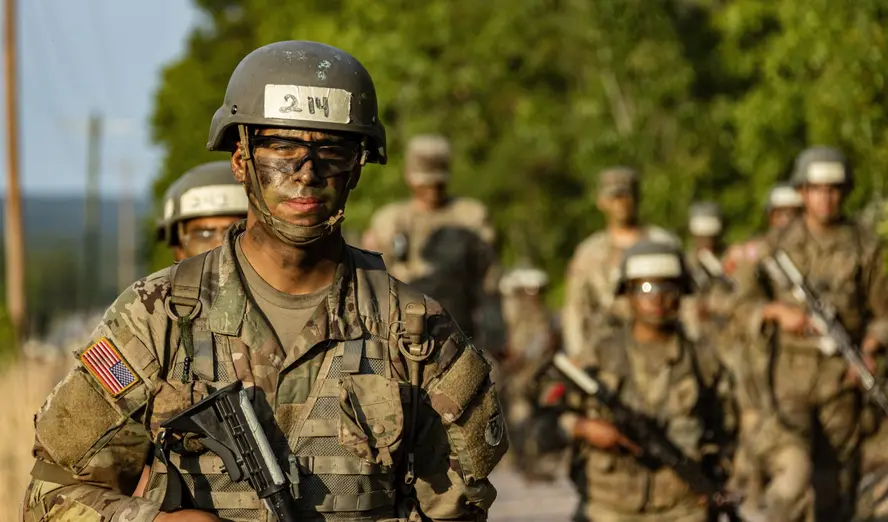
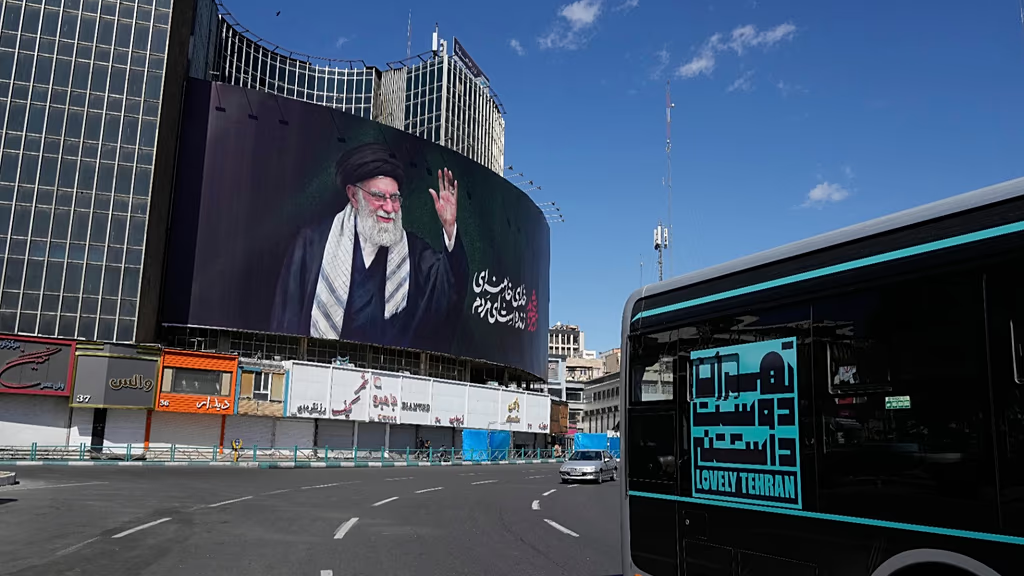
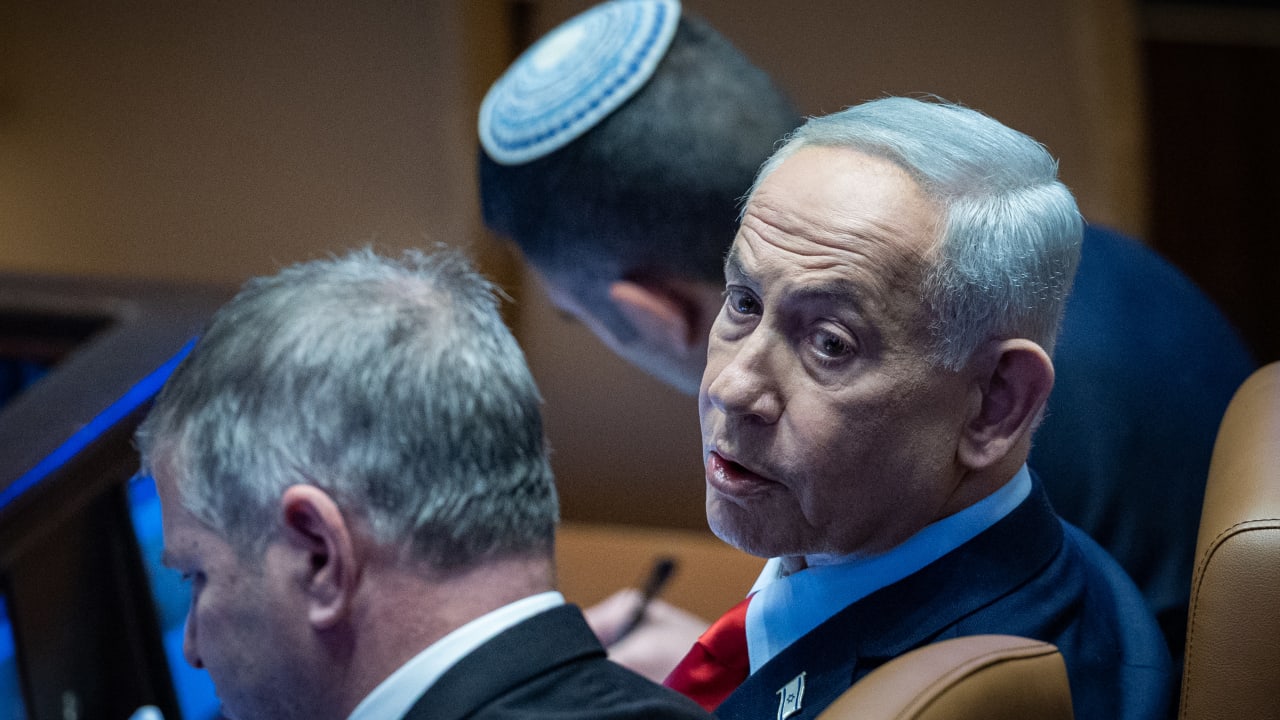
In a rapidly evolving global landscape, the North Atlantic Treaty Organization (NATO) stands at a critical crossroads. Once defined by its Cold War mission of countering Soviet power, the alliance now faces an increasingly multipolar world one shaped by rising powers, regional conflicts, cyber threats, and the complexities of modern warfare.
The question is no longer whether NATO can defend its members, but whether it can maintain unity and purpose in a world where global priorities are diverging.
The Challenge of Multipolarity
The rise of China, the resurgence of Russia, and the growing influence of regional actors like India, Turkey, and Brazil are reshaping the global balance of power. In this multipolar world, traditional Western dominance is being challenged not just militarily, but economically and ideologically.
While NATO remains the world’s most powerful military alliance, maintaining cohesion among 30-plus member states each with distinct political interests has become increasingly difficult.
From defense spending debates to differing approaches toward Ukraine and the Indo-Pacific, internal tensions are testing NATO’s solidarity like never before.
Adapting NATO’s Strategy for the Future
The alliance’s ability to evolve will determine its relevance in the decades ahead. The NATO 2030 agenda emphasizes innovation, resilience, and strategic flexibility. But to remain credible, NATO must expand beyond traditional deterrence models and focus on emerging domains such as cyber defense, artificial intelligence, and energy security.
The alliance is also navigating a renewed emphasis on collective defense, reaffirmed by Article 5, while simultaneously preparing for unconventional threats from disinformation campaigns to climate-induced instability.
Balancing Global Defense Alliances
NATO’s role extends beyond the Atlantic. Its relationships with partners in the Indo-Pacific including Japan, South Korea, and Australia — underscore the importance of global defense alliances in maintaining stability.
However, this broader engagement risks overstretching NATO’s mission and diluting its transatlantic focus. Balancing these new partnerships with its core European commitments will be key to maintaining credibility and preventing fragmentation within the alliance.
The U.S. and Europe: A Partnership in Transition
The United States continues to serve as NATO’s backbone, contributing the largest share of funding and military capabilities. Yet, growing political polarization in Washington and the possibility of future isolationist policies raise questions about America’s long-term commitment.
Europe, meanwhile, faces pressure to increase defense spending and assume greater responsibility for its own security. The European Union’s push for “strategic autonomy” while pragmatic risks creating friction with NATO’s integrated command structure.
This evolving dynamic could redefine what NATO’s strategy means for the 21st century: a shift from dependency to shared leadership.
Emerging Threats and Modern Warfare
Beyond geopolitics, NATO must confront a host of non-traditional challenges. Cyberattacks, misinformation, and space militarization are becoming defining features of global conflict.
These threats do not respect borders or alliances, making multinational coordination more critical than ever. NATO’s strength will lie in its ability to anticipate not just react to these evolving dangers.
Conclusion
As 2025 unfolds, NATO finds itself at a turning point. The alliance must adapt to the realities of a multipolar world while reaffirming its founding principles of unity and collective defense.
The future of NATO will depend not only on military might but also on political will the ability of its members to stand together in a world where global alliances are shifting faster than ever before.
If the alliance succeeds, it won’t just survive the next era of international competition it will help shape it.