The global nuclear order is undergoing one of its most profound transformations since the Cold War. What was once a bipolar standoff has evolved into a complex, multipolar landscape involving multiple nuclear-armed states with competing interests. In this shifting environment, maintaining nuclear stability has become more challenging and more critical than ever before.
At the center of this evolving balance stands the United States, whose decisions continue to influence global security dynamics.
From Bipolar to Multipolar Nuclear Reality
During the Cold War, nuclear deterrence revolved primarily around two superpowers. Today, the landscape includes multiple actors with diverse doctrines, capabilities, and regional ambitions.
Key changes include:
-
The rise of new nuclear powers
-
Modernization of existing nuclear arsenals
-
Regional rivalries with global implications
-
Increased risk of miscalculation and escalation
This complexity makes nuclear stability harder to manage than in the past.
Why Nuclear Stability Matters More Than Ever
Nuclear stability is not just about preventing war it is about preventing accidents, misinterpretations, and unintended escalation.
Without stability:
-
Crisis response times shrink
-
Communication failures become more dangerous
-
Deterrence becomes less predictable
-
Regional conflicts risk global consequences
In a multipolar world, even small missteps can carry catastrophic risks.
The Role of the United States
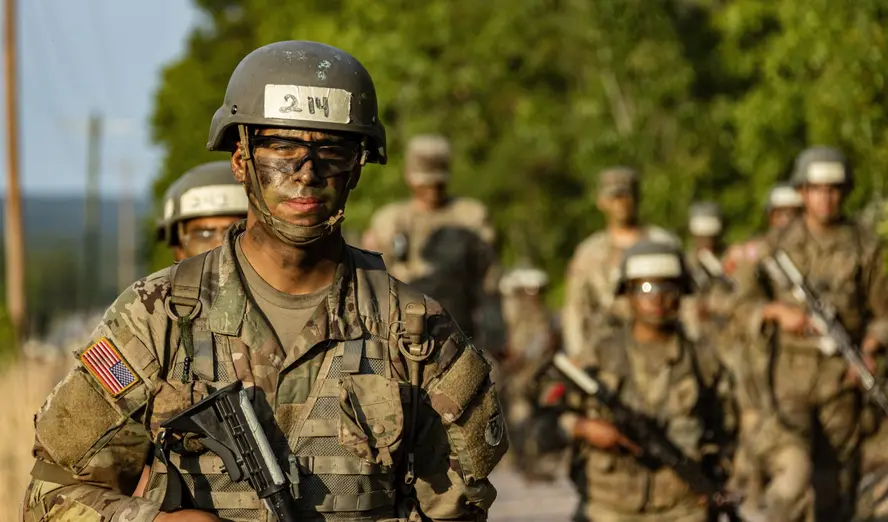
The USA remains a cornerstone of the global nuclear framework. Through alliances, deterrence commitments, and arms control efforts, US strategic leadership continues to shape nuclear norms and expectations.
Key responsibilities include:
-
Maintaining credible deterrence
-
Supporting allies under nuclear umbrellas
-
Leading arms control and nonproliferation efforts
-
Investing in secure and modern command systems
American policy choices often set the tone for global nuclear behavior.
Arms Control in a Changing World
Traditional arms control agreements were designed for a bipolar era. Today, they face new challenges.
Major issues include:
-
Lack of multilateral nuclear agreements
-
Verification difficulties with emerging technologies
-
Erosion of trust among major powers
-
Differing security priorities across regions
Renewed US strategic leadership could help modernize arms control frameworks to reflect multipolar realities.
Technology and New Nuclear Risks
Emerging technologies are reshaping nuclear deterrence.
Key developments include:
-
Hypersonic weapons reducing response times
-
Cyber threats to nuclear command systems
-
AI-assisted military decision-making
-
Space-based surveillance and countermeasures
These advancements complicate efforts to preserve nuclear stability.
Alliances and Extended Deterrence
U.S. alliances play a critical role in preventing nuclear proliferation.
By providing security guarantees, the USA helps:
-
Discourage allies from developing their own nuclear weapons
-
Strengthen collective deterrence
-
Maintain regional balance of power
Effective US strategic leadership reinforces trust and reduces incentives for nuclear expansion.
The Road Ahead
The future of nuclear stability will depend on cooperation, restraint, and adaptation. In a multipolar world, unilateral approaches are less effective, and dialogue becomes essential.
Success will require:
-
Updated arms control initiatives
-
Crisis communication mechanisms
-
Responsible nuclear modernization
-
Global commitment to risk reduction
The USA’s role in shaping these efforts remains indispensable.
Final Thoughts
The multipolar nuclear era presents unprecedented challenges but also opportunities. With thoughtful policy and renewed US strategic leadership, the world can strengthen nuclear stability even amid rising competition.
The stakes could not be higher. The choices made today will determine whether nuclear weapons remain tools of deterrence or become catalysts for global catastrophe.