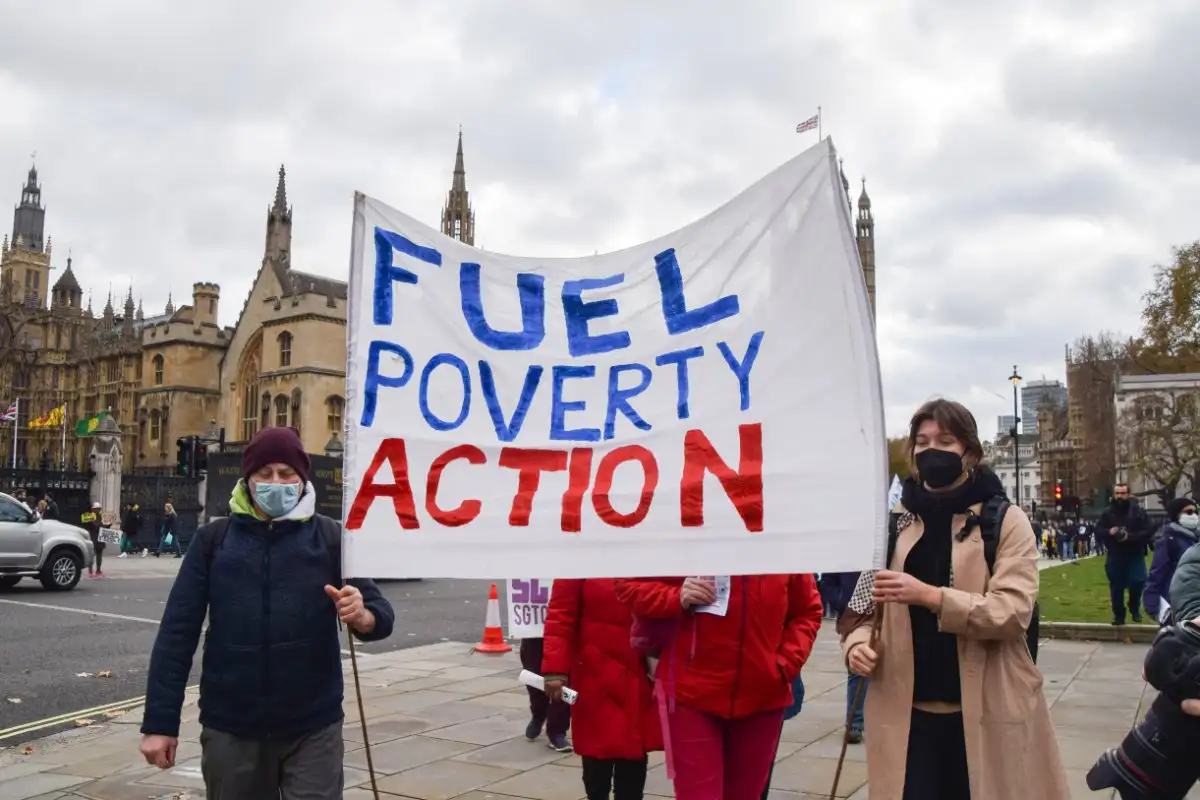
Energy bills influence daily life, household stability, and business confidence across Britain. When prices rise sharply, families feel pressure and politicians face public demands for action. Governments therefore step into the energy market to limit sudden shocks and protect consumers.
Debates around the UK energy price cap reveal how economics and politics closely connect in modern Britain.
What Are Energy Price Controls?
Energy price controls set limits on how much suppliers can charge customers. In the United Kingdom, regulators adjust these limits based on wholesale energy costs, supply conditions, and market trends.
The national regulator Ofgem reviews price levels several times a year. It calculates fair rates and announces new caps that suppliers must follow.
As a result, the energy price controls UK system aims to balance affordability and market stability.
Why Politics Plays a Big Role
Energy policy shapes elections because it affects nearly every voter. When bills surge, opposition parties criticize the government. Meanwhile, leaders defend policies by pointing to global fuel markets and supply challenges.
Members of UK Parliament frequently debate how strict controls should remain. Some argue strong caps protect households. Others warn that heavy limits discourage investment.
Therefore, the UK energy price cap often becomes a political tool as well as an economic safeguard.
Government Priorities and Strategy
Recent governments, including those led by Rishi Sunak, have tried to manage both inflation and energy security. Leaders must:
-
Protect vulnerable households
-
Encourage supplier competition
-
Support renewable energy growth
-
Maintain investor confidence
Because of these competing goals, energy price controls UK require constant adjustment.
Benefits for Consumers
Price caps can:
Prevent extreme bill spikes
Improve budgeting certainty
Protect low-income families
Stabilize the retail energy market
Consequently, many households welcome the UK energy price cap during volatile periods.
Criticism and Concerns
Critics highlight several risks:
-
Suppliers may struggle financially
-
Market competition can weaken
-
Innovation investment may slow
-
Long-term prices could rise
For this reason, experts stress that energy price controls UK must stay flexible and data-driven.
The Global Context
Energy prices depend on global supply chains, geopolitical tensions, and fuel availability. Events outside Britain often drive domestic costs.
Thus, even a strong UK energy price cap cannot fully isolate consumers from international shocks.
What the Future May Hold
The future likely brings smarter pricing systems, renewable expansion, and targeted support for vulnerable groups. Policymakers increasingly link price controls with clean-energy goals.
If Britain expands renewables and storage, dependence on volatile imports may fall. That shift could reduce pressure on energy price controls UK over time.
Final Thoughts
Energy pricing remains both an economic and political challenge. Governments must protect citizens while keeping markets healthy. The debate around the UK energy price cap shows how policy decisions shape everyday life.
As energy transitions continue, political choices will keep influencing what households pay. Staying informed helps citizens understand where their money goes and why policies change.