Space exploration has long been a symbol of innovation, ambition, and national pride in the United States. From the Apollo missions to modern-day Mars exploration initiatives, government funding has played a critical role in advancing humanity’s reach beyond Earth. However, behind every mission lies a complex web of political decision-making.
In recent years, debates surrounding space budgets have intensified, with policymakers balancing competing priorities such as defense, healthcare, infrastructure, and scientific research. At the heart of these discussions are two key drivers: NASA funding and space policy. These factors shape not only the direction of exploration but also the broader vision of the United States in space.
Why Space Exploration Funding Is a Political Issue
Space exploration is not just a scientific endeavor—it is a strategic and economic investment. Decisions about funding are made through federal budget allocations, which are influenced by political ideologies, economic conditions, and national priorities.
Lawmakers must weigh questions such as:
- How much should the government invest in space programs?
- Should public funds prioritize space exploration over domestic needs?
- What role should private companies play in advancing space missions?
These questions often lead to disagreements between political parties and stakeholders, making space funding a recurring topic in national policy debates.
The Role of NASA Funding
One of the central elements of U.S. space exploration is NASA funding. As the primary government agency responsible for civilian space programs, NASA relies on congressional appropriations to carry out its missions.
NASA funding supports:
- Planetary exploration missions (Mars rovers, lunar programs)
- Earth science research and climate monitoring
- Space telescope projects
- Human spaceflight programs
- International collaborations such as the International Space Station
However, NASA’s budget is often a point of contention. Some policymakers advocate for increased funding to expand exploration, while others argue for budget constraints and prioritization of other national needs.
Space Policy and Strategic Priorities
Alongside funding, space policy plays a crucial role in determining the direction of U.S. space exploration. Space policy outlines national goals, regulatory frameworks, and international cooperation strategies.
Key aspects of U.S. space policy include:
- Long-term goals such as returning to the Moon and sending humans to Mars
- Regulations governing commercial space activities
- National security considerations in space
- Collaboration with international partners
- Encouragement of private sector innovation
Space policy reflects both scientific ambitions and geopolitical considerations, making it a key component of national strategy.
The Rise of Private Space Companies
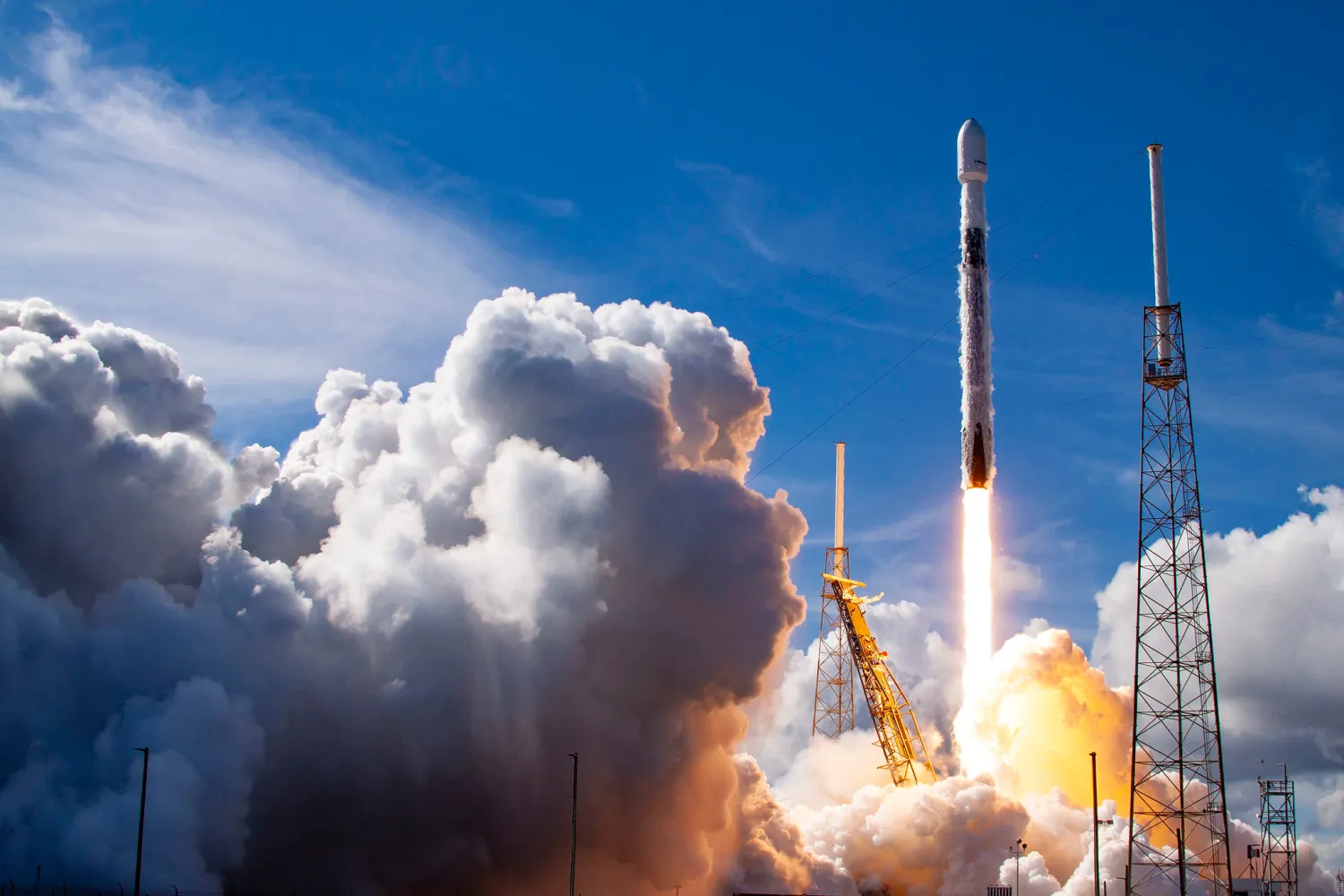
In recent decades, private companies have become major players in space exploration. Firms like SpaceX, Blue Origin, and others are transforming how missions are designed and executed.
The involvement of private industry has introduced new dynamics:
- Reduced launch costs through innovation
- Public-private partnerships with NASA
- Increased competition and efficiency
- Expansion of commercial space markets
While some policymakers support private-sector involvement as a way to reduce government burden, others raise concerns about regulation, accountability, and national interests.
Budget Trade-Offs and Competing Priorities
Space exploration funding must compete with other federal spending priorities. Policymakers often face difficult trade-offs when allocating limited resources across sectors such as:
- Defense and national security
- Healthcare programs
- Education funding
- Infrastructure development
These competing demands influence how much funding is allocated to NASA and broader space initiatives. As a result, space budgets can fluctuate based on economic conditions and political leadership.
Political Divides and Public Opinion
Public opinion plays a significant role in shaping space policy. While space exploration is often popular among citizens, there is debate over how much taxpayer money should be invested in it.
Political divides may emerge over:
- The scale and pace of space missions
- The balance between exploration and practical applications
- The role of government versus private industry
- The prioritization of space funding relative to domestic issues
Elected officials often reflect these views when making budgetary decisions, leading to shifts in policy direction over time.
International Competition and Cooperation
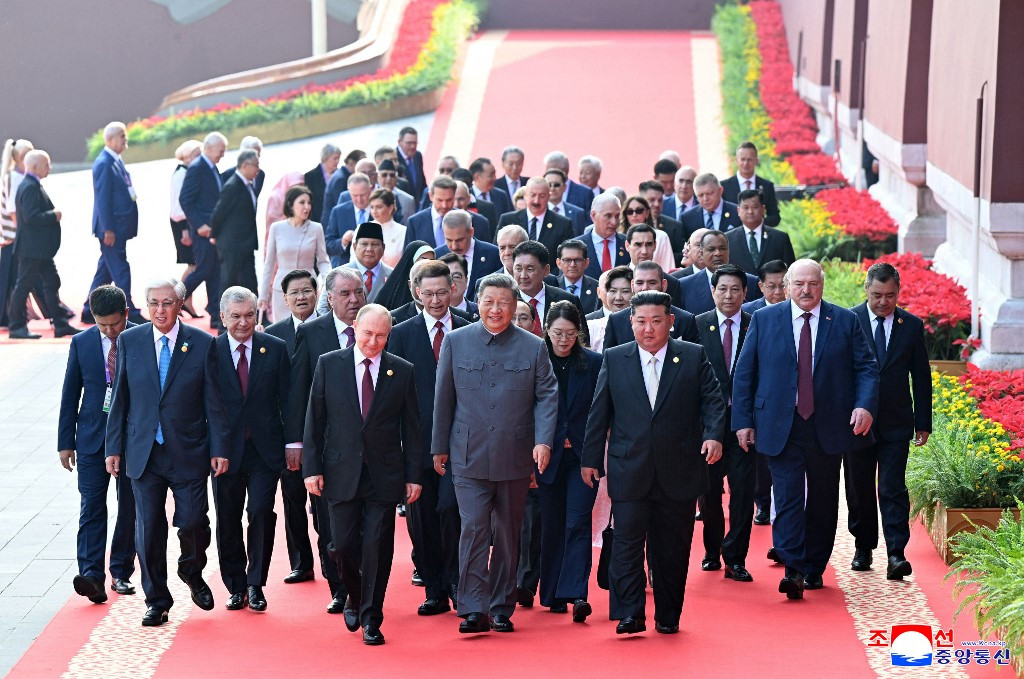
Space exploration is also influenced by global competition and collaboration. Countries like China and Russia are investing heavily in their own space programs, prompting the U.S. to maintain its leadership position.
At the same time, international partnerships remain essential for missions such as the International Space Station and future lunar exploration efforts. Space policy must therefore balance cooperation with strategic competition.
The Future of Space Exploration Funding
Looking ahead, several trends are likely to shape the politics of space funding:
- Increased reliance on commercial partnerships
- Greater focus on lunar bases and Mars missions
- Expansion of space tourism and commercial markets
- Integration of space technologies into everyday life
- Continued debates over federal budget allocations
As technology advances and ambitions grow, the conversation around space funding will remain a key aspect of U.S. policy discussions.
Conclusion
The politics of space exploration funding in the United States reflects a complex interplay between science, economics, and governance. Decisions surrounding NASA funding and space policy are not just about exploration—they represent national priorities, strategic interests, and visions for the future.
As the U.S. continues to expand its presence in space, policymakers will need to navigate competing demands while fostering innovation, collaboration, and sustainable investment in space exploration.