Behind smartphones, electric vehicles, renewable energy systems, and military technology lies an invisible battle shaping the future of global power. At the center of this struggle are rare earth minerals a group of critical elements that modern civilization cannot function without.
As demand surges, nations are racing to secure supply, turning geology into geopolitics and resources into strategic weapons.
What Are Rare Earth Minerals and Why Do They Matter?
Rare earth minerals include 17 elements used in:
-
Electric vehicle batteries
-
Wind turbines and solar panels
-
Smartphones and electronics
-
Advanced weapons systems
-
Medical imaging technologies
Despite their name, they are not truly rare but they are difficult, expensive, and environmentally damaging to extract and refine.
Why This Is Becoming a Global Conflict
Control over rare earth minerals is now a national security issue.
Countries are competing because:
-
Supply chains are highly concentrated
-
Demand is rising exponentially
-
Clean energy transitions depend on them
-
Military superiority relies on advanced materials
This competition has transformed mineral access into a strategic priority.
China’s Dominance and Global Dependence
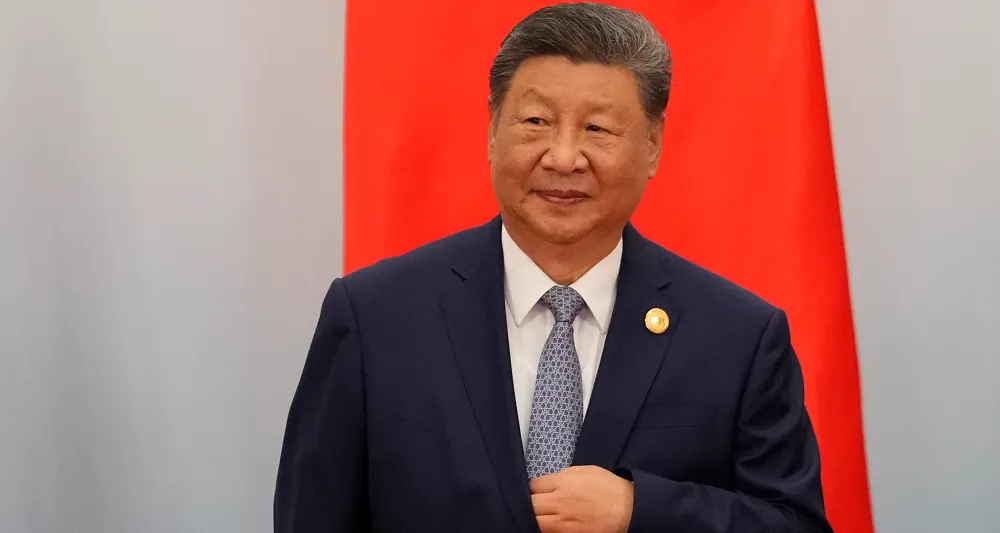
China currently controls a significant share of global rare earth mining and refining capacity.
This dominance allows Beijing to:
-
Influence global prices
-
Leverage exports for political power
-
Shape technological competition
As a result, other nations are scrambling to reduce dependence and strengthen global supply chain security.
The Strategic Response from Other Nations
Governments worldwide are responding by:
-
Investing in domestic mining operations
-
Securing mineral access through foreign partnerships
-
Stockpiling critical resources
-
Funding alternative material research
The U.S., EU, Japan, and Australia are all racing to diversify supply before shortages escalate.
Environmental and Ethical Challenges
Mining rare earth minerals comes at a cost:
-
Toxic waste pollution
-
Water contamination
-
Community displacement
-
Weak labor protections in some regions
Balancing environmental responsibility with national security remains one of the biggest challenges in the race.
Technology, Defense, and the Future Battlefield
Rare earth minerals are essential for:
-
Precision-guided weapons
-
Radar and sonar systems
-
Satellites and space technology
-
Cyber and electronic warfare tools
This makes global supply chain security a cornerstone of modern defense strategy.
The Risk of Resource Nationalism
As competition grows, so does the risk of:
-
Trade restrictions
-
Export bans
-
Resource-driven diplomatic conflicts
-
New forms of economic warfare
Minerals are quickly becoming the oil of the 21st century.
Can Recycling and Innovation Reduce Tensions?
Some experts see hope in:
-
Rare earth recycling programs
-
Breakthroughs in material science
-
Reduced dependency through innovation
However, these solutions take time and global demand is accelerating faster than alternatives can scale.
What the Future Holds
The race for rare earth minerals will shape:
-
Energy transitions
-
Global trade alliances
-
Military balance
-
Economic leadership
Nations that secure sustainable access will hold a decisive advantage in the decades ahead.
Final Thoughts
This is no longer just a story about mining it’s a story about power, security, and survival in a technology-driven world. As competition intensifies, global supply chain security will define which nations lead and which fall behind.
The next global conflict may not be fought over territory but over the elements beneath our feet.