The political landscape in the United States today is at a critical juncture. Complex challenges from institutional trust to civic division are playing out across federal, state and local levels. In this atmosphere, the notions of good politics and dirty politics become especially meaningful. By looking at recent developments, we can better understand where America stands and where it may be heading.
What we mean by good politics and dirty politics
-
Good politics refers to behavior, strategies and policies that build democratic health: transparent governance, accountable leadership, inclusive debate, policy-making for the public interest.
-
Dirty politics describes tactics that undermine democratic norms: manipulation of institutions, opportunistic power grabs, erosion of civil liberties, strategic disregard for impartial processes.
These are not absolutes but points on a spectrum. Many actors engage in a mix of both, and what one side views as good politics the other may perceive differently. Recognizing this duality is key to assessing the current U.S. situation.
Recent Context in the U.S.
Signs of institutional strain
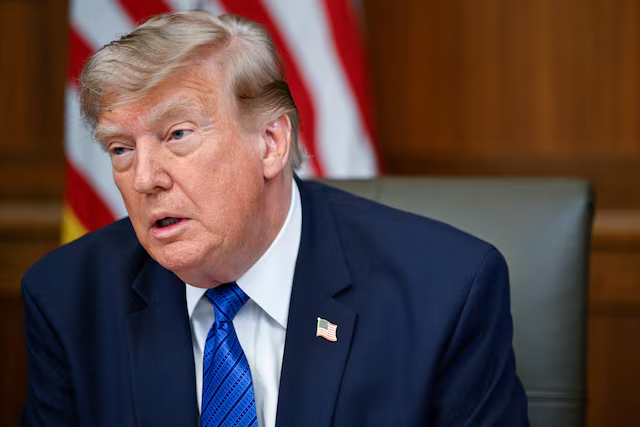
Analysts have noted that under the second term of Donald Trump, the U.S. is showing “clear signs” of following a path of democratic erosion. For example:
-
Attacks on judges or independent agencies, and accusations of politicising federal institutions.
-
A government shutdown beginning October 1 2025 after funding bills failed in the Senate, jeopardising services and worker pay.
These developments suggest more than routine politics; they point to deeper structural concerns about how power is exercised and constrained.
The activism response
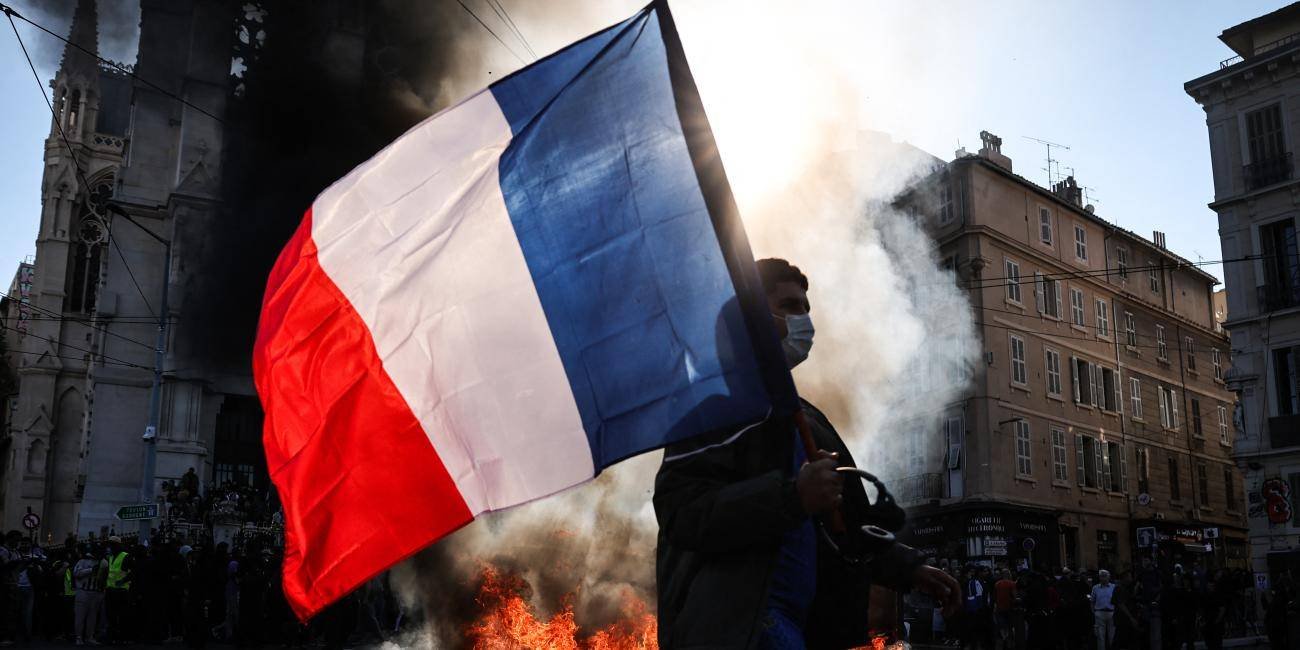
At the same time, there is an uprising of civic energy: nationwide protests, activism and public watchdog efforts. For example, the “No Kings protests” on October 18 saw millions across the U.S. demonstrate against perceived authoritarianism and government overreach.
This dynamic reflects a tension: forces pushing for reform, transparency and accountability (elements of good politics) are confronting forces that critics say are consolidating power and subverting checks (elements of dirty politics).
Examples of good politics in action
-
Public opposition and protest to government overreach: Citizens organizing, voting, speaking out. This helps preserve democratic checks and engages the public.
-
Efforts to defend press freedom, independent judiciary, rule-of-law norms. When policymakers respect these institutions, it’s part of healthy governance.
-
Transparent negotiation and compromise: For example, when Congress or state governments engage in open debate, allow amendments and compromise rather than unilateral decisions.
These practices foster trust, legitimacy and stability. They represent the kind of politics that helps a democracy endure.
Examples of dirty politics taking hold
-
The blueprint known as Project 2025 is cited as a playbook for sweeping executive power, bypassing traditional checks and balances.
-
The shutdown in 2025 illustrates how partisan brinkmanship and institutional stalemate can erode service delivery and public trust.
-
Concentration of power through politicized appointments, sidelining of dissenting voices, and threats to civil liberties. Analysts warn that the U.S. may be on a trajectory toward “competitive authoritarianism”.
These elements cover the other side of the spectrum: when political actors prioritise power consolidation over democratic process, when institutions are weakened, when governance becomes more unilateral and less accountable.
Why this matters
The stakes are high. If good politics prevails, the result can be strengthened democracy, better policy outcomes, more inclusive governance. If dirty politics dominates, the risks include degraded institutions, reduced public trust, policy capture by narrow interests, and social fragmentation.
We’re not just talking about ideological battles; we’re talking about the shape of future governance: Will public institutions serve the public or be used primarily for partisan advantage? The answer affects everything from economic policy, civil rights, national security, to global standing.
Looking ahead: What to watch for
-
Institutional resilience: Will courts, Congress, bureaucracies hold up against pressure, or will they become instruments of the governing party?
-
Public trust: As divisions grow, do citizens still believe in democratic processes? Will turnout, engagement, civil society thrive or decline?
-
Policy vs. power: Are policies being crafted for public benefit, or primarily as tools of political advantage?
-
Transparency and accountability: Are decision-makers providing information, allowing oversight, and protecting dissent?
-
Contentious tactics: Will brinkmanship, shutdowns, constitutional ambiguity and populist rhetoric become the norm? Or will compromise, dialogue and reform regain priority?
Conclusion
The current political situation in the United States is characterised by the clash between good politics and dirty politics. On one hand, there is a push to safeguard democratic norms, promote transparency and engage citizens. On the other, there is a rising concern that power is being concentrated, institutional guardrails weakened, and the rules of governance bent for partisan ends.
For observers, citizens and stakeholders, the key question is not simply who wins one election or the next, but how the fabric of democratic governance holds up. Whether the U.S. embraces good politics or slides further into dirty politics will have consequences not only for the next few years, but for decades to come.