The withdrawal of U.S. forces from Afghanistan in 2021 reshaped global politics and triggered one of the most urgent humanitarian discussions in recent history. America’s Big Decision for Afghan Citizens centers on how the United States responds to those who supported American missions and now seek safety, stability, and opportunity.
This decision is not just about immigration numbers. It involves national security, moral responsibility, refugee policy, and America’s global credibility.
The Background: A Turning Point in 2021
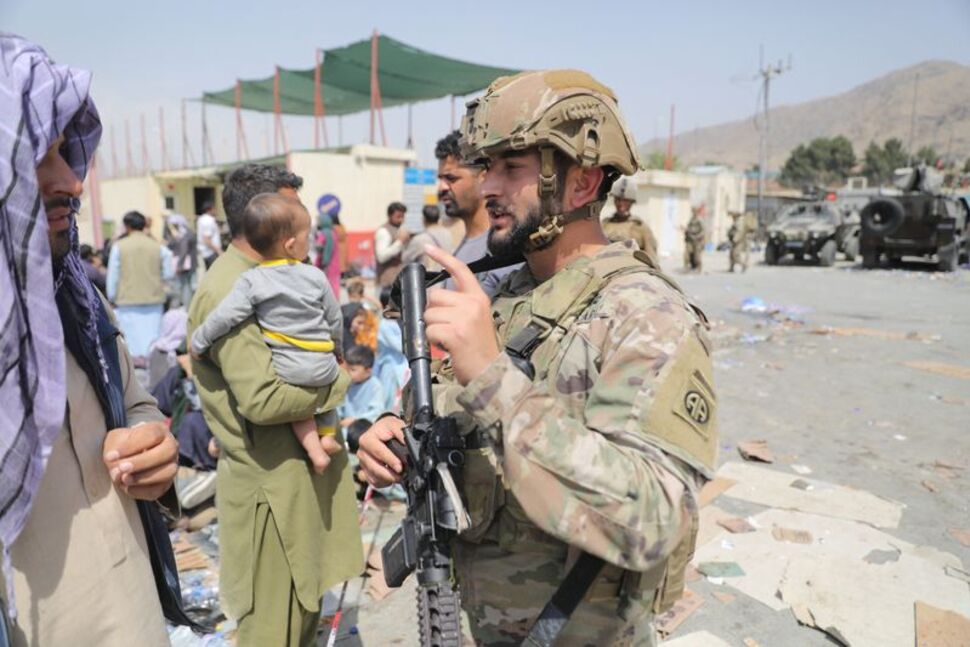
When the United States completed its military withdrawal from Afghanistan, the political landscape changed overnight. The rapid takeover by the Taliban created fear and uncertainty, particularly for Afghan interpreters, civil servants, journalists, and women activists who had worked alongside U.S. forces.
The U.S. government faced immediate pressure to evacuate and resettle vulnerable populations. This marked the beginning of a long-term policy debate still unfolding today.
Humanitarian Responsibility and Moral Debate
At the heart of America’s Big Decision for Afghan Citizens lies a moral question: What obligation does the United States have toward those who risked their lives supporting American operations?
Advocates argue that protecting Afghan allies reflects American values and strengthens global trust. Critics raise concerns about immigration capacity, security vetting, and economic integration.
Balancing compassion with national interest remains a complex political task.
The Role of Refugee Policy
A central element of this debate involves refugee policy. Programs like the Special Immigrant Visa (SIV) system were designed to provide legal pathways for Afghans who assisted U.S. efforts.
However, processing delays, bureaucratic challenges, and documentation requirements have slowed progress. Policymakers continue working to improve efficiency while maintaining national security standards.
Key considerations include:
-
Speed of application review
-
Background checks
-
Housing and community placement
-
Employment support programs
The success of refugee resettlement depends heavily on coordination between federal agencies, state governments, and nonprofit organizations.
Humanitarian Aid and Global Partnerships
Beyond resettlement, humanitarian aid remains a critical part of America’s strategy. Economic instability and food insecurity in Afghanistan have increased reliance on international assistance.
Agencies like the United Nations and the U.S. Department of State continue to support relief programs focused on:
-
Food distribution
-
Healthcare access
-
Education for women and girls
-
Emergency shelter
Humanitarian assistance helps stabilize vulnerable communities while diplomatic solutions evolve.
Domestic Political Implications
Immigration and foreign policy often shape U.S. election debates. Decisions affecting Afghan resettlement influence:
-
Public opinion
-
Congressional negotiations
-
Budget allocations
-
Border policy discussions
Some lawmakers emphasize expanding protections, while others advocate stricter oversight.
America’s Big Decision for Afghan Citizens therefore carries long-term political consequences that extend far beyond foreign policy.
Integration Challenges and Opportunities
Resettlement is only the first step. Integration into American society presents additional hurdles:
-
Language barriers
-
Employment certification
-
Cultural adaptation
-
Mental health support
Yet history shows that refugee communities often contribute significantly to economic growth and entrepreneurship. Afghan-Americans have already established businesses, educational programs, and civic organizations across the country.
Global Image and Diplomatic Credibility
America’s response to Afghan citizens also affects its international reputation. Allies worldwide observe how the United States treats those who supported its missions.
Strong refugee policy and humanitarian aid efforts reinforce global partnerships and demonstrate reliability. Conversely, perceived neglect could weaken diplomatic trust.
Foreign policy credibility often depends on follow-through.
The Digital Conversation Around Policy
Public discussion about Afghan resettlement unfolds largely online. News outlets, advocacy groups, and policymakers use digital platforms to shape narratives and inform communities.
For publishers covering America’s Big Decision for Afghan Citizens, leveraging content repurposing automated social media tools can significantly increase reach. Transforming long-form analysis into short policy explainers, infographics, and discussion threads helps expand engagement.
Strategic digital distribution ensures that important humanitarian topics reach broader audiences and drive meaningful website traffic.
What the Future Holds
The long-term outcome of this policy debate will depend on:
-
Legislative action
-
Administrative efficiency
-
Funding commitments
-
Bipartisan cooperation
America’s approach may evolve with changing administrations, but the underlying humanitarian challenge remains.
Ultimately, America’s Big Decision for Afghan Citizens represents more than a political choice it reflects the nation’s values, priorities, and role on the global stage.
Final Thoughts
The question of how the United States supports Afghan citizens is deeply complex. It touches on immigration systems, foreign policy credibility, and humanitarian responsibility.
As discussions continue, informed dialogue is essential. For digital publishers, combining policy analysis with content repurposing automated social media tools ensures broader visibility and sustained traffic growth.
Policy decisions shape lives and how we communicate them shapes public understanding.