Tensions in East Asia continue to shape global headlines as diplomatic signals, military exercises, and strategic statements draw worldwide attention. Recent U.S. support for Taiwan has intensified debates about sovereignty, regional stability, and international law.
In response, China has reaffirmed its long-standing position regarding Taiwan, emphasizing territorial integrity and national unity.
Understanding China’s Position
China views Taiwan as part of its sovereign territory under the “One China” principle. Officials in Beijing maintain that reunification remains a national objective.
Chinese leadership under Xi Jinping has repeatedly stated that foreign involvement complicates cross-strait relations. From Beijing’s perspective, expanded U.S. support for Taiwan represents interference in internal affairs.
As a result, China Taiwan tensions have risen in both diplomatic language and military posture.
What Triggered the Latest Developments?
Recent policy actions from United States include:
-
Expanded defense cooperation
-
Arms sales approvals
-
High-level diplomatic engagement
-
Strategic security commitments
Washington frames these steps as measures to preserve regional stability. However, Beijing interprets them as challenges to its sovereignty claims.
This difference in interpretation fuels ongoing China Taiwan tensions.
Military and Strategic Signals
In response to recent developments, China has conducted military drills near the Taiwan Strait. These exercises serve both as strategic signaling and as preparation demonstrations.
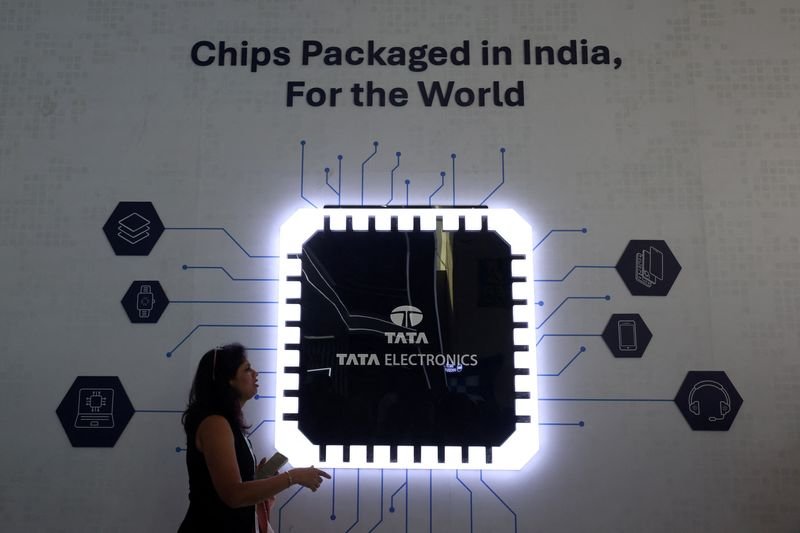
At the same time, global markets watch carefully. The Taiwan Strait plays a key role in international shipping and semiconductor supply chains.
Therefore, any escalation in China Taiwan tensions carries global economic implications.
Taiwan’s Perspective
Taiwan’s leadership maintains its democratic governance and self-administration. Officials continue to strengthen security cooperation while emphasizing peaceful dialogue.
The balance remains delicate. Increased U.S. support for Taiwan strengthens deterrence but also raises diplomatic friction with Beijing.
Global Implications
The situation extends beyond regional politics. Key concerns include:
-
Indo-Pacific security balance
-
Global trade routes
-
Semiconductor production
-
Diplomatic alliances
Because of these factors, China Taiwan tensions now influence broader geopolitical strategy.
Is Conflict Inevitable?
Despite strong rhetoric, analysts note that economic interdependence between China and global partners remains significant. Diplomatic channels continue to operate, even during heightened tension.
While U.S. support for Taiwan signals commitment, it also requires careful management to prevent unintended escalation.
The future likely depends on strategic restraint, communication, and evolving political leadership.
Final Thoughts
China’s stance remains consistent: sovereignty and reunification are core priorities. Meanwhile, U.S. actions aim to maintain regional balance and deterrence.
The interplay between these positions keeps China Taiwan tensions at the center of global geopolitics.
As international dynamics shift, the Taiwan issue will remain one of the most closely watched developments in world affairs.