The Strait of Hormuz ship attacks in October 2026 are raising fresh concerns about the security of one of the world’s most important energy corridors. Commercial vessels face a difficult calculation: high freight rates and attractive cargo prices can create strong incentives to continue sailing, but attacks can put crews, ships and energy supplies at risk.
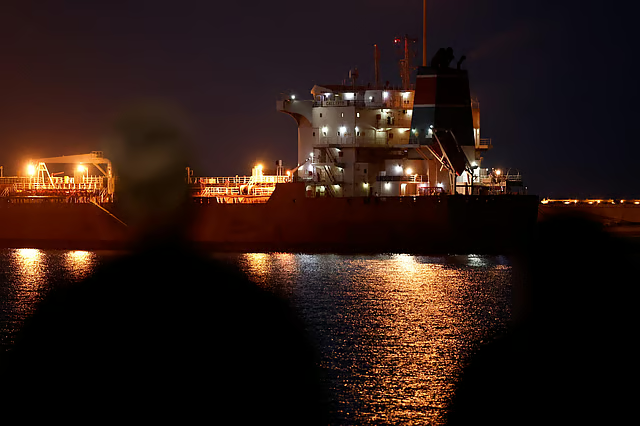
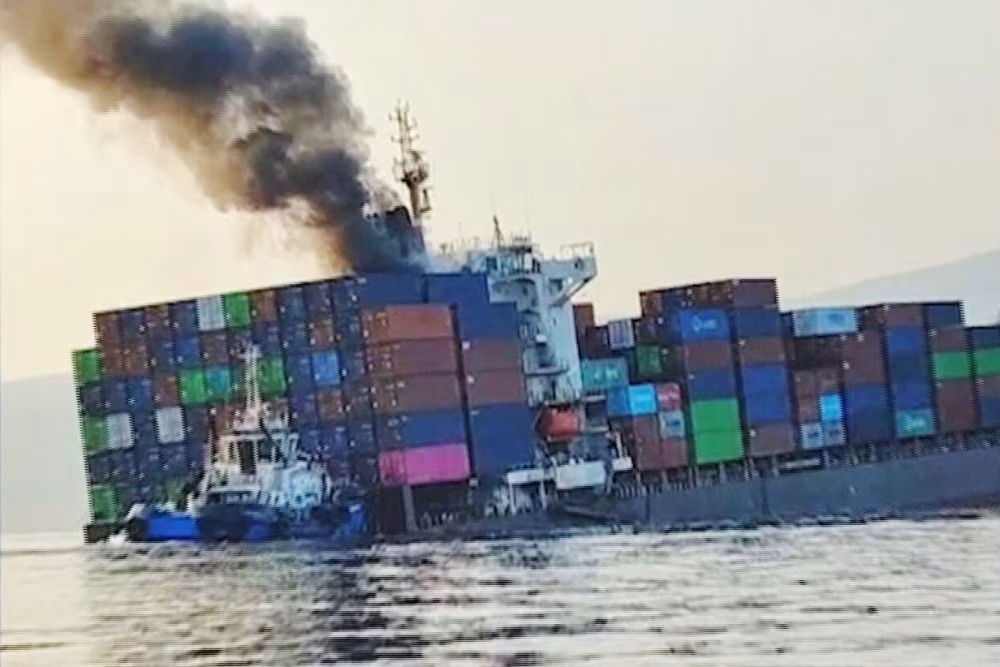
Reuters reported on October 23 that October had become the worst month on record for attacks on commercial shipping in the Strait of Hormuz and surrounding waterways, based on figures cited from regional monitoring and analysis. The report also described damage to very large crude carriers and warned that incomplete reporting could mean the full scale of incidents remains unclear.
Why the Strait Matters to Global Markets
The Strait of Hormuz connects the Persian Gulf with the Gulf of Oman and the wider ocean. Oil and other energy cargoes moving through the area serve buyers across Asia and beyond.
Disruption can affect more than the price of crude oil. It can also raise insurance premiums, freight charges, delivery times and the cost of securing alternative supplies.
Why Shipping Companies Face a Difficult Choice
Shipowners must consider vessel safety, crew welfare, insurance coverage and contractual obligations. High daily freight rates may compensate for some commercial risks, but they cannot eliminate the possibility of severe damage or loss of life.
A company’s decision can depend on the ship’s route, cargo, security assessment and available alternatives. Some operators may delay voyages or change plans when risk levels rise.
How Attacks Can Affect Consumers
If disruptions reduce the reliable movement of energy supplies, importers may pay more for fuel and transportation. Higher costs can then affect electricity generation, manufacturing and the delivery of everyday goods.
The final impact depends on the duration of disruption, global inventories, alternative supply routes and how quickly shipping activity recovers.
What to Watch Next
Important indicators include confirmed vessel incidents, maritime advisories, tanker movements, insurance costs and changes in crude prices.
The reported rise in attacks does not mean that every ship faces the same level of danger or that oil supplies must stop. However, it highlights how maritime security can quickly become an economic issue for countries far beyond the Gulf & global oil shipping risk 2026.
, , , , , , ,