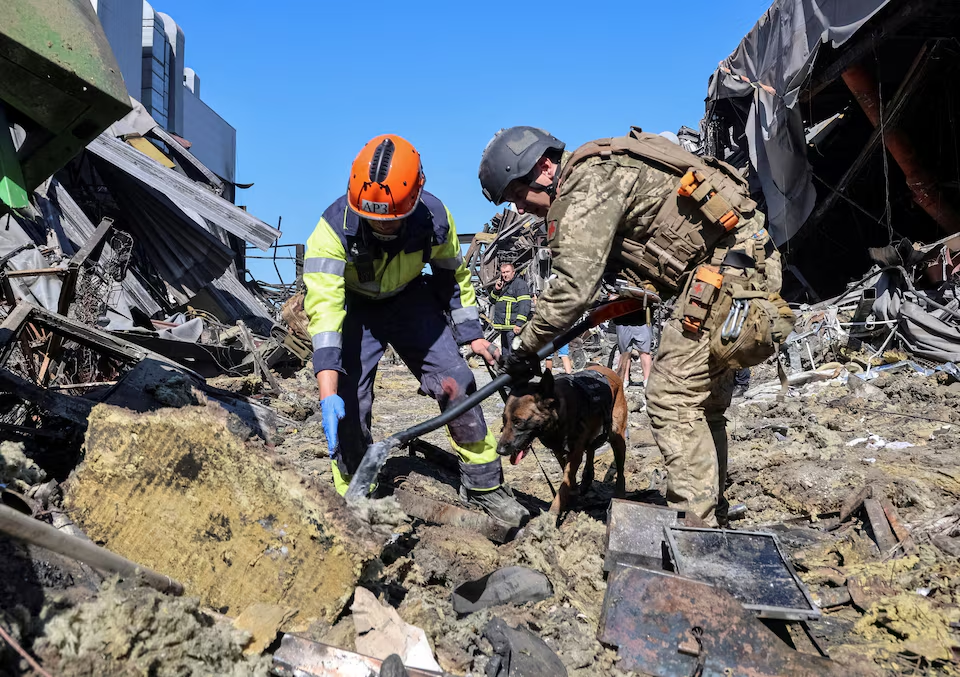
The Russia strikes on Ukraine in October 2026 have renewed concerns about civilian safety and the reliability of essential infrastructure as the war continues. Attacks on energy facilities can disrupt electricity supplies, complicate heating and water services, and place additional pressure on emergency crews.
The Council on Foreign Relations’ conflict tracker reported widespread Russian strikes on October 22 that killed people across several Ukrainian regions. Its October 23 update also described attacks on energy infrastructure that left more than half a million people without power across multiple areas. These reports illustrate how military operations can affect daily life far from the immediate front line.
Why Energy Infrastructure Matters
Electricity supports hospitals, communications, water systems, public transport and household heating. Damage to power facilities can therefore create problems that extend beyond a single outage.
Repair crews may face difficult conditions when strikes continue or when damaged equipment requires specialist parts. Repeated attacks can also make it harder to maintain stable supplies.
The Civilian Consequences
Power cuts can disrupt medical care, schooling, work and food storage. Households may need alternative heating or charging arrangements, while businesses can lose revenue when equipment stops operating.
The effects vary by location and by the speed of repairs. Backup generators and emergency systems can help, but they cannot always replace a functioning grid.
Can Diplomacy Reduce the Risk?
Negotiations sometimes produce limited agreements on humanitarian access, evacuation routes or temporary pauses in specific areas. However, such arrangements do not automatically stop attacks elsewhere.
A wider reduction in violence would require agreement on ceasefire terms, monitoring and how the parties handle alleged violations.
What to Watch Next
Residents and businesses will be watching restoration efforts, official air-raid warnings, infrastructure repair updates and any confirmed diplomatic steps.
The conflict’s impact cannot be measured only by territorial changes. The ability of civilians to access electricity, water, healthcare and safe shelter remains a central part of the humanitarian picture.
Continued reporting should distinguish confirmed damage and casualty figures from early estimates, which may change as authorities gather more information and Ukraine energy infrastructure attacks.