The reported Putin US envoy meeting in October 2026 has renewed attention on whether quiet diplomacy can help move the Russia–Ukraine war toward negotiations. Meetings between senior officials can create opportunities to exchange proposals, clarify demands and explore possible steps to reduce fighting. However, a diplomatic meeting does not necessarily mean that the parties have reached an agreement.
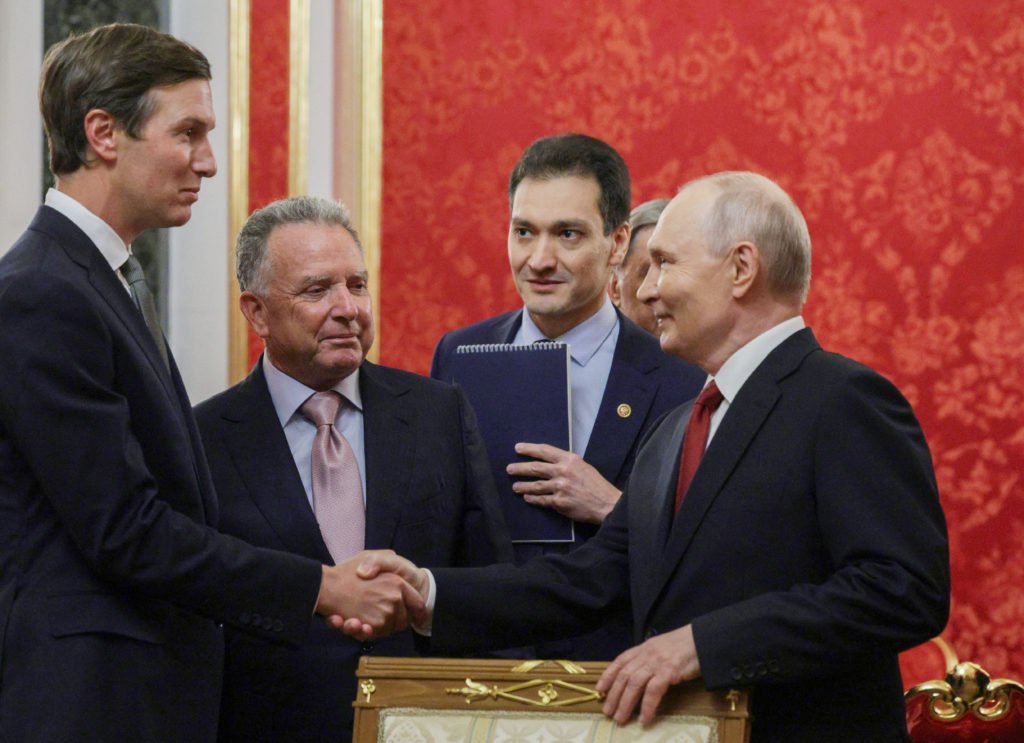
The Council on Foreign Relations’ October 21 conflict update reported that Russian President Vladimir Putin received US special envoy Steve Witkoff in St. Petersburg to discuss proposals related to ending the war. The wider conflict continued, underscoring the gap between diplomatic contact and a workable settlement.
Why Back-Channel Diplomacy Matters
Public statements often reflect political priorities and domestic audiences. Private meetings can give officials more room to test proposals without immediately committing their governments.
Diplomats may discuss ceasefire monitoring, humanitarian arrangements, prisoner exchanges or the conditions required for broader negotiations.
Even small agreements can matter when they reduce immediate risks or build communication between opponents. Still, progress depends on whether both sides see practical benefits in compromise.
The Hardest Issues to Resolve
Territory remains one of the central disputes. Ukraine seeks to protect its sovereignty, while Russia has pursued territorial demands that Kyiv rejects.
Security guarantees also matter. Ukraine wants confidence that a ceasefire would not simply allow Russia to prepare for another attack. Moscow has its own demands concerning Ukraine’s military and international relationships.
A lasting agreement would need to address these issues alongside enforcement, sanctions and the future status of occupied areas.
Why a Meeting Does Not Guarantee Peace
Negotiations can stall if the parties disagree on the basic terms or believe that continued fighting will improve their position.
A ceasefire also requires mechanisms to identify violations, communicate during emergencies and establish consequences for non-compliance.
Without credible monitoring and political commitment, an announcement may not produce lasting security.
What to Watch Next
The next signs of progress include official confirmation of proposals, further diplomatic meetings, humanitarian agreements and evidence that military operations are declining.
For now, contact between Washington and Moscow is a diplomatic channel rather than proof of an imminent settlement. The challenge is to turn discussion into commitments that both sides can accept and implement.