The IPCC report timeline dispute 2026 has become a major challenge for international climate cooperation. The world’s leading climate science body has failed to reach agreement on when to publish its next comprehensive assessment, raising concerns that governments could enter crucial climate negotiations without an updated scientific review.
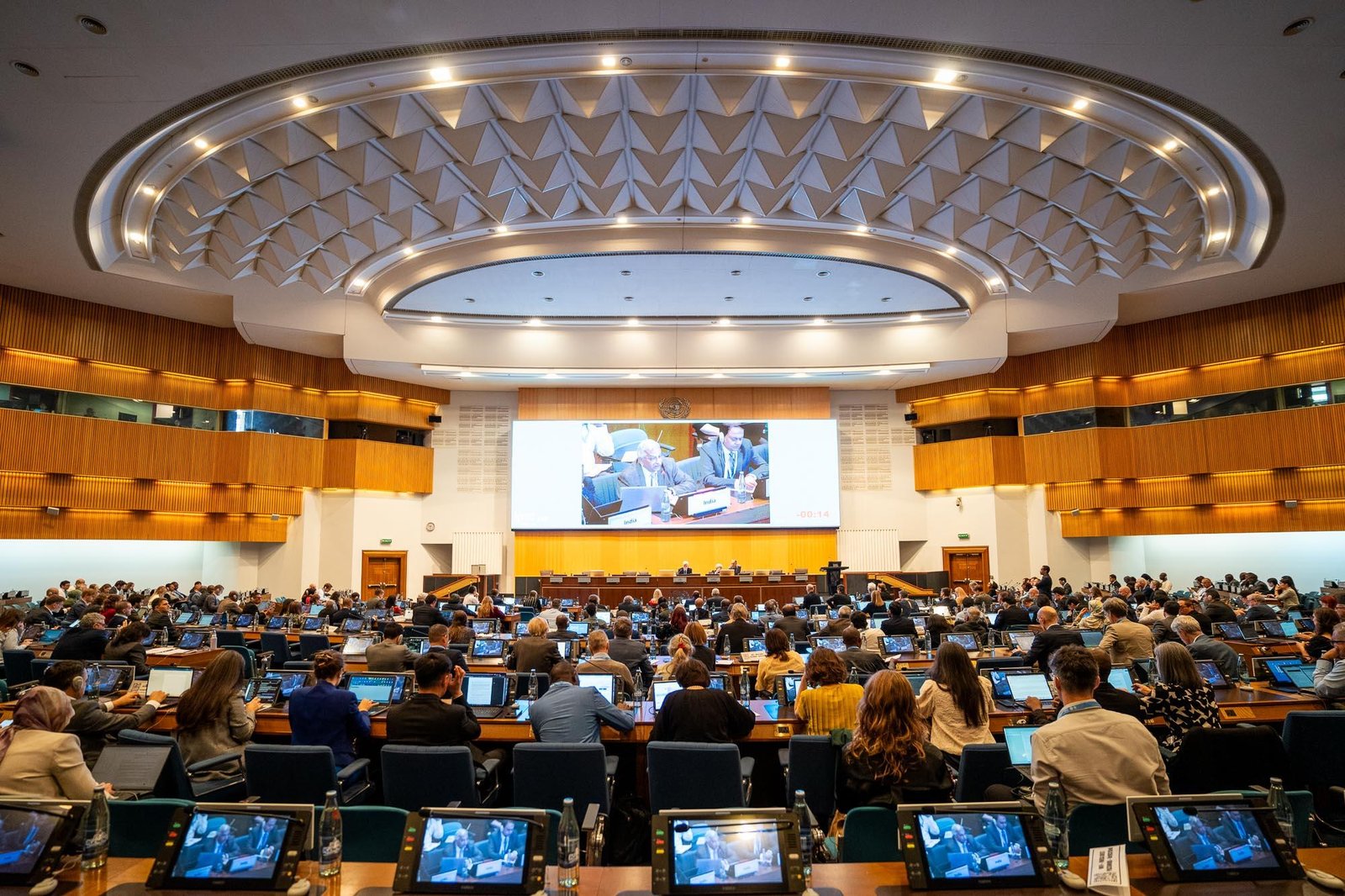
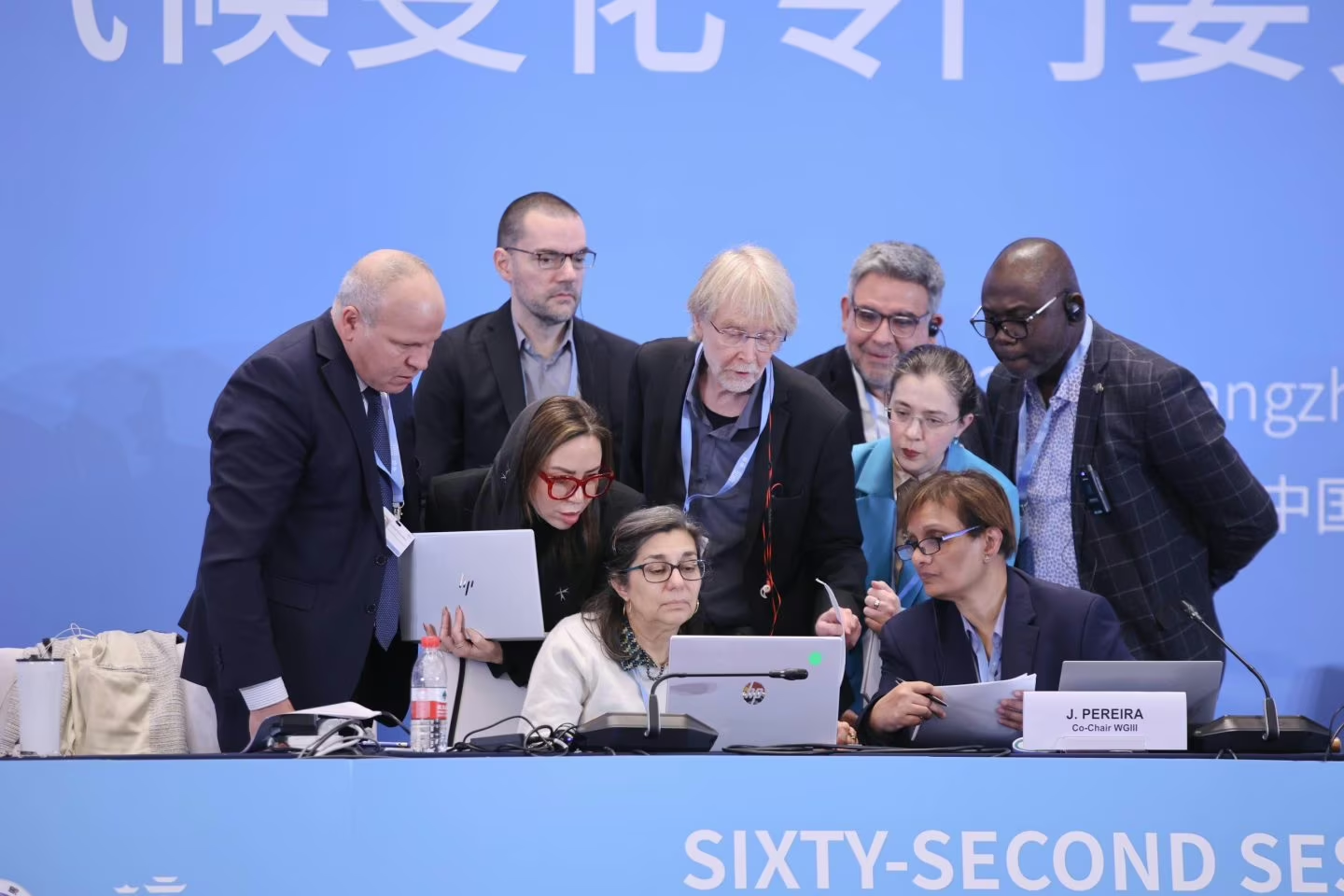
The Intergovernmental Panel on Climate Change (IPCC) held its 65th plenary session in Addis Ababa, Ethiopia, in October 2026. Delegates ended the meeting without resolving the dispute over the publication schedule for the Seventh Assessment Report, known as AR7. The disagreement has continued through multiple meetings, despite the importance of providing governments with timely climate evidence.
At the heart of the controversy is a difficult question: should countries prioritise publishing the reports before the next major United Nations climate review, or allow more time for scientific assessment and broader participation from researchers in developing countries?
The decision could influence climate policy, emissions targets, climate finance and the way governments prepare for rising temperatures and extreme weather.
What Is the IPCC Report Timeline Dispute in 2026?
The IPCC assesses existing scientific research on climate change. It does not conduct its own original research. Instead, its international teams evaluate thousands of studies and prepare reports that help governments understand climate risks, adaptation options and ways to reduce greenhouse gas emissions.
Its Seventh Assessment Report is being prepared through three main working groups:
- Working Group I: The physical science behind climate change.
- Working Group II: Climate impacts, vulnerability and adaptation.
- Working Group III: Options for reducing emissions and limiting further warming.
The disagreement concerns when these reports should be finalised and approved.
One group of countries supports a timetable that would allow the three reports to be approved during 2028. Other governments want additional time, particularly for the second and third reports, potentially pushing their approval into 2029.
The IPCC’s October meeting in Addis Ababa ended without a final agreement. As a result, uncertainty remains over whether all three reports will be available in time to inform the global climate review scheduled for 2028.
This is not simply a disagreement over dates. It reflects different views about scientific workloads, fairness between countries and the relationship between scientific assessments and international climate policy.
Why Are Countries Disagreeing Over the Publication Date?
The IPCC climate negotiations have exposed competing priorities among governments.
Countries favouring a later schedule, including India and Saudi Arabia, have argued that researchers and governments with fewer resources need sufficient time to participate meaningfully in the process. Russia and China have also been associated with calls for more preparation time.
Developing countries have long raised concerns about unequal access to research funding, scientific publishing opportunities and the resources needed to participate in international assessments.
Preparing an IPCC report requires scientists to review extensive literature, assess evidence, respond to expert comments and help governments examine draft findings. Researchers who lack funding or institutional support can face additional difficulties completing this work alongside their regular responsibilities.
Supporters of a longer timetable argue that rushing the process could weaken participation and make the assessments less inclusive.
However, countries pushing for publication before the 2028 climate review warn that delaying the reports could leave policymakers relying on older assessments at a critical moment.
More than 30 countries associated with the High Ambition Coalition have called for a schedule that aligns the reports with the 2028 review. They argue that climate decisions should reflect the best available scientific evidence.
The challenge is finding a timetable that protects both scientific quality and the ability of governments to use the findings when they need them.
Why Does the 2028 Climate Review Matter?
The timing matters because the United Nations climate process includes a global stocktake designed to assess collective progress towards the goals of the Paris Agreement.
The next major stocktake is scheduled to conclude in 2028 at COP33. It is intended to help countries evaluate whether their climate efforts are sufficient and inform future decisions on emissions reduction, adaptation and climate finance.
An updated IPCC assessment could provide important evidence for those discussions.
If the reports are approved before the stocktake concludes, governments could use their findings while evaluating climate commitments and planning future policies. If key reports arrive in 2029, negotiators may have to proceed without the complete new assessment.
That does not mean climate negotiations would stop. Governments could still use existing scientific research, previous IPCC reports and other assessments. However, they would lack the full benefit of the latest comprehensive review from the IPCC.
The dispute therefore raises a broader question about how international institutions coordinate scientific assessments with political decision-making.
How Could a Delayed IPCC Report Affect Climate Policy?
Climate assessments help governments evaluate the risks of rising temperatures and the potential consequences of different emissions pathways.
Without a new comprehensive assessment at the expected time, policymakers may face greater uncertainty when deciding how quickly to reduce emissions, strengthen climate adaptation and direct public investment.
A delay could affect several areas.
National emissions targets
Governments use climate evidence to evaluate their emissions commitments and consider whether stronger action is needed. Updated assessments can help policymakers understand the likely consequences of different pathways.
Climate finance
International negotiations frequently involve questions about how much funding is required to support climate action and how financial assistance should be distributed. Scientific assessments can help explain the risks and costs associated with inadequate action.
Adaptation and disaster planning
Countries need to prepare for climate-related hazards such as heatwaves, flooding, droughts and coastal risks. Updated scientific assessments can support long-term planning, although local decisions also depend on regional data and specialised studies.
International cooperation
When countries disagree over the timetable for scientific evidence, trust between negotiating groups can suffer. That tension may make it harder to reach agreement on other climate priorities.
A delayed report would not eliminate existing climate knowledge, but it could complicate efforts to coordinate new decisions around a shared scientific assessment.
Why Climate and Technology Infrastructure Are Also at Stake
The IPCC report timeline dispute is relevant beyond environmental policy. Climate risks influence decisions about energy systems, transport networks, water supplies and digital infrastructure.
Electricity grids, data centres, telecommunications networks and industrial facilities all depend on reliable energy, cooling and physical infrastructure. Extreme heat, flooding, storms and water shortages can disrupt those systems, depending on their location and design.
Updated climate assessments can help governments and businesses understand long-term risks and evaluate strategies for resilience. They can also inform broader planning around clean energy, energy efficiency and adaptation investment.
However, the IPCC is not a construction manual or a replacement for local engineering assessments. Companies and infrastructure planners still need site-specific hazard studies, engineering standards and operational risk analysis.
The timing of AR7 could nevertheless influence the broader evidence base used by policymakers as they set investment priorities and develop long-term infrastructure strategies.
For technology companies, the issue is particularly relevant where electricity demand, cooling requirements and climate exposure intersect. Reliable climate information can help support decisions about where to locate facilities and how to prepare for future environmental risks.
Is Politics Influencing the Climate Science Process?
The dispute has raised concerns about the relationship between climate science and international politics.
Some critics argue that delaying the reports could weaken pressure on governments to strengthen emissions policies. They point to the role of major fossil-fuel-producing countries in calls for a longer timetable.
However, countries advocating a delay have also raised substantive concerns about fairness, research capacity and the ability of less-resourced scientists to participate fully.
It is important to distinguish these competing arguments from proven motives. The existence of a disagreement does not, by itself, establish that a government is deliberately trying to suppress scientific findings.
Russia has rejected the suggestion that its position is simply an attempt to delay climate action, arguing that scientific assessments should remain independent of predetermined political agendas.
The IPCC’s role is to assess scientific evidence rather than dictate national policy. Its reports undergo extensive expert and government review, with the aim of producing assessments that countries can use despite their different political priorities.
The current impasse illustrates how difficult that mission can become when governments disagree over the timetable, process and policy implications of scientific work.
Has the IPCC Stopped Preparing Its Next Report?
No. The timeline disagreement has not meant that all scientific work has stopped.
According to reporting by Carbon Brief, IPCC Chair Jim Skea said earlier in 2026 that report preparation was continuing despite the lack of agreement on the final schedule.
Scientists and assessment teams have been working on the reports, while governments continue to negotiate the timetable and related organisational questions.
The IPCC’s seventh assessment cycle also includes other publications. Its planned outputs include a Special Report on Climate Change and Cities, scheduled for March 2027, and a methodology report on short-lived climate forcers expected in the second half of 2027.
These publications have their own schedules and should not be confused with the unresolved approval dates for the three main AR7 working-group reports.
The broader process therefore continues, but uncertainty about the main assessment timeline remains a significant concern.
What Happens Next in the IPCC Climate Negotiations?
The immediate priority is to find a workable schedule that governments can accept.
Negotiators must balance several demands: allowing sufficient time for scientific review, improving participation by researchers from less-resourced countries, managing the workload of assessment teams and making the reports available when governments can use them.
A compromise could involve adjustments to review periods, meeting dates or the approval sequence for individual reports. Any final schedule would need formal agreement through the IPCC process.
The stakes extend beyond administrative planning. A clear timetable would give scientific teams, governments and climate-policy organisations greater certainty as they prepare for the next phase of international negotiations.
Until an agreement is reached, the question of whether the complete assessment will be available for the 2028 global stocktake remains unresolved.
Conclusion: A Climate Report Dispute With Global Consequences
The IPCC report timeline dispute 2026 highlights a growing challenge in global climate governance: how to deliver rigorous scientific assessments while ensuring that governments can use the findings at critical moments.
Countries supporting a faster schedule want the latest evidence available before the 2028 climate review. Governments advocating more time argue that scientific quality and fair participation require a longer process.
Both concerns deserve serious consideration. A rushed assessment could undermine confidence, while an avoidable delay could leave policymakers without an updated, comprehensive review when they need it.
The failure to reach agreement at the October meeting in Addis Ababa means the issue remains open. The next steps will determine whether the IPCC can settle on a schedule that balances scientific integrity, international inclusion and practical policy needs.
For governments, businesses and infrastructure planners, the central lesson is clear: climate decisions depend not only on producing reliable science, but also on making that science available in time to guide action.