The Ukraine Starshield dispute 2026 has exposed a major vulnerability in modern warfare: a country can depend on satellite technology to defend itself, yet still lack full control over the system that keeps its forces connected. In October, restrictions on SpaceX’s military-focused Starshield service disrupted some Ukrainian drone and air-defence operations, triggering a dispute over who had the authority to limit access. Ukrainian officials later reported that connectivity had returned to the levels needed for military operations.
The controversy raises a question that extends far beyond Ukraine: when private companies supply essential military technology, who ultimately controls how that technology is used during a war?
As armies increasingly rely on satellites, cloud computing, artificial intelligence and commercial communications networks, the answer could shape future conflicts, international alliances and national security policies.
What Happened in the Ukraine Starshield Dispute?
In October 2026, Ukrainian forces experienced restrictions affecting military satellite connectivity used for battlefield communications and drone operations. Reports described terminals on fast-moving platforms losing connectivity when speeds exceeded approximately 160 kilometres per hour.
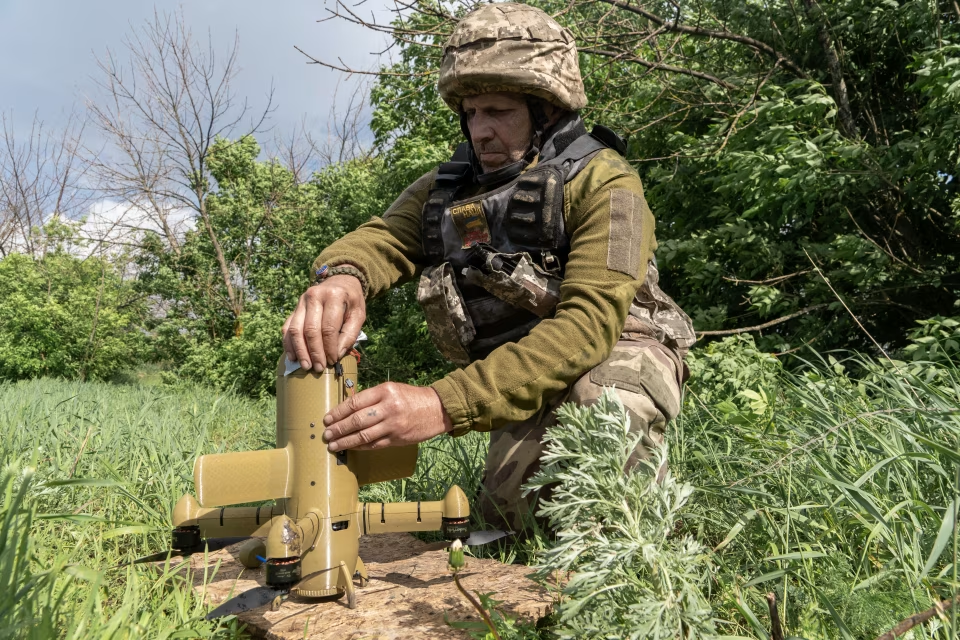
The restrictions affected some operations involving drones and air-defence systems. These systems depend on reliable communication links to exchange information and, in some cases, support remote control.
Reuters reported on 15 October that US officials and a Western official attributed the order to restrict Starshield to someone inside the White House. However, the reports did not establish who made the final decision. Public statements from US officials and SpaceX’s leadership also differed over who controlled the relevant restrictions.
The issue became more controversial because the US government, SpaceX and Ukrainian officials offered different explanations of the situation.
SpaceX CEO Elon Musk said Starshield was controlled by the US government and argued that military usage restrictions fell under government authority. Ukrainian officials disputed claims that they had misused the commercial Starlink network for offensive drone strikes.
On 24 October, Ukraine said Starlink and Starshield had returned to normal operating conditions. However, restoring connectivity did not resolve the larger questions about responsibility, oversight and long-term dependence.
Starlink vs. Starshield: Why the Difference Matters
Although people often use the names interchangeably, Starlink and Starshield serve different purposes.
Starlink is SpaceX’s commercial satellite internet service. It provides broadband connectivity through satellites in low Earth orbit and portable ground terminals. The network has become particularly valuable in places where conventional communications infrastructure has been damaged or destroyed.
Starshield is SpaceX’s defence-oriented service for government and national-security customers. It uses related satellite technology to support specialised communications and other security requirements.
For Ukraine, these capabilities have become important because Russian attacks have repeatedly threatened conventional communications infrastructure. Satellite connectivity helps military units communicate across dispersed locations and maintain links when terrestrial networks are unavailable.
However, the Ukraine Starshield dispute demonstrates that access to technology does not automatically mean ownership or independent control. A military may operate the equipment while relying on another organisation to provide the network, authorise its use or determine its technical limits.
That distinction becomes especially important when a country’s ability to conduct military operations depends on a service supplied by a foreign company.
How Satellite Internet Has Changed Modern Warfare
Satellite internet has transformed military communications by making reliable connectivity possible in areas where traditional networks struggle.
In Ukraine, satellite systems have supported several important functions.
1. Battlefield communications
Military units need to share information quickly with commanders and neighbouring formations. Satellite connections can help maintain these links when mobile networks, fibre-optic cables and other infrastructure suffer damage.
2. Drone operations
Modern drones may require communication links for remote control, situational awareness and the transmission of information. Some systems use satellite connectivity to support operations over distances where conventional radio links may be insufficient.
A disruption can affect mission planning or interrupt a communication link. The exact consequences depend on the drone’s design, operating environment and available backup systems.
3. Intelligence sharing
Military forces collect information from drones, sensors and reconnaissance systems. Communications networks help move that information between operational units and decision-makers.
4. Air defence
Ukraine faces repeated missile and drone attacks. Reliable communications can help personnel coordinate observations, share warnings and manage defensive responses.
These uses show why satellite internet military dependence is becoming a major strategic issue. A satellite network is no longer simply a convenience for troops; it can form part of the infrastructure supporting an entire military operation.
Who Really Controls Digital Warfare?
The central question is not simply who owns a satellite. It is who can decide how the network operates, which users receive access and what happens when political interests change.
Several groups can exercise influence.
Private technology companies design, maintain and operate commercial networks. They may control technical settings, service policies and access to essential infrastructure, subject to applicable contracts and laws.
National governments can negotiate contracts, impose legal requirements and determine how government-controlled systems support military operations. Governments may also possess authority over particular services even when private companies supply the underlying technology.
Military commanders decide how to use available capabilities within their legal and operational authority. Yet their choices become limited when a critical communications service changes its operating conditions.
Regulators and legislators can establish rules governing defence contracts, critical infrastructure, accountability and national security. Their oversight can help ensure that decisions about essential systems receive appropriate scrutiny.
The Ukraine dispute illustrates how these different forms of control can overlap. SpaceX supplies the technology, the US government has a major role in Starshield, and Ukraine depends on connectivity for its defence.
When a disruption occurs, responsibility may be difficult to establish quickly. That uncertainty itself becomes a strategic weakness.
Could a Private Company Influence the Outcome of a War?
Private companies have always supplied militaries with equipment, vehicles, aircraft and communications systems. What has changed is the growing importance of technology platforms that can be updated, restricted or managed remotely.
A satellite provider does not need to deploy troops to influence military capabilities. Changes to service availability, operating limits or user access can affect the systems that rely on the network.
That does not mean a company independently decides the outcome of a war. Military results depend on many factors, including personnel, weapons, intelligence, logistics, industrial capacity and political decisions.
Nevertheless, a technology provider can hold significant leverage when a military has few practical alternatives.
The Ukraine dispute highlights three major risks:
- Operational vulnerability: A service interruption can affect missions that depend on continuous connectivity.
- Political uncertainty: Decisions about access may reflect government policy, commercial rules or disputes between allies.
- Limited alternatives: Replacing a mature satellite network can require substantial time, investment and technical coordination.
The key lesson is that governments should assess the strategic consequences of relying on a single commercial provider for critical capabilities.
Why Ukraine Needs More Than One Satellite Option
Ukraine’s experience has renewed interest in communications resilience. A military that relies heavily on one network faces a greater risk if that service becomes unavailable or its operating conditions change.
Diversification could reduce this exposure, although developing alternatives is not as simple as purchasing another satellite terminal.
Potential solutions include:
Multiple satellite providers: Governments can explore agreements with different networks, where their coverage, technical capabilities and legal terms meet military requirements.
National and allied systems: Publicly funded satellite communications can provide greater control over certain services, although building and maintaining these systems requires substantial resources.
Terrestrial backup networks: Fibre, radio, microwave and mobile systems can provide additional routes for communications where infrastructure remains available.
Resilient system design: Military planners can build procedures that allow essential functions to continue when one network fails. Backup arrangements must be tested rather than merely documented.
Clear contracts and oversight: Governments can establish service guarantees, emergency procedures, notification requirements and transparent rules for restricting access, subject to legitimate security limitations.
No single measure eliminates every vulnerability. However, combining several independent communications options can reduce the risk that one provider or policy decision will disrupt essential operations.
What the Dispute Means for NATO and Other Militaries
The implications extend beyond Ukraine. NATO members and other military powers increasingly use commercial technology for communications, cloud computing, intelligence processing and data management.
Commercial systems often provide capabilities faster than governments can develop their own infrastructure. They can also offer access to advanced technology without requiring a state to build every component itself.
But efficiency comes with trade-offs. A government may have less direct control over a commercial network than over a dedicated national system. Contracts may not cover every crisis scenario, and switching providers during a conflict can prove difficult.
Military planners therefore need to consider questions such as:
- Can essential communications continue if a provider withdraws access?
- Who has legal authority to impose restrictions during a conflict?
- Can governments independently verify the reliability of their backup systems?
- Are contracts clear about emergency access and service interruptions?
- How quickly can allied forces switch to alternative networks?
These questions are not limited to satellites. They also apply to cloud services, software platforms, artificial intelligence systems and privately operated data infrastructure.
The Future of Digital Warfare
Future conflicts will increasingly depend on the movement of information as well as the movement of weapons. Satellites, sensors, autonomous systems and AI-assisted analysis can help military forces respond more quickly, but they also create new dependencies.
An adversary may attempt to disrupt communications through electronic warfare, cyberattacks or attacks on physical infrastructure. A service provider may also face legal, commercial or political pressure that changes how a system operates.
This creates a difficult challenge for governments: they want to benefit from commercial innovation without surrendering control over capabilities essential to national defence.
The solution is unlikely to be a complete rejection of private technology. Commercial providers can deliver valuable services, and governments may not be able to reproduce every capability independently.
Instead, military organisations will need stronger resilience planning, clearer accountability and a more balanced mix of public and private infrastructure.
Conclusion: Connectivity Is Now a Strategic Asset
The Ukraine Starshield dispute 2026 has exposed a central tension in modern warfare. Commercial technology can give military forces capabilities that would otherwise take years to develop, but dependence on an external provider can also create a point of vulnerability.
The restoration of Ukrainian connectivity eased the immediate disruption, but it did not settle the question of who should control access to essential military communications.
For Ukraine and its allies, the priority should be to preserve the benefits of commercial innovation while building reliable alternatives, clear rules and meaningful oversight.
Ultimately, digital warfare is not controlled by one company, one government or one satellite network alone. However, those who control essential communications infrastructure can influence the options available to everyone else.
In future conflicts, military strength will depend not only on having advanced technology, but also on ensuring that critical systems remain available when they matter most.