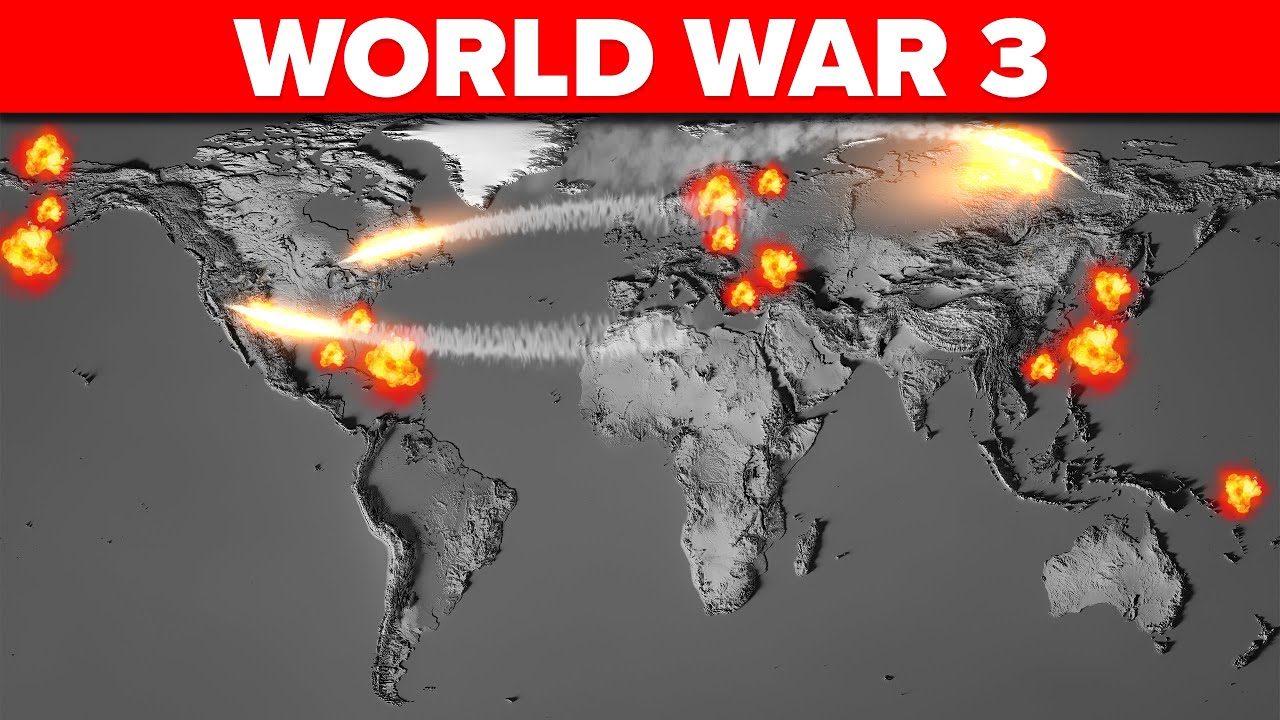
In recent years, rising geopolitical tensions, regional conflicts, and shifting global alliances have led many people to ask a difficult question: are we heading toward World War Three? While history shows that global conflicts often emerge from complex and interconnected causes, today’s world is marked by new dynamics that make this question more relevant than ever.
At the center of this discussion are two critical factors: geopolitical tensions and nuclear deterrence. These elements play a major role in shaping international relations and determining whether conflicts escalate or remain contained.
Understanding the Current Global Landscape
The modern world is interconnected through trade, technology, and diplomacy, yet it is also marked by competition between major powers. Regional conflicts, economic rivalries, and political disagreements have created an environment where tensions can escalate quickly if not managed carefully.
Unlike past centuries, today’s conflicts are often indirect, involving economic pressure, cyber operations, and proxy engagements rather than direct large-scale warfare between major powers.
The Role of Geopolitical Tensions
Geopolitical tensions refer to conflicts or rivalries between countries driven by strategic interests, territorial disputes, economic competition, or political ideologies.
Key sources of geopolitical tension include:
- Territorial disputes between nations
- Competition for natural resources
- Influence over trade routes and global markets
- Military alliances and strategic positioning
- Ideological differences between governments
These tensions can create instability, but they do not automatically lead to global war. Instead, they often result in diplomatic negotiations, sanctions, or localized conflicts.
Nuclear Deterrence and Global Stability
One of the most important factors preventing large-scale war is nuclear deterrence. This concept is based on the idea that countries with nuclear weapons are less likely to engage in direct conflict due to the catastrophic consequences of mutual destruction.
Nuclear deterrence has contributed to:
- A reduction in direct wars between major powers since World War II
- A strategic balance of power among nuclear-armed states
- Increased emphasis on diplomacy and conflict avoidance
However, it also introduces risks, as misunderstandings or miscalculations could potentially escalate into severe consequences.
Regional Conflicts and Proxy Wars
Instead of direct global confrontation, many conflicts today occur at regional levels or through proxy involvement. Countries may support opposing sides in conflicts without engaging directly with each other.
These conflicts can involve:
- Military aid and funding
- Political support for allied groups
- Economic sanctions and trade restrictions
- Intelligence and strategic assistance
While these situations increase global tension, they often remain contained within specific regions.
The Role of International Alliances
Global alliances play a significant role in maintaining balance and preventing escalation. Organizations such as military alliances and international coalitions create frameworks for cooperation and collective defense.
Alliances can:
- Deter aggression through collective security agreements
- Encourage diplomatic solutions to conflicts
- Provide channels for communication between nations
- Stabilize regions through coordinated efforts
However, alliances can also increase tensions if rival blocs form opposing sides in global disputes.
Economic Interdependence as a Stabilizing Force
Modern economies are highly interconnected through trade, investment, and supply chains. This economic interdependence acts as a deterrent to large-scale conflict, as war would disrupt global markets and negatively impact all involved parties.
Key aspects include:
- Global trade relationships between major economies
- Dependence on international supply chains
- Shared financial systems and institutions
- Mutual economic interests that encourage cooperation
Economic ties often serve as a powerful incentive to avoid conflict and maintain stability.
The Role of Diplomacy and International Institutions
Diplomacy remains one of the most effective tools for preventing conflict. International organizations and diplomatic channels provide platforms for negotiation, conflict resolution, and cooperation.
These mechanisms help:
- Resolve disputes peacefully
- Promote dialogue between nations
- Establish international norms and agreements
- Prevent misunderstandings from escalating
Strong diplomatic engagement reduces the likelihood of conflicts escalating into broader wars.
Are We Truly at Risk of World War Three?
While global tensions are undeniably present, most experts agree that a full-scale world war is not inevitable. Several factors reduce the likelihood of such a conflict:
- The presence of nuclear deterrence
- Economic interdependence between major powers
- Active diplomatic efforts and international cooperation
- Awareness of the catastrophic consequences of global war
However, risks remain in the form of regional conflicts, cyber warfare, and political instability. These issues require careful management to prevent escalation.
The Importance of Global Cooperation
In an increasingly interconnected world, cooperation between nations is essential. Addressing shared challenges such as climate change, cybersecurity, economic instability, and public health requires collaboration rather than confrontation.
Strengthening international partnerships can help:
- Reduce misunderstandings
- Build trust between nations
- Promote peace and stability
- Encourage sustainable global development
Conclusion
The question of whether we are heading for World War Three reflects growing concerns about global instability, but the reality is more nuanced. While geopolitical tensions continue to shape international relations, nuclear deterrence and economic interdependence act as powerful forces that discourage large-scale conflict.
Although the risk of localized conflicts remains, the structures of modern diplomacy, alliances, and global cooperation make a world war less likely than it may appear. The future will depend on how effectively nations manage their differences and work together to maintain peace and stability in an increasingly complex global environment.