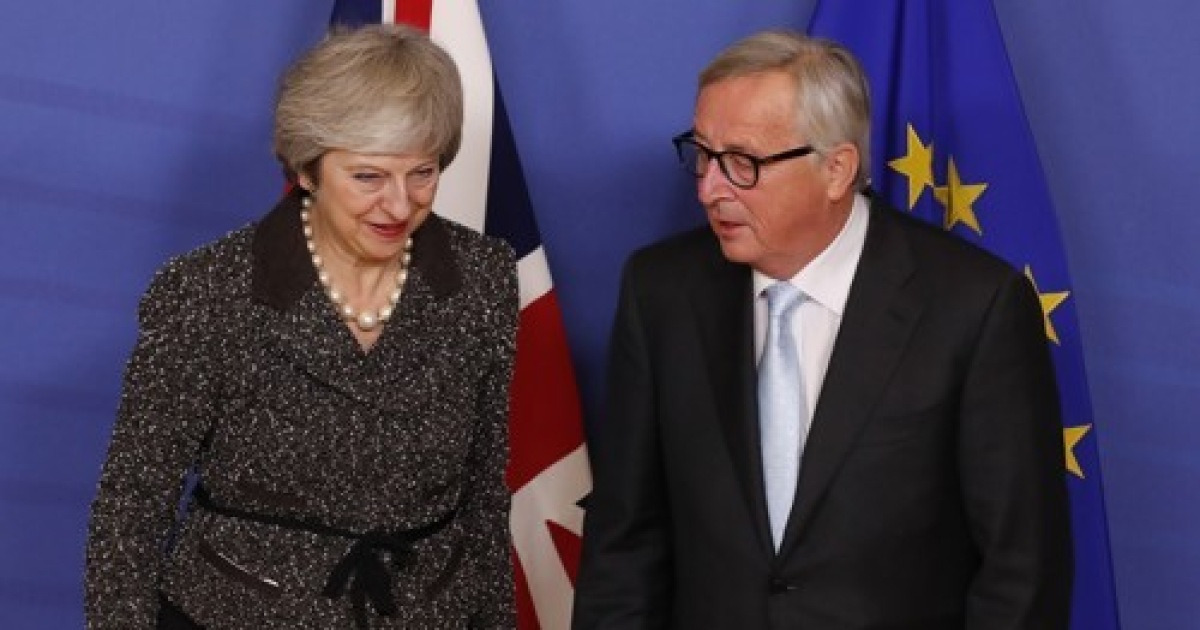
The United Kingdom’s departure from the European Union marked one of the most significant geopolitical shifts in modern European history. Since formally leaving the bloc in 2020, the UK has been redefining its place on the world stage. Britain’s Global Diplomacy: New Frontiers After Brexit is no longer just a political slogan it is an evolving strategy shaping trade, defense, development, and international partnerships.
Post-Brexit Britain faces both opportunity and uncertainty. Freed from EU policy structures, the government has pursued independent trade deals and reimagined its diplomatic footprint. Yet it must balance sovereignty ambitions with economic realities and global competition.
Repositioning the UK in a Changing World
Brexit compelled policymakers to rethink traditional alliances and explore emerging markets. The UK government introduced the “Global Britain” vision to signal its commitment to active international engagement.
Through its Foreign, Commonwealth & Development Office, Britain has expanded diplomatic outreach in the Indo-Pacific region, Africa, and the Gulf states.
The strategy emphasizes:
-
Independent trade agreements
-
Strengthened defense alliances
-
Climate diplomacy leadership
-
Development and humanitarian partnerships
This transformation highlights how diplomacy is increasingly multi-dimensional blending economics, security, and soft power.
Trade as the Cornerstone of Post-Brexit Strategy
Trade policy became the first test of Britain’s diplomatic independence. The UK negotiated new agreements with countries including Australia, Japan, and Canada.
Accession to the Comprehensive and Progressive Agreement for Trans-Pacific Partnership (CPTPP) signaled Britain’s pivot toward Indo-Pacific markets.
These agreements aim to diversify trade beyond Europe, though the EU remains one of Britain’s largest economic partners.
Security and Strategic Alliances
Defense diplomacy remains central to Britain’s global role. As a leading member of NATO, the UK continues to support European security while strengthening ties with the United States and Indo-Pacific allies.
The AUKUS security pact involving the United Kingdom, the United States, and Australia underscores Britain’s commitment to countering emerging security threats.
Through these alliances, Britain projects influence far beyond its geographic size.
Climate and Soft Power Diplomacy
Britain has also positioned itself as a climate leader, hosting major global summits like COP26 in Glasgow.
Climate diplomacy strengthens the UK’s soft power credentials while reinforcing economic transitions toward renewable energy. This approach combines environmental policy with strategic diplomacy appealing to global partners seeking sustainable growth.
Challenges Facing Post-Brexit Diplomacy
Despite ambitious goals, Britain’s global strategy faces several challenges:
-
Managing trade friction with the EU
-
Domestic political divisions
-
Economic slowdown and inflation
-
Maintaining influence amid rising global powers
Balancing independence with interdependence remains a delicate task. Critics argue that geographic proximity to Europe limits how far Britain can pivot economically.
Digital Diplomacy in a Connected Era
Modern diplomacy is no longer confined to embassies and summits. Governments now use digital platforms to communicate policy, shape narratives, and build global influence.
For publishers and political analysts covering Britain’s Global Diplomacy: New Frontiers After Brexit, leveraging content repurposing automated social media tools can significantly amplify reach. Transforming long-form geopolitical analysis into short social insights, infographics, and video explainers ensures broader audience engagement.
Digital amplification mirrors diplomatic outreach itself strategic, targeted, and globally oriented.
The Future of Britain’s Global Role
Looking ahead, Britain’s diplomatic influence will depend on:
-
Sustained economic growth
-
Strategic trade diversification
-
Strong security partnerships
-
Climate leadership
-
Consistent foreign policy direction
Brexit created a structural shift that will define British foreign policy for decades. The long-term success of this transformation depends on adaptability, credibility, and global trust.
In many ways, Britain’s Global Diplomacy: New Frontiers After Brexit represents a test of whether sovereignty can coexist with deep international integration.
Final Thoughts
Britain’s post-Brexit journey is still unfolding. While independence has allowed greater policy flexibility, it has also demanded strategic recalibration. Trade deals, security partnerships, and climate diplomacy are reshaping how the world perceives the UK.
For digital publishers, combining geopolitical insight with content repurposing automated social media tools ensures sustained traffic growth and audience engagement. Just as Britain adapts diplomatically, content strategies must evolve to remain competitive in the digital landscape.
Global diplomacy is dynamic and so is the way we communicate it.