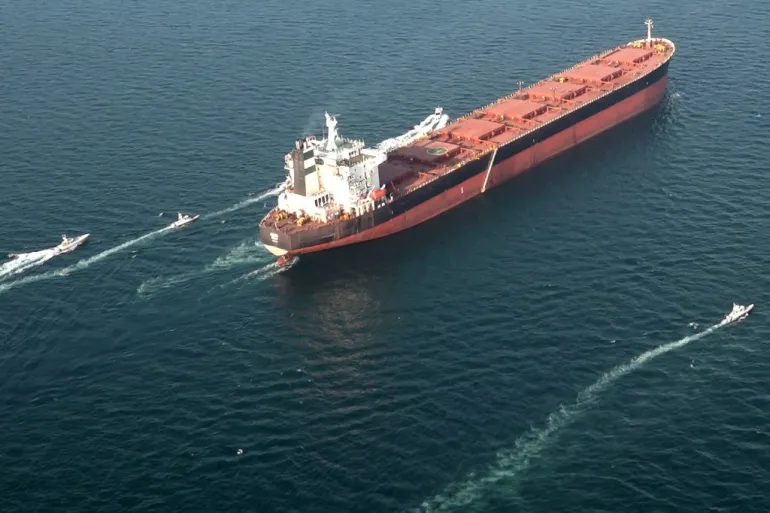
The Strait of Hormuz is one of the most important energy routes in the world. Nearly one-fifth of global oil passes through this narrow waterway every day. Recently, rising tensions in the region have raised fears of a possible disruption to shipping routes.
Energy experts warn that if the Hormuz Strait becomes blocked or restricted, countries that depend heavily on imported oil could face serious supply challenges. India is one of those countries, and analysts say its reserves could last for only a limited number of days if shipments stop completely.
Why the Strait of Hormuz Is So Important
The Hormuz Strait connects the Persian Gulf with the Arabian Sea and serves as a key gateway for oil exports from major producers such as Saudi Arabia, Iraq, Kuwait, and the United Arab Emirates.
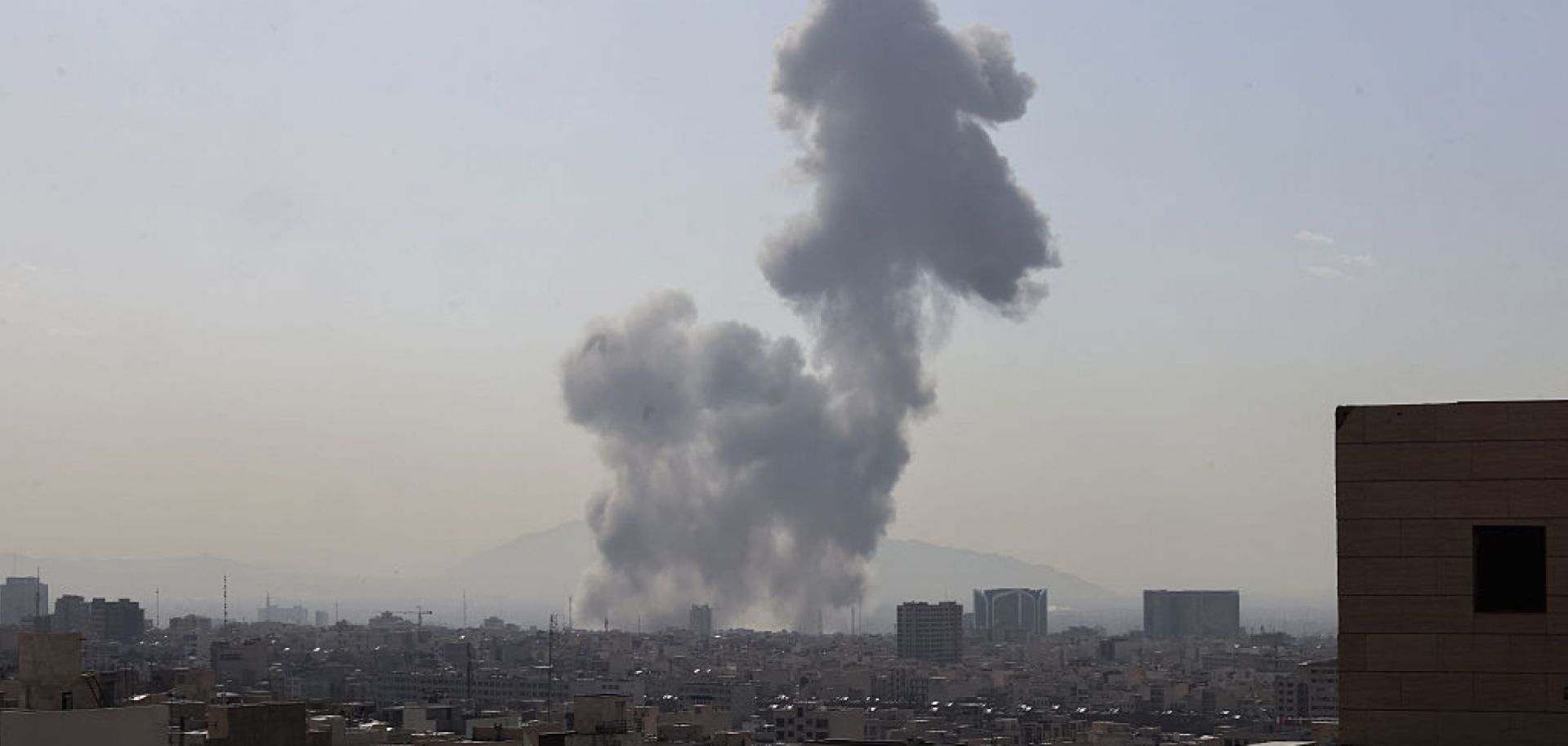
Because so much global energy moves through this narrow channel, any military conflict, political tension, or naval blockade could disrupt international oil trade. Even rumors of disruption can quickly affect global energy markets.
India’s Heavy Dependence on Imported Oil
India is one of the fastest-growing energy consumers in the world. The country imports a large portion of its crude oil from Middle Eastern producers. This dependence means that any disruption in the Strait of Hormuz could directly impact India’s energy supply.
Reports from energy analysts suggest that if oil shipments stop for an extended period, India may need to rely on its oil reserves to maintain fuel availability for transportation, industries, and essential services.
Possible Economic Impact
If shipping routes remain blocked, global oil prices could rise sharply. Higher prices would increase transportation costs, affect manufacturing industries, and place pressure on national economies.
For India, a shortage of oil could lead to increased fuel prices, supply management measures, and stronger reliance on strategic reserves. Governments often release stored oil during crises to stabilize the market temporarily.
Global Energy Markets on Alert
Energy markets react quickly to geopolitical tensions. Traders and policymakers closely monitor developments in the Strait of Hormuz because even a short disruption can influence global supply chains.
Countries around the world are exploring alternative shipping routes, increasing storage capacity, and investing in renewable energy sources to reduce dependence on vulnerable trade routes.
Looking Ahead
The situation around the Strait of Hormuz remains a major concern for global energy security. Diplomacy and international cooperation will play an important role in ensuring that vital shipping lanes remain open and stable.
For countries like India, maintaining sufficient oil reserves and diversifying energy sources could help reduce the risks associated with potential disruptions.
Final Thoughts
The Strait of Hormuz remains one of the most strategically important waterways in the world. Any threat to this route can create ripple effects across global markets and national economies.
Understanding the importance of the Hormuz Strait helps explain why governments and energy experts closely watch every development in the region.