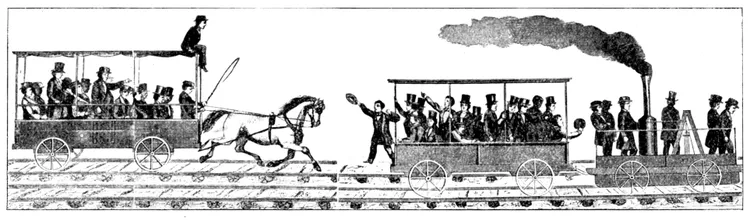
When you hear someone say a car has 300 horsepower, what does that really mean? Most people associate horsepower with speed and performance, but few understand its true origin and scientific meaning. Horsepower is more than just a number on a spec sheet it represents the fascinating history of engineering innovation and mechanical measurement.
In this article, we explore the untold story behind engine power, how horsepower became the global standard, and why it still dominates conversations about automotive performance.
The Surprising Origin of Horsepower
The term Horsepower dates back to the 18th century. Scottish engineer James Watt coined the term while improving steam engines. He needed a way to market his machines to coal mine owners who relied heavily on horses.
Watt calculated how much work a horse could perform in a minute and used that number as a comparison point. By demonstrating that his steam engine could outperform multiple horses, he created a powerful marketing advantage.
One mechanical horsepower equals 550 foot-pounds per second a measurement of work over time.
What Horsepower Actually Measures
It measures the rate at which an engine performs work. In simple terms, it tells you how quickly an engine can generate power.
Power depends on two main factors:
-
Torque (rotational force)
-
Engine speed (RPM)
When combined, these elements determine how much usable power your vehicle produces.
Higher horsepower generally means:
-
Faster acceleration
-
Greater top speed potential
-
Stronger towing capacity
However, horsepower alone does not tell the full story of performance.
Horsepower vs Torque: What’s the Difference?
Many drivers confuse horsepower with torque. While they relate closely, they serve different purposes.
-
Torque moves the vehicle from a standstill.
-
Horsepower determines how fast the vehicle continues accelerating.
For example, trucks prioritize torque for hauling heavy loads. Sports cars prioritize horsepower for high-speed performance.
Modern performance vehicles balance both to deliver efficient engine performance across driving conditions.
How Modern Engines Generate Power
Today’s engines rely on advanced engineering far beyond Watt’s steam engine.
Internal combustion engines produce power by:
-
Mixing fuel and air
-
Compressing the mixture
-
Igniting it
-
Converting the explosion into rotational force
Hybrid and electric vehicles measure power differently but still convert energy into mechanical movement.
Electric cars often display horsepower equivalents to help consumers compare performance easily.
Why Horsepower Still Matters
Even with modern electric drivetrains, its remains a universal benchmark. Car manufacturers highlight it prominently in advertisements because consumers understand its association with strength and speed.
High horsepower ratings often indicate:
-
Performance tuning
-
Turbocharging or supercharging
-
High-revving engines
-
Advanced fuel injection systems
In racing, small horsepower differences can dramatically impact lap times.
The Psychology Behind Power Numbers
Numbers influence buyer decisions. A higher horsepower rating often signals status and capability, even if drivers rarely use full power in daily driving.
Automotive marketing frequently emphasizes horsepower because it creates an emotional connection to speed, dominance, and engineering excellence.
Understanding the science behind the number empowers buyers to make informed decisions rather than relying solely on marketing claims.
Horsepower in the Electric Age
Electric vehicles shift how we think about performance. Electric motors deliver instant torque, which creates rapid acceleration even without extremely high horsepower numbers.
Still, manufacturers present electric output in horsepower equivalents for clarity.
The transition to electrification does not eliminate horsepower it redefines how engines deliver it.
The Future of Engine Power
As sustainability goals accelerate innovation, future engine performance will focus on efficiency as much as raw power.
Expect advancements in:
-
Electric propulsion
-
Hydrogen fuel systems
-
Lightweight materials
-
AI-driven engine optimization
Regardless of the technology, the concept of horsepower will likely remain part of automotive language for generations.
Final Thoughts
Horsepower began as a clever marketing term but evolved into a global measurement of engine capability. From steam engines to electric motors, it continues to symbolize performance and innovation.
Understanding engine performance gives you deeper insight into how vehicles move, accelerate, and compete.