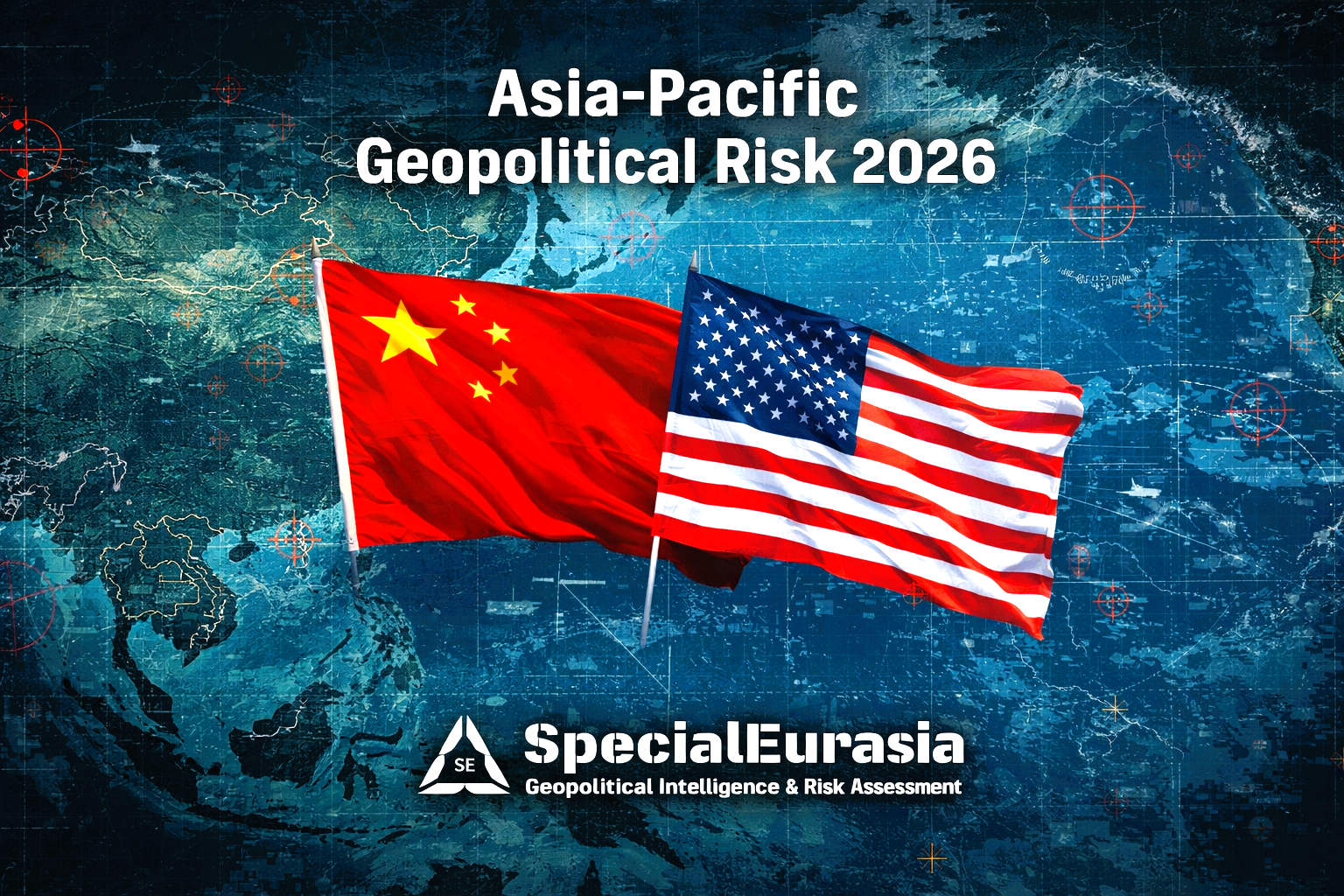
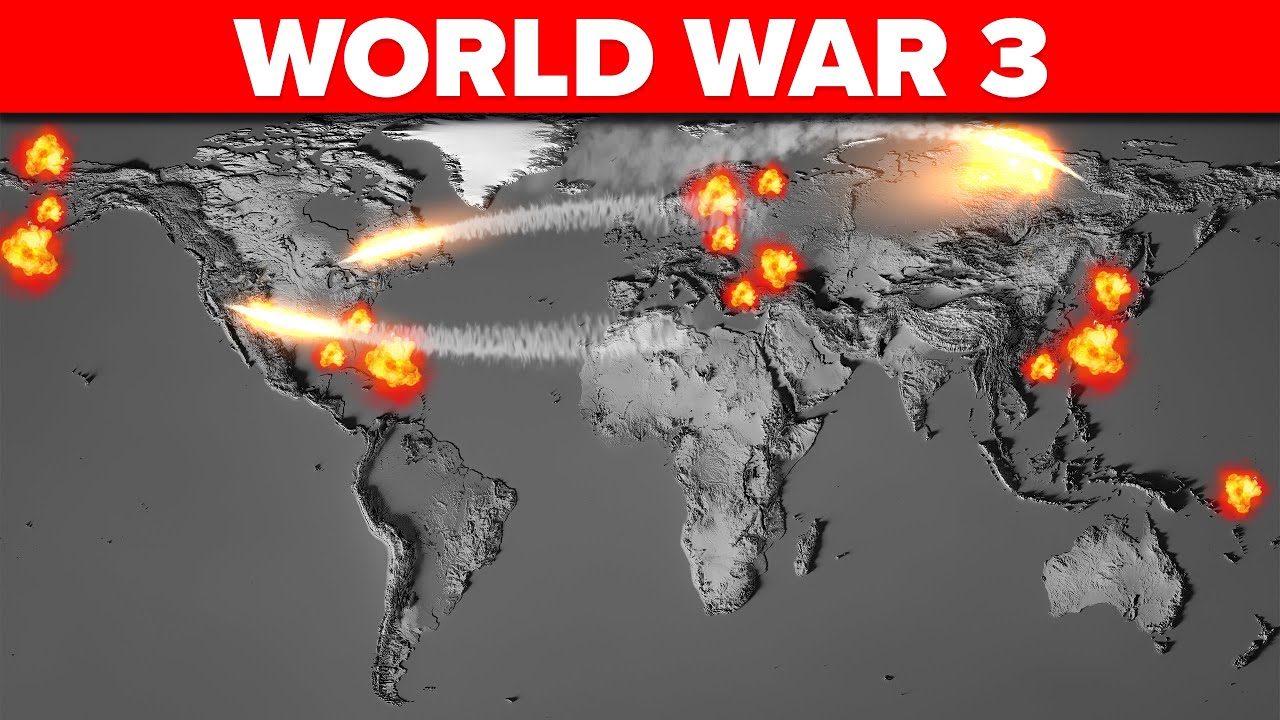
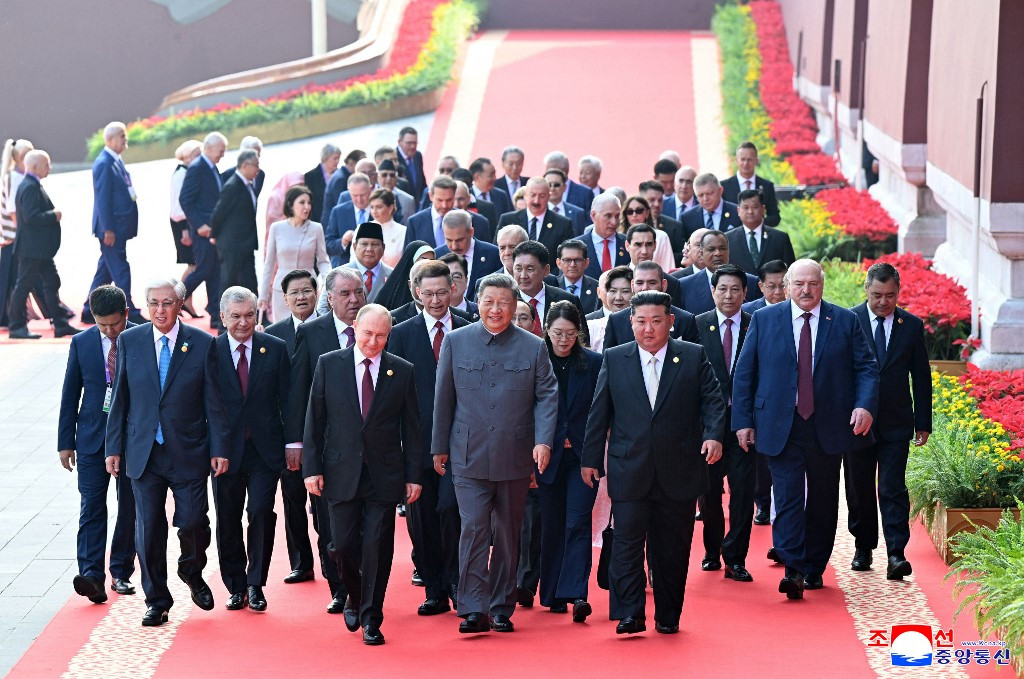
As the world enters a new phase of global tension, China is positioning itself at the center of a rapidly changing international landscape. By leveraging a calculated China global strategy, the country is taking advantage of the evolving nature of modern geopolitical conflict, where power is no longer defined solely by military strength but by influence, economics, and innovation.
This new form of global competition allows China to expand its reach without engaging in direct large-scale warfare, reshaping the balance of power across regions.
Understanding the New Age of Conflict
Today’s global conflicts differ significantly from traditional wars. Instead of direct military confrontations, nations compete through influence and control over key resources and technologies.
Key Characteristics of Modern Conflict:
- Economic sanctions and trade wars
- Technological competition (AI, cybersecurity, semiconductors)
- Proxy conflicts and regional tensions
- Information warfare and digital influence
- Strategic alliances and partnerships
This shift creates opportunities for countries like China to expand influence in less visible but highly effective ways.
China’s Global Strategy Explained
China’s rise is driven by a long-term and carefully planned China global strategy focused on economic growth, global partnerships, and technological leadership.
Core Elements of This Strategy:
- Expanding trade and investment networks
- Strengthening influence in developing nations
- Advancing innovation in technology sectors
- Building strategic infrastructure projects
- Increasing presence in global institutions
This approach allows China to build influence gradually while minimizing direct conflict.
Economic Power as a Key Weapon
In the era of modern geopolitical conflict, economic strength has become one of the most powerful tools. China is using its economic capabilities to shape global relationships.
How China Uses Economic Influence:
- Funding infrastructure projects worldwide
- Creating trade dependencies with partner nations
- Expanding manufacturing dominance
- Offering financial support to emerging economies
Economic partnerships often translate into long-term political and strategic influence.
Technology as the New Battleground
Technology is now at the heart of global competition. China is investing heavily in areas such as:
- Artificial intelligence
- 5G and telecommunications
- Semiconductor production
- Digital infrastructure
By leading in these sectors, China strengthens its position in the global power structure and influences future technological standards.
Strategic Neutrality and Flexibility
One of China’s key advantages is its flexible approach to global conflicts. Instead of taking rigid positions, it often balances relationships with multiple sides.
This allows China to:
- Maintain trade with competing nations
- Avoid direct confrontation
- Position itself as a mediator
- Focus on long-term gains
This adaptability is a major strength in today’s complex geopolitical environment.
Challenges and Global Response
China’s growing influence is not without resistance. Many countries are responding with:
- Trade restrictions and sanctions
- Strengthening regional alliances
- Increasing investment in domestic industries
- Monitoring technological expansion
These responses highlight the competitive nature of the current global landscape.
The Future of Global Power Dynamics
As modern geopolitical conflict continues to evolve, the global balance of power is shifting. China’s continued use of its China global strategy will play a critical role in shaping the future.
The world is moving toward a multipolar system, where multiple nations share influence rather than one dominant superpower.
Conclusion
China is not simply reacting to global changes it is actively shaping them. Through economic strength, technological advancement, and strategic diplomacy, it is taking advantage of a new era of global competition.
Understanding China’s approach is essential for navigating the future of international relations, as the world continues to adapt to this evolving geopolitical reality.