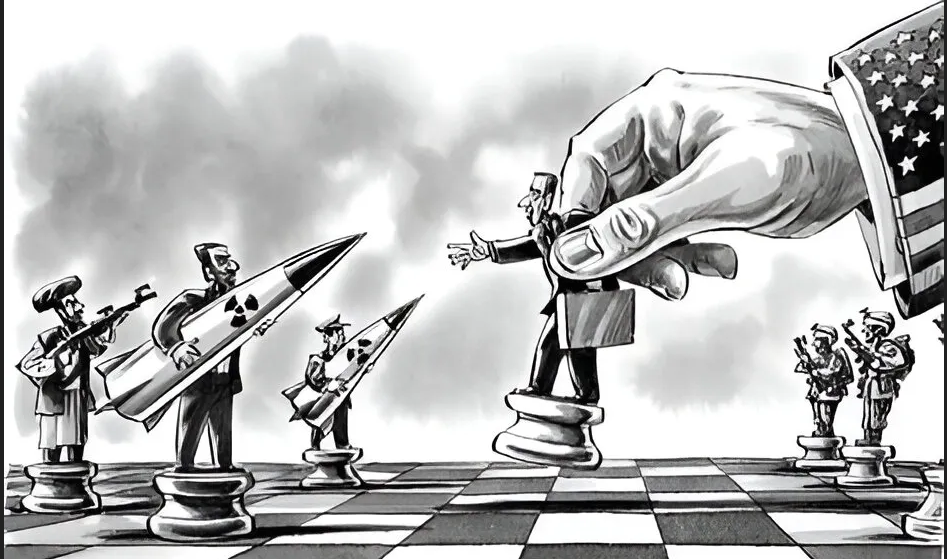
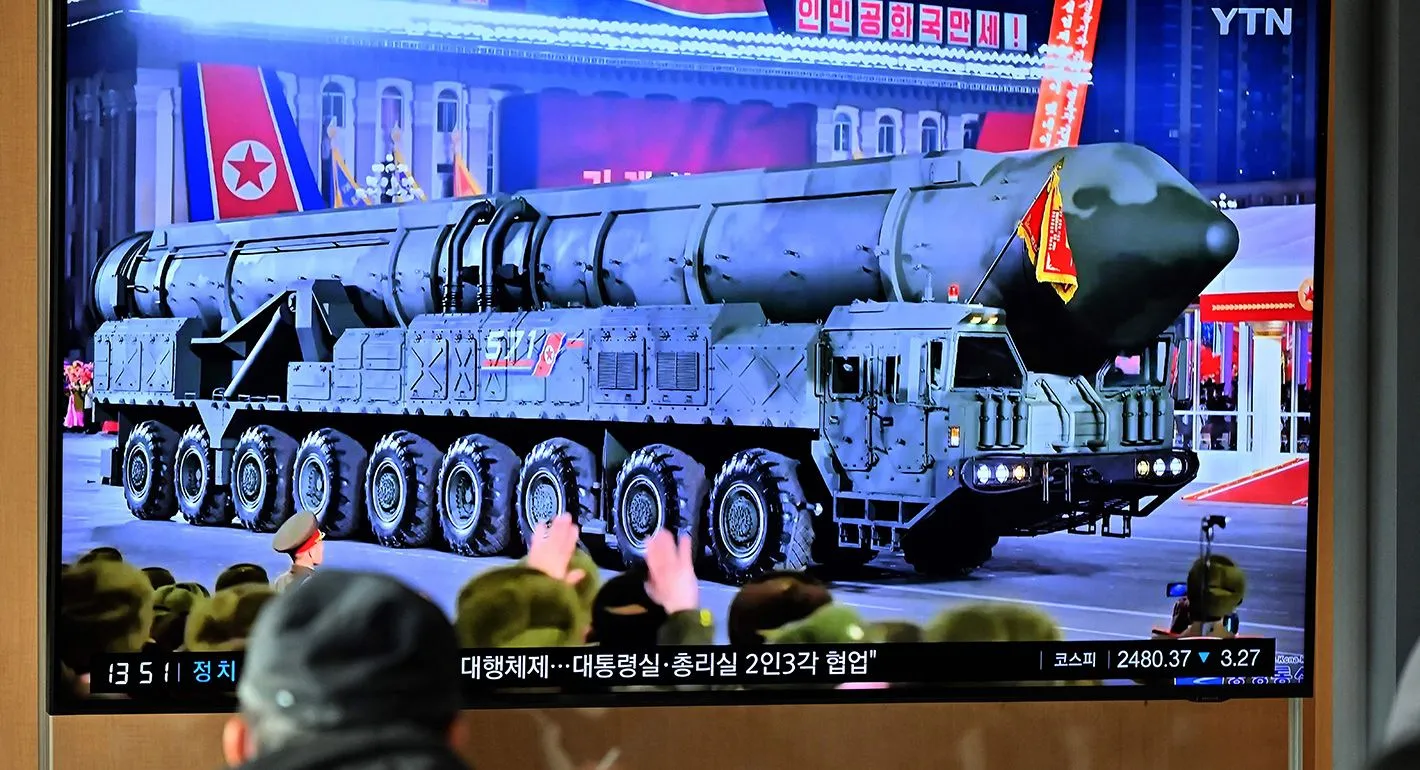
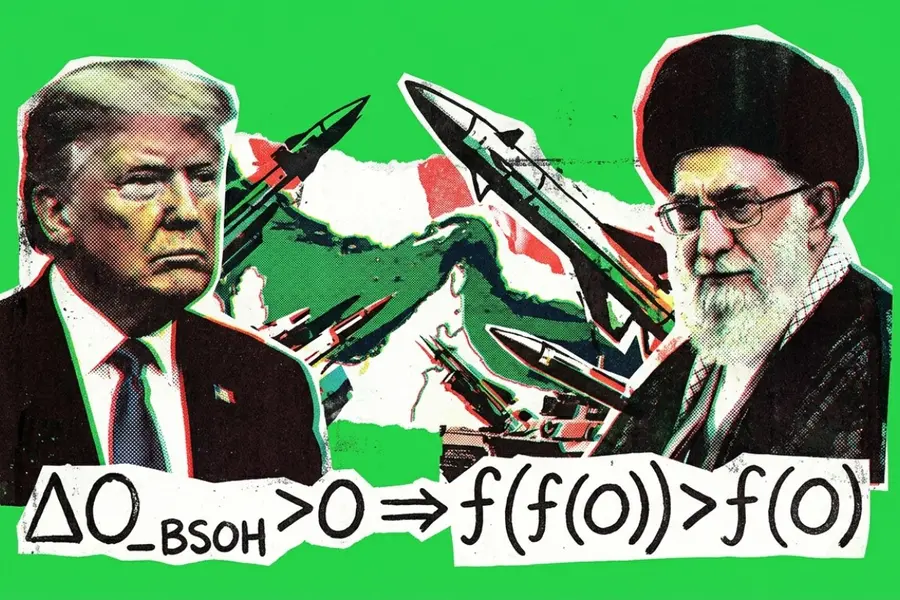
In today’s hyper-connected world, information warfare and societal instability are emerging as critical threats that can destabilize entire nations without a single physical attack. The concept of information collapse refers to a breakdown in the reliability, trust, and flow of information across societies. When people can no longer distinguish truth from misinformation, the very foundation of governance, economy, and social order begins to weaken.
What Is Information Collapse?
Information collapse occurs when the systems responsible for delivering accurate and trustworthy information fail. This can happen due to overwhelming misinformation, manipulation of media, or loss of trust in institutions.
In such a scenario:
- People lose confidence in news sources
- Governments struggle to communicate effectively
- False narratives spread faster than facts
- Public confusion leads to panic and poor decision-making
The result is a fragmented society where consensus becomes nearly impossible.
The Role of Information Warfare
Information warfare is a deliberate strategy used by states or groups to influence public perception and destabilize opponents. Instead of physical force, it relies on controlling narratives and spreading misinformation.
Common tactics include:
- Fake news campaigns
- Social media manipulation
- Deepfake videos and altered content
- Psychological operations targeting public opinion
These methods can weaken trust in leadership, divide populations, and create internal conflict.
Societal Instability as a Consequence
When information systems break down, societal instability quickly follows. People begin to question institutions, leadership, and even each other.
This can lead to:
- Protests and civil unrest
- Political polarization
- Economic disruption due to uncertainty
- Breakdown of law and order
In extreme cases, societies may face long-term instability that affects generations.
How Information Collapse Impacts Global Systems
The effects of information collapse are not limited to one country they can spread globally due to interconnected systems.
Global consequences may include:
- Financial market volatility driven by misinformation
- Diplomatic tensions based on false narratives
- Disruption in international trade and cooperation
- Increased risk of conflict due to miscommunication
In a world dependent on data and communication, misinformation can travel faster than any traditional threat.
Technology: A Double-Edged Sword
Modern technology has made information more accessible than ever—but it has also made it easier to manipulate.
While digital platforms enable fast communication, they also:
- Amplify misinformation through algorithms
- Create echo chambers that reinforce beliefs
- Allow anonymous actors to spread false narratives
- Make it difficult to verify sources in real time
This dual nature of technology makes managing information integrity a major challenge.
Can Information Collapse Be Prevented?
Preventing information collapse requires a combination of technological, political, and social efforts.
Possible solutions include:
- Strengthening media literacy among the public
- Regulating misinformation without limiting free speech
- Developing AI tools to detect fake content
- Promoting transparency from governments and institutions
Building trust is key to maintaining stable information systems.
Conclusion
The threat of information collapse is one of the most underestimated risks in the modern world. Through information warfare and rising societal instability, the breakdown of trust and communication can trigger systemic global consequences. As digital influence continues to grow, safeguarding the integrity of information will be essential for maintaining stability, peace, and cooperation across nations.