Tensions in the Middle East escalated dramatically following reports of an Iranian ballistic missile strike targeting areas near West Jerusalem. The incident immediately raised global concern, triggering emergency security responses and renewed debate about regional stability.
West Jerusalem, a politically and historically sensitive area of Jerusalem, became the focal point of international headlines as governments monitored developments closely.
This article examines what happened, how air defense systems responded, and what the event could mean for broader Middle East tensions.
What Happened?
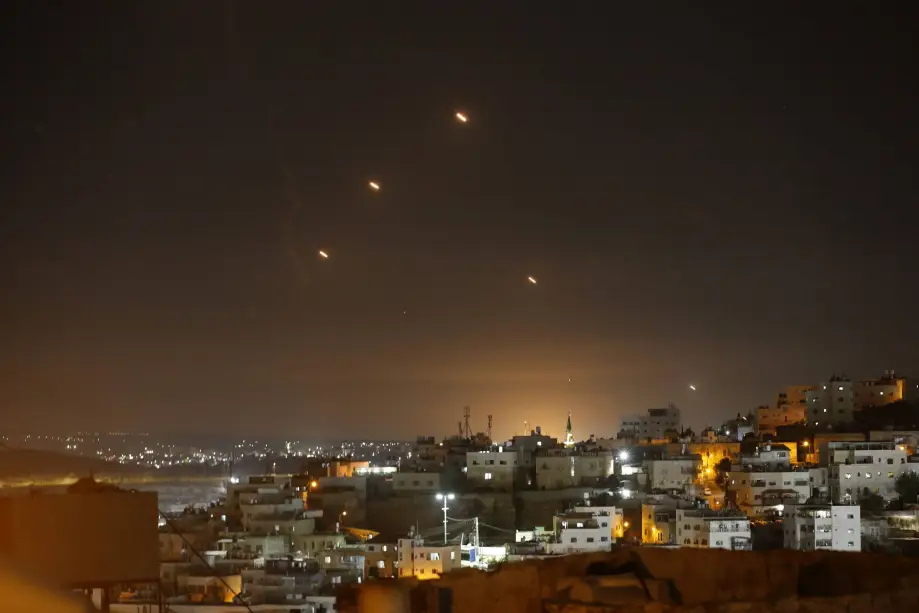
According to regional defense sources, missiles were reportedly launched from Iranian territory toward Israeli-controlled areas. Air raid sirens activated across parts of West Jerusalem, and defensive systems moved quickly to intercept the incoming threats.
The Israeli military confirmed that its defense shield detected and responded to the launch. While official casualty details remain limited, authorities emphasized that interception systems prevented significant damage.
The use of a long-range missile platform signals a serious escalation in strategic signaling.
The Role of Air Defense Systems
One of the most critical aspects of this incident was the rapid activation of Israel’s air defense network.
Systems such as the Iron Dome play a vital role in intercepting short- and medium-range projectiles. These systems calculate trajectories within seconds and deploy counter-missiles when necessary.
Air defense effectiveness significantly influences regional power balance. Successful interception reduces immediate damage but does not eliminate geopolitical consequences.
Why This Strike Matters
A direct strike attempt toward West Jerusalem carries enormous symbolic and political weight.
Jerusalem remains one of the most sensitive cities in global diplomacy. Any military action connected to it draws immediate international reaction from:
-
The United Nations
-
The United States
-
Regional Middle Eastern governments
Such events can rapidly increase Middle East tensions, influencing oil markets, security alliances, and diplomatic negotiations.
Strategic Implications
Ballistic missile capability represents long-range deterrence power. When deployed even in limited strikes it sends a calculated message.
Key implications include:
-
Testing defensive systems
-
Demonstrating military reach
-
Influencing negotiations
-
Strengthening domestic political messaging
In high-stakes regions, military signaling often carries layered meanings beyond immediate battlefield impact.
Risk of Escalation
Military analysts warn that even limited exchanges can trigger broader escalation cycles.
Possible scenarios include:
-
Retaliatory strikes
-
Proxy conflict expansion
-
Cyber warfare responses
-
Increased troop mobilization
The region has experienced multiple cycles of escalation in past decades. Diplomatic channels typically work behind the scenes to prevent sustained conflict.
The Information War
Beyond physical strikes, information warfare shapes public perception.
Social media platforms quickly filled with unverified footage, conflicting narratives, and political commentary. Responsible journalism and fact-checking play critical roles during such events.
In modern conflict, digital narratives can influence public opinion as much as physical action.
Global Reactions
International leaders urged restraint and called for de-escalation. Diplomatic statements emphasized stability and the importance of avoiding further military confrontation.
Energy markets also reacted cautiously, reflecting concerns about broader instability in the region.
Geopolitical analysts stress that long-term outcomes depend on diplomatic engagement rather than military retaliation.
The Broader Context
Iran and Israel have maintained a shadow conflict for years involving cyber operations, proxy engagements, and strategic deterrence. A ballistic missile incident marks a more visible and direct phase of confrontation.
However, historical patterns show that controlled responses often follow initial escalations to prevent full-scale war.
The situation remains fluid, and developments may shift rapidly.
Final Thoughts
The reported Iranian ballistic missile strike on West Jerusalem represents more than a military event it reflects the fragile balance of power in a highly sensitive region.
While air defense systems limited immediate damage, the broader geopolitical impact remains significant. Rising Middle East tensions require careful diplomatic management to prevent wider escalation.
In a rapidly evolving information landscape, verified reporting and thoughtful analysis matter more than ever.