The Middle East is once again at the center of global attention as Washington and Tehran exchange sharp warnings, fueling speculation about the direction of their already strained relationship. These developments have triggered renewed concern among diplomats, analysts, and global markets, all watching closely for signs of escalation or restraint.
At the heart of the issue lies a fragile geopolitical balance where even words can shift realities.
Why the Rhetoric Is Growing Sharper
Political messaging between the United States and Iran has historically played a major role in shaping regional dynamics. Recent statements from both sides suggest that patience is wearing thin, and strategic posturing is becoming more visible.
Such exchanges often serve dual purposes: signaling strength to domestic audiences while testing the resolve of the opposing side. However, this approach also increases uncertainty surrounding US-Iran relations.
Military Signals and Strategic Messaging
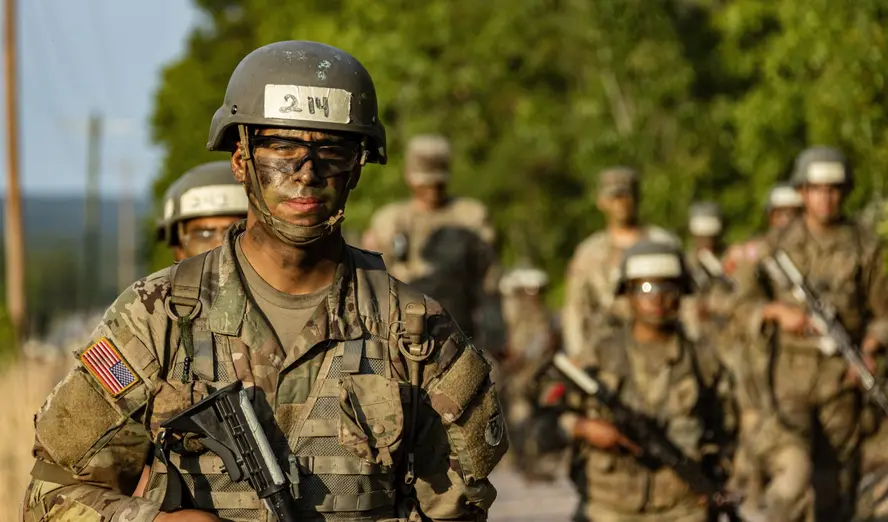
Beyond words, military movements and preparedness announcements frequently accompany heightened rhetoric. While these actions are often described as defensive, they can be interpreted as provocations depending on perspective.
This cycle of signaling and counter-signaling raises the risk of misunderstanding especially in a region where tensions have historically escalated quickly.
Iran’s Perspective and Regional Influence
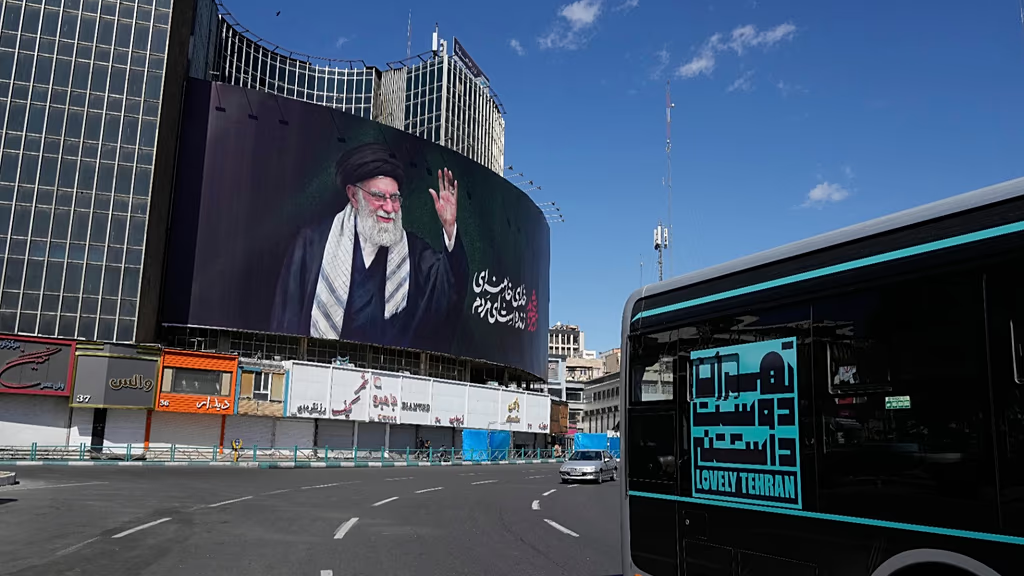
From Tehran’s viewpoint, warnings from Washington are often seen as pressure tactics rather than genuine attempts at dialogue. Iran continues to emphasize sovereignty and resistance to external influence while maintaining strategic alliances across the region.
These dynamics directly affect regional stability, as neighboring countries closely monitor how far tensions may spread beyond bilateral disputes.
Global Concerns and Economic Impact
International stakeholders are paying close attention. Any escalation in the Middle East has the potential to:
-
Disrupt global energy supplies
-
Increase oil and gas price volatility
-
Impact trade routes and shipping security
-
Heighten investor uncertainty
This is why developments in US-Iran relations rarely remain confined to the region.
Diplomacy vs. Confrontation
Despite the heated rhetoric, many experts believe both sides are still operating within controlled limits. Diplomatic backchannels, indirect negotiations, and international mediation continue to play a quiet but critical role.
History shows that while public warnings dominate headlines, behind-the-scenes diplomacy often determines outcomes.
What This Means for the Middle East
The broader Middle East remains vulnerable to spillover effects from major power rivalries. Proxy conflicts, political unrest, and economic pressures all make regional stability difficult to maintain when tensions rise between influential states.
For smaller nations in the region, the priority remains avoiding entanglement in a conflict they did not choose.
Final Thoughts
Rising tensions between Washington and Tehran highlight how fragile geopolitical balances can be. While war is not inevitable, the current atmosphere leaves little room for error.
Whether these warnings lead to renewed negotiations or deeper confrontation will depend on leadership decisions, diplomatic restraint, and the willingness to prioritize long-term stability over short-term posturing.
The world will be watching closely.