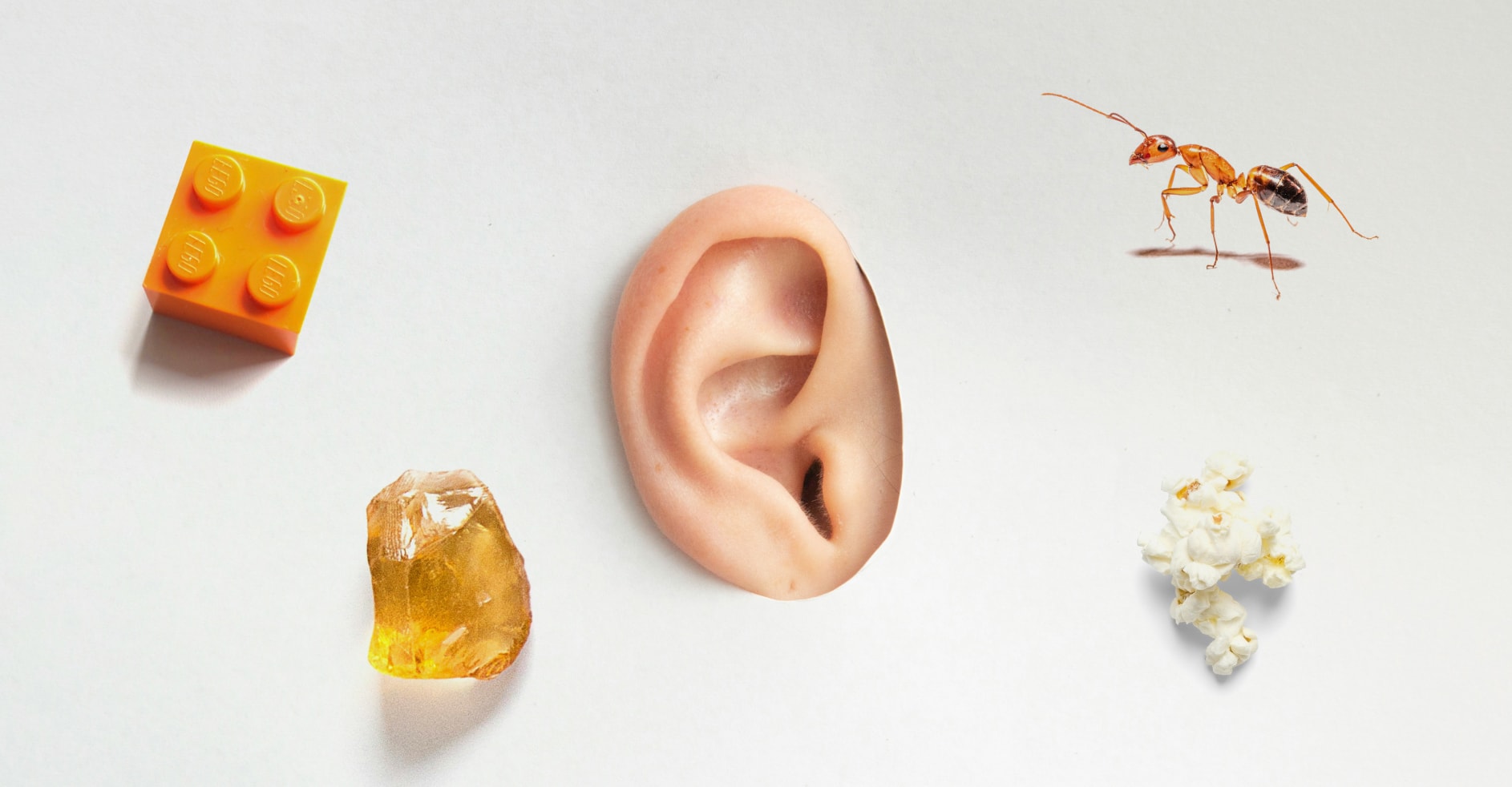
It may sound unbelievable, but there are tiny “stones” inside your ears right now. The Shocking Fact About Stones in Our Ears is that these microscopic crystals play a critical role in keeping you balanced every single day. Without them, standing, walking, or even turning your head could feel impossible.
These so-called stones are not rocks in the traditional sense. They are tiny calcium carbonate crystals located in a part of the inner ear that controls balance. When they function properly, you don’t even notice them. But when they move out of place, they can cause sudden dizziness and intense spinning sensations.
What Are Ear Stones?
The medical name for these tiny stones is otoconia, often referred to as ear crystals. They are located in the vestibular system of the inner ear specifically inside structures that detect motion and gravity.
The inner ear includes:
-
The semicircular canals
-
The utricle
-
The saccule
These components work together to maintain equilibrium. The ear crystals help your brain detect changes in head position. When you tilt your head, these crystals shift slightly, sending signals to your brain about movement.
This delicate system allows you to maintain balance without thinking about it.
The Real Shocking Fact
The truly shocking fact is that when these crystals become dislodged, they can trigger a condition called Benign Paroxysmal Positional Vertigo (BPPV).
BPPV is one of the most common causes of sudden dizziness. It occurs when displaced crystals move into the semicircular canals, confusing the brain about your body’s position.
Symptoms may include:
-
Sudden spinning sensation
-
Nausea
-
Loss of balance
-
Lightheadedness
-
Brief episodes of vertigo symptoms when turning your head
Even simple actions like rolling over in bed can cause the room to feel like it’s spinning.
Why Do Ear Crystals Move?
Several factors can cause crystals to shift out of place:
-
Aging (most common cause)
-
Head injury
-
Inner ear infections
-
Long periods of lying down
-
Sudden head movements
As we age, these calcium particles can naturally loosen. This is why vertigo symptoms are more common in older adults.
How Is It Treated?
The good news is that BPPV is treatable. Doctors often perform specific head movements known as canalith repositioning maneuvers, such as the Epley maneuver, to guide the crystals back to their correct position.
In many cases:
-
Treatment takes only minutes
-
Symptoms improve quickly
-
Surgery is rarely needed
However, if dizziness persists, it’s important to consult a healthcare professional.
When Should You See a Doctor?
While most cases are harmless, you should seek medical care if you experience:
-
Persistent vertigo symptoms
-
Hearing loss
-
Severe headache
-
Double vision
-
Weakness or numbness
These may indicate a different condition that requires urgent attention.
How the Inner Ear Keeps You Balanced
Your balance system is one of the most complex sensory systems in the body. It works together with:
-
Your eyes
-
Your muscles
-
Your brain
When ear crystals shift incorrectly, your brain receives mixed signals. That mismatch creates the spinning sensation many people describe during vertigo symptoms.
Understanding this mechanism helps remove fear from the experience. While it feels dramatic, it is often manageable and temporary.
Preventing Future Episodes
Although not always preventable, you can reduce your risk by:
-
Avoiding sudden head jerks
-
Treating ear infections promptly
-
Using protective gear during sports
-
Staying physically active to maintain balance strength
Gentle neck and balance exercises may also help.
Why This Topic Gets So Much Attention Online
Health-related topics naturally attract strong search traffic because people look for answers when symptoms appear. Articles covering the Shocking Fact About Stones in Our Ears can generate significant engagement especially when explained clearly and accurately.
For publishers aiming to increase website traffic, pairing high-quality medical content with content repurposing automated social media tools can dramatically expand reach. Transforming this article into short videos, health infographics, or carousel posts helps attract new readers across multiple platforms.
Smart distribution ensures your content doesn’t just rank it circulates.
Final Thoughts
The idea that you have tiny stones in your ears may sound alarming, but they are essential for balance. The Shocking Fact About Stones in Our Ears is not that they exist it’s that we rarely realize how crucial they are until something goes wrong.
If you experience vertigo symptoms, remember that most cases are treatable and manageable. Awareness is the first step toward relief.
For digital creators and health bloggers, combining medically accurate insights with content repurposing automated social media tools ensures stronger SEO performance, higher engagement, and sustainable traffic growth.
Understanding your body and sharing that knowledge effectively makes all the difference.