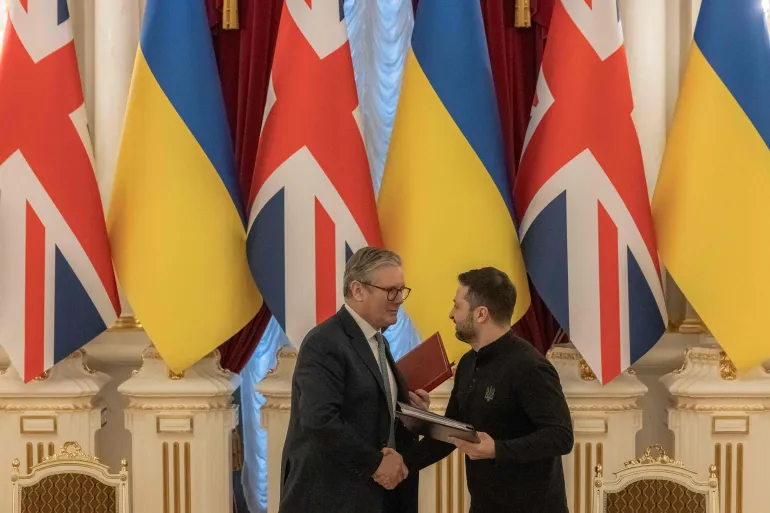
In recent years, UK foreign policy has taken a firm and strategic stance in response to the ongoing Russia-Ukraine conflict, positioning the United Kingdom as a key player in European security and global diplomacy. As tensions continue to reshape international relations, the UK’s approach reflects a blend of military support, economic sanctions, and diplomatic engagement.
This evolving strategy not only impacts the region but also influences global alliances, trade relationships, and the future of international security frameworks.
A Firm Stance Against Aggression
The UK has been one of the strongest supporters of Ukraine since the conflict escalated. From early diplomatic condemnation to ongoing military assistance, Britain has consistently aligned itself with Western allies in opposing Russian actions.
Key Actions Taken by the UK:
- Imposing economic sanctions on Russian entities
- Providing military aid and training to Ukrainian forces
- Supporting international resolutions and condemnations
- Strengthening NATO cooperation
This approach reflects a commitment to defending sovereignty and maintaining global order.
Economic Sanctions as a Strategic Tool
Sanctions have been a central pillar of the UK’s response. By targeting key sectors of the Russian economy such as banking, energy, and defense the UK aims to limit Russia’s financial capabilities.
These measures include:
- Freezing assets of individuals and organizations
- Restricting access to international financial systems
- Limiting trade in critical goods and services
While sanctions have economic consequences globally, they remain a key tool in applying pressure without direct military confrontation.
Military Support and Defense Strategy
Beyond economic measures, the UK has played a significant role in strengthening Ukraine’s defense capabilities. This includes providing weapons, intelligence support, and military training.
The goal is not only to assist Ukraine but also to deter further escalation and maintain regional stability.
At the same time, the UK has reinforced its own defense posture, increasing military readiness and working closely with NATO partners.
Diplomatic Efforts and Global Influence
Diplomacy remains a crucial element of the UK’s foreign policy. The country continues to engage with allies, international organizations, and neutral states to build a unified response to the crisis.
Efforts include:
- Coordinating with European and North American allies
- Engaging in international peace discussions
- Supporting humanitarian aid initiatives
- Promoting global cooperation on security issues
Through these actions, the UK aims to maintain its influence as a global diplomatic leader.
Challenges and Criticism
Despite its strong stance, the UK’s approach has faced challenges:
- Economic impact of sanctions on domestic markets
- Rising energy costs and inflation
- Balancing military support with escalation risks
- Managing long-term diplomatic relations
These factors highlight the complexity of modern foreign policy decisions.
The Future of UK Foreign Policy
Looking ahead, the UK’s strategy will likely continue to evolve based on developments in the conflict and shifting global dynamics. Key priorities may include:
- Strengthening alliances and defense partnerships
- Adapting sanctions strategies
- Supporting reconstruction efforts in Ukraine
- Navigating relations with other global powers
The outcome of this conflict will shape not only regional stability but also the future direction of international diplomacy.
Conclusion
The UK’s response to the Russia-Ukraine conflict demonstrates how modern UK foreign policy operates in a complex and interconnected world. Through a combination of sanctions, military support, and diplomacy, the UK is actively shaping the global response to one of the most significant geopolitical crises of our time.
As the situation continues to evolve, the UK’s role will remain critical in influencing both regional outcomes and the broader international order.