In a major geopolitical development, former U.S. President Donald Trump announced that the United States has extended its ceasefire with Iran to allow more time for negotiations and diplomatic progress. The move comes at a critical moment, as tensions remain high over Iranian ports and concerns about a possible extention of war continue to grow.
The decision reflects a temporary shift from military action toward diplomacy, even as both sides remain cautious and prepared for escalation.
Why the Ceasefire Was Extended
Trump’s decision to extend the ceasefire was largely aimed at giving Iran time to present a unified proposal and engage in further talks. Reports indicate that international mediation efforts played a key role in delaying military action.
Key reasons include:
- Allowing diplomatic negotiations to continue
- Reducing immediate military confrontation
- Giving Iran time to respond with a formal proposal
- Avoiding rapid escalation into broader conflict
This strategic pause highlights how global powers often use ceasefires to manage crises rather than resolve them instantly.
Tensions Around Iranian Ports
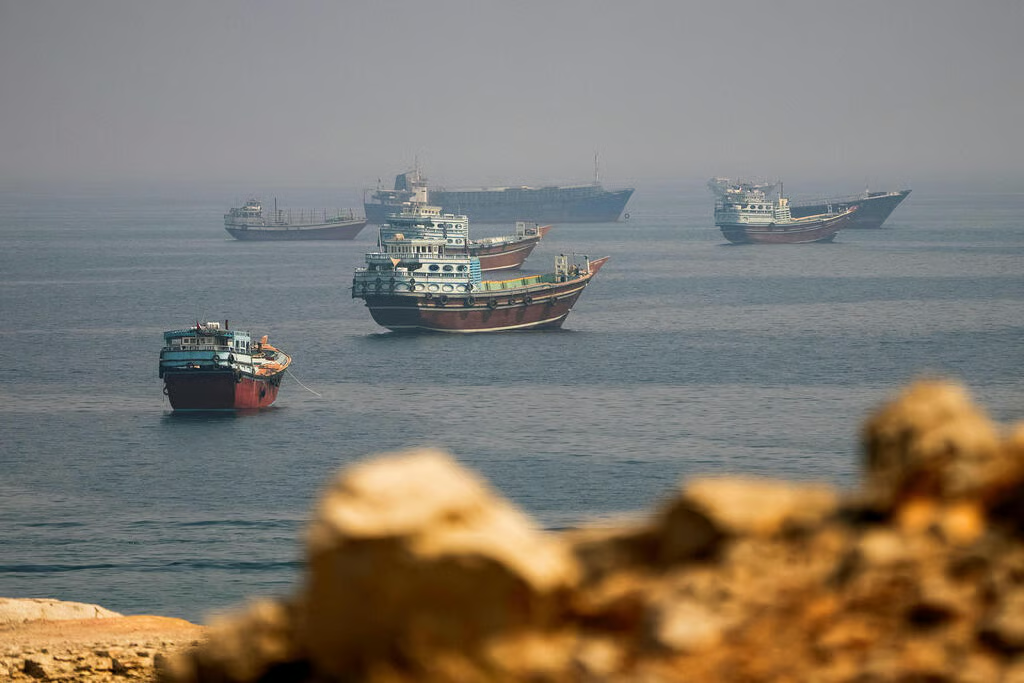
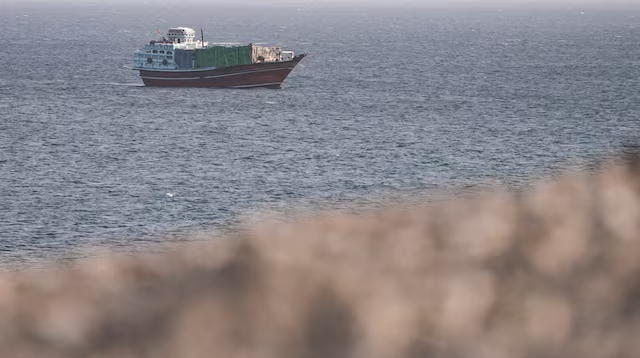
One of the most critical issues in the conflict is the ongoing pressure on Iranian ports. The U.S. has maintained a military blockade, limiting Iran’s access to key maritime routes and trade flows.
This situation has led to:
- Disruption of shipping and trade operations
- Increased economic pressure on Iran
- Rising tensions in the Strait of Hormuz
- Strong reactions from Iranian leadership
Control over Iranian ports is not just an economic issue it is a strategic tool that directly influences the balance of power in the region.
Risk of Extention of War
Despite the ceasefire, fears of an extention of war remain high. Analysts warn that if negotiations fail, the conflict could quickly resume and escalate further.
Key concerns include:
- Breakdown of ongoing diplomatic talks
- Military readiness on both sides
- Regional alliances becoming involved
- Escalation into a broader Middle East conflict
Some officials have even suggested that the ceasefire could be temporary, with the possibility of renewed military action if no agreement is reached.
Global Impact of the Ceasefire Decision
The extension of the ceasefire has implications far beyond the United States and Iran.
Major global effects include:
- Stabilization of oil markets in the short term
- Reduced immediate risk of regional conflict
- Increased diplomatic engagement from third-party nations
- Continued uncertainty in global security dynamics
The situation remains fragile, with diplomacy and military strategy closely intertwined.
What Happens Next?
The future of the ceasefire depends on Iran’s response and the success of ongoing negotiations. If a deal is reached, it could ease tensions significantly. However, failure could lead to a rapid extention of war, reversing any progress made.
Observers are closely watching:
- Iran’s diplomatic response
- U.S. military positioning
- Mediation efforts by global partners
- Developments around Iranian ports and trade routes
Conclusion
Trump’s decision to extend the ceasefire reflects a calculated effort to balance diplomacy and military pressure. While it provides a window for negotiation, unresolved issues surrounding Iranian ports and the risk of extention of war continue to cast uncertainty over the region.
The coming days will be critical in determining whether this pause leads to peace or simply delays further conflict.