The US‑Israel war has entered a pivotal phase with joint military strikes against Iran’s strategic infrastructure and leadership, triggering a fierce Iran reaction that could reshape the Middle East’s geopolitical future.
Background: How It Started
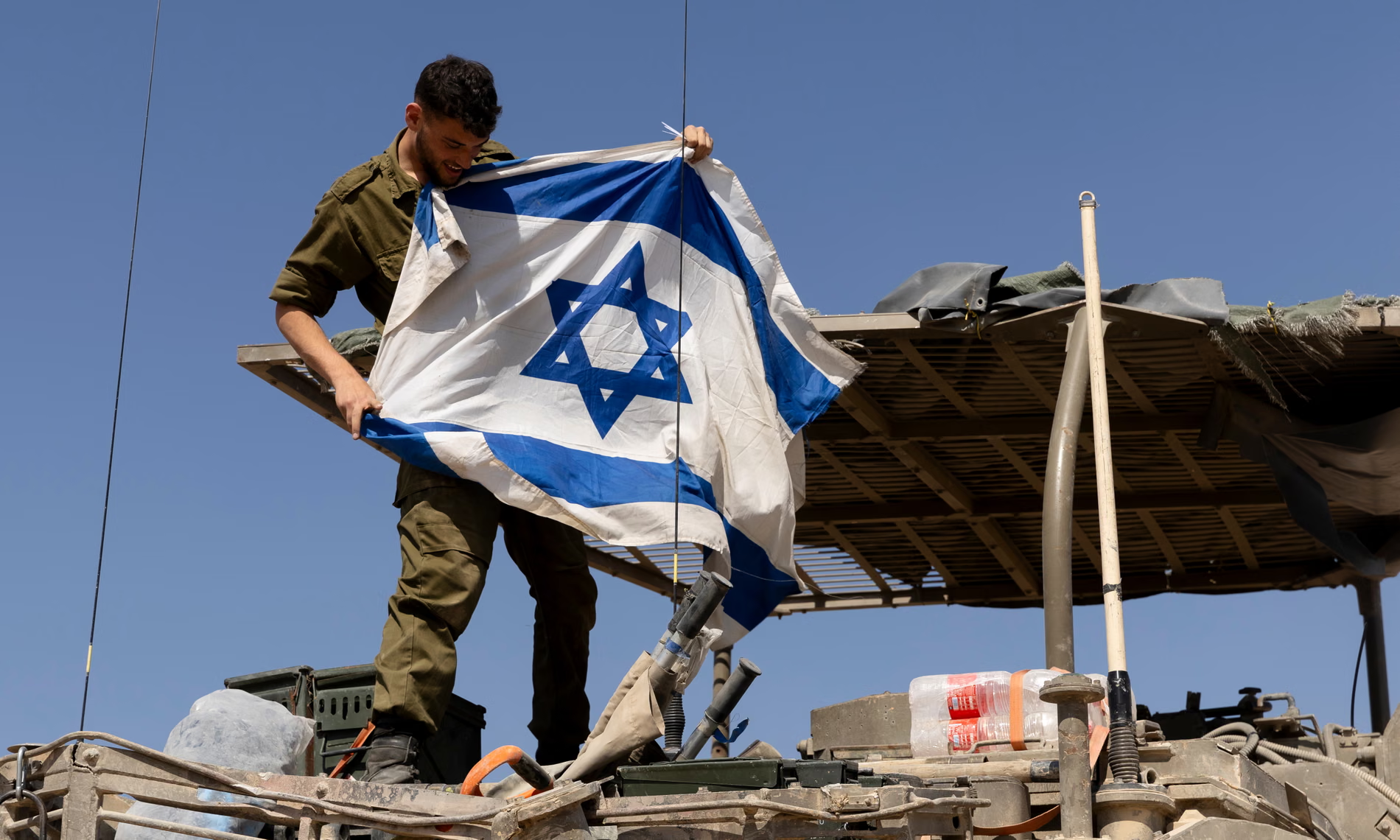
On February 28, 2026, the United States and Israel launched a coordinated offensive targeting Iranian military and nuclear sites. These strikes, described by some analysts as Operation Lion’s Roar, aimed to degrade Iran’s capability to threaten regional allies and halt nuclear ambitions.
Surprise Escalation
-
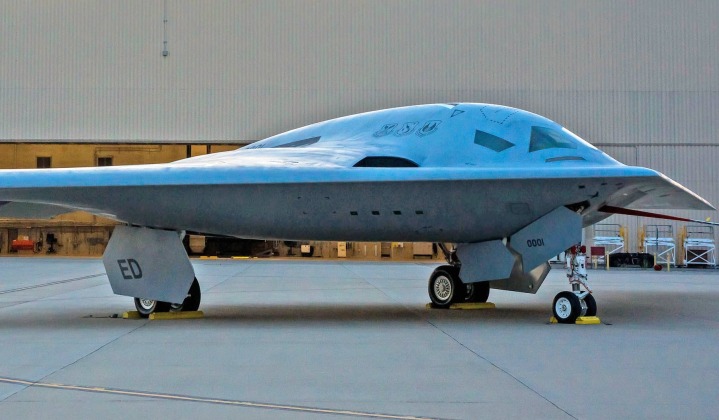
The offensive included air and missile strikes deep into Iranian territory.
-
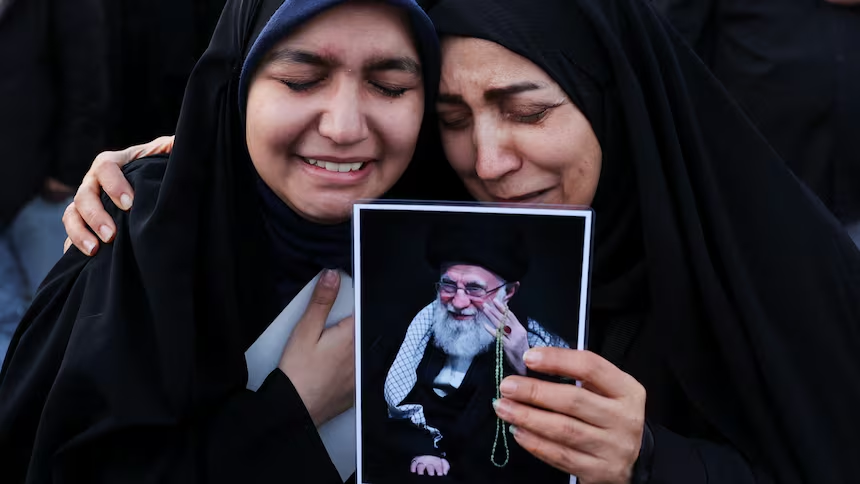
Iran’s Supreme Leader, Ayatollah Ali Khamenei, was reportedly killed in the attack a development that has shocked Tehran and the broader Muslim world.
Iran’s Strategic Response
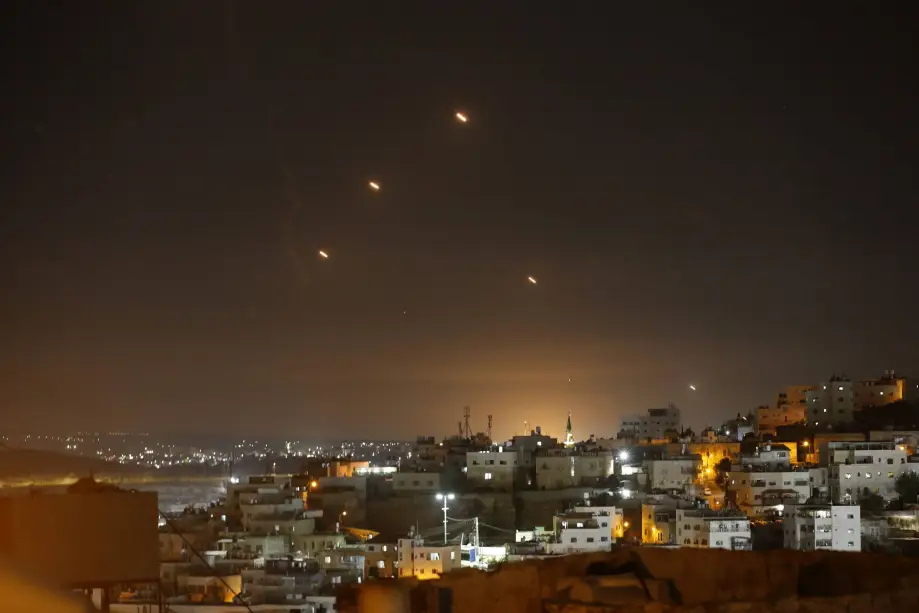
In the immediate aftermath, Iran’s government condemned the assault, calling it a blatant violation of international norms and an act of aggression. Tehran responded with missiles and drones aimed at Israeli cities, as well as strikes on U.S. bases in the Gulf region.
Iranian President Masoud Pezeshkian has publicly vowed revenge, describing retaliation as a “legitimate duty.” This hardened stance signals danger of prolonged conflict rather than swift de‑escalation.
Regional and Global Reactions
The conflict is not isolated its impact reverberates worldwide:
-
European leaders have called for “maximum restraint” and respect for humanitarian law.
-
Gulf nations like Saudi Arabia have condemned Iranian attacks, escalating diplomatic tensions.
-
United Nations officials urge all parties to avoid a larger war that could devastate civilians.
Public demonstrations have erupted globally, especially among pro‑Iranian and anti‑war groups, with protests demanding an end to hostilities and an immediate ceasefire.
Economic and Strategic Consequences
The disruption has already affected critical global infrastructure, particularly the Strait of Hormuz, a vital maritime chokepoint for world energy supplies. Iran’s threats to restrict shipping through the strait have caused maritime traffic declines and stirred worries about oil price volatility.
What Comes Next
Military Trajectory
With Tehran explicitly promising retaliation and global powers divided on approach, conflict dynamics could intensify or evolve into prolonged proxy engagements across the Middle East.
Diplomacy and Peace Efforts
International diplomatic pressure is mounting, but fear persists that without urgent talks, the situation may spiral beyond the region. Effective diplomacy should prioritize civilian safety and international law compliance.
Conclusion: A Turning Point in Middle East History
The US‑Israel war and Iran reaction represent a seismic shift in geopolitical relations, with consequences stretching far beyond national borders. How this conflict unfolds will have lasting implications for peace, stability, and global energy and security systems.