Military service has always played an important role in American history. From major world conflicts to modern security challenges, the United States has relied on both volunteer forces and, in earlier periods, draft systems to maintain national defense.
Recently, discussions about the possibility of a future draft have resurfaced in political conversations and media debates. These discussions often focus on global alliances, defense strategies, and the responsibilities connected to national security.
Understanding the US Military Draft
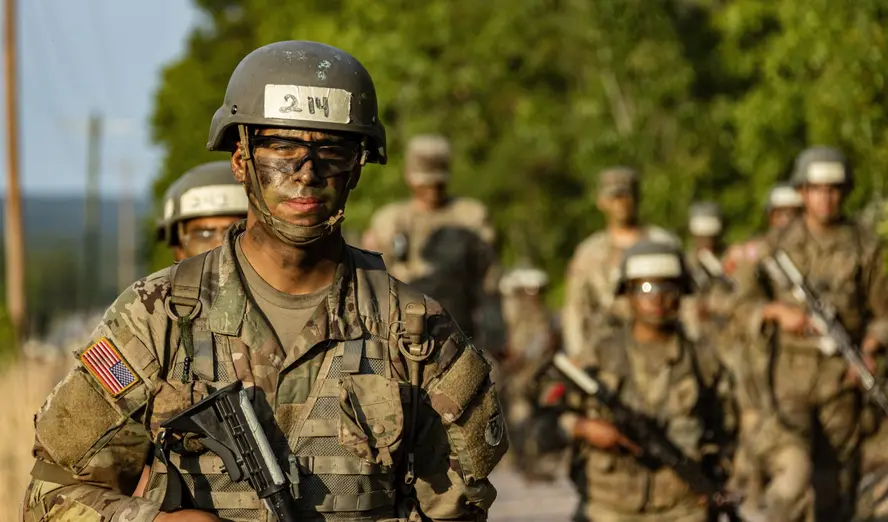
The US military draft refers to a system where citizens can be required by law to serve in the armed forces during national emergencies. While the United States currently operates with an all-volunteer military, the Selective Service system still exists to register eligible individuals in case a draft becomes necessary.
Historically, drafts were used during major conflicts such as World War II and the Vietnam War. Today, policymakers continue to debate whether such systems remain relevant in modern military strategy.
The Role of Global Alliances
Another key factor in the debate is the strength of international partnerships. The United States maintains strategic relationships with many countries around the world, including strong cooperation with Israel.
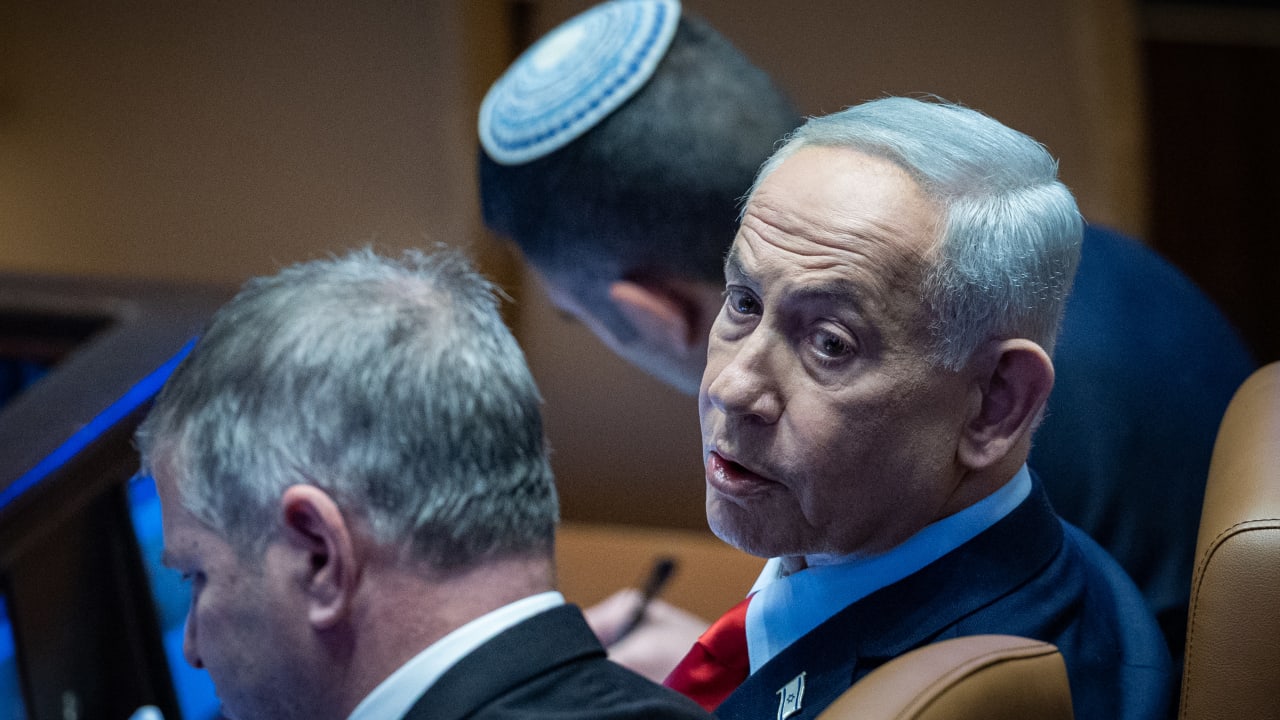
These partnerships form part of broader US Israel relations, which include defense cooperation, intelligence sharing, and diplomatic coordination in the Middle East.
Because global security issues often involve allied nations, discussions about military commitments sometimes expand into debates about the responsibilities that come with international alliances.
Political Debate and Public Opinion
Any discussion about reinstating a draft quickly sparks strong reactions from the public. Some people believe a draft system could strengthen national unity and ensure a larger military force during crises.
Others argue that modern professional armies are more effective and that a volunteer system allows individuals to choose military service freely.
These debates often connect to larger questions about defense policy, military readiness, and the future role of the US military draft.
How Alliances Influence Defense Strategy
International alliances remain one of the most important aspects of global security planning. Partnerships such as US Israel relations influence diplomatic decisions, military cooperation, and regional stability.
When tensions rise in sensitive regions, discussions about defense commitments often reappear in political dialogue and strategic planning.
Looking Toward the Future
Defense experts believe that future security challenges may look very different from past conflicts. Cyber warfare, advanced technology, and multinational coalitions now shape modern military strategies.
As a result, policymakers continue to examine how military systems including potential draft policies could adapt to changing global conditions.
Final Thoughts
The debate surrounding military service and international alliances highlights the complexity of modern geopolitics. While the United States currently relies on a volunteer military, discussions about defense readiness and strategic partnerships remain important.
Understanding topics like the US military draft and US Israel relations helps citizens follow ongoing policy discussions and the evolving nature of global security.