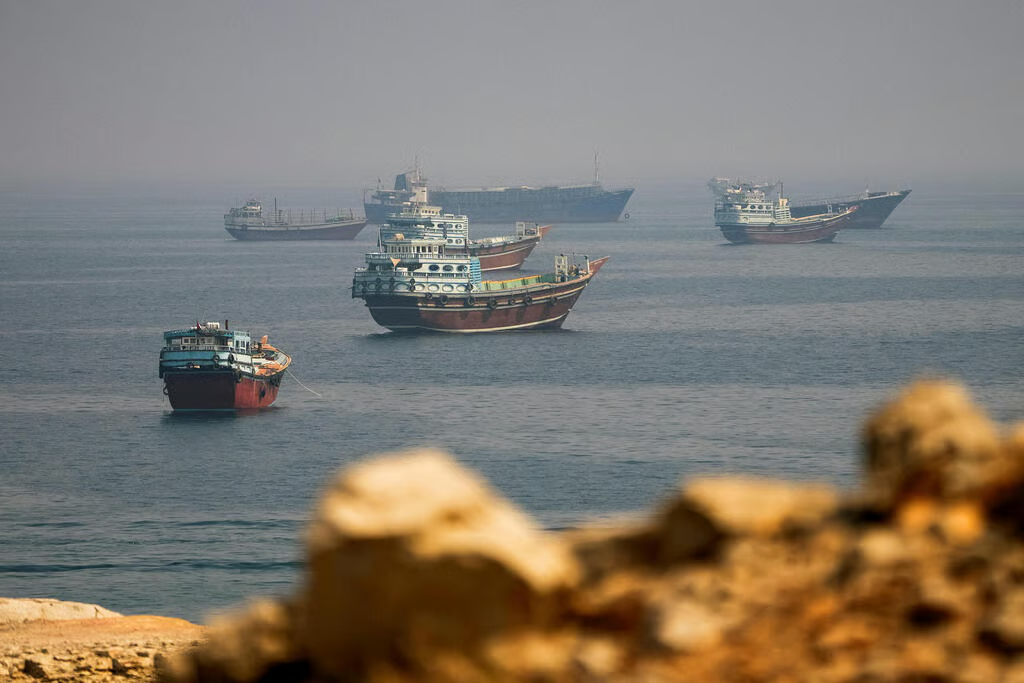
The Strait of Hormuz remains one of the world’s most strategically important maritime corridors, carrying a significant share of global oil and liquefied natural gas exports. As regional tensions continue to shape security planning, reports indicate that the U.S. Navy is closely monitoring Iran’s fast-attack boats operating in and around the narrow waterway.
Military officials routinely observe naval movements in the Gulf to ensure freedom of navigation and reduce the risk of unintended incidents. While encounters between naval forces in the region are not unusual, every development in the Strait of Hormuz attracts international attention because of its importance to global trade, energy supplies, and regional stability.
The situation highlights the continuing balance between military readiness and diplomatic efforts to prevent escalation.
Why the Strait of Hormuz Is Strategically Important
The Strait of Hormuz connects the Persian Gulf to the Gulf of Oman and the Arabian Sea. It serves as one of the busiest maritime chokepoints in the world.
Its importance includes:
- A major route for global oil exports
- Key shipping lane for liquefied natural gas
- Vital connection between Gulf producers and international markets
- Strategic importance for global energy security
Any disruption in this corridor can quickly influence energy prices and international shipping.
Understanding Iran’s Fast-Attack Boats
Fast-attack boats are small, highly maneuverable naval vessels designed for coastal operations. They are generally equipped for rapid movement and can operate effectively in narrow waterways.
Military analysts note that these vessels are often used for:
- Maritime patrols
- Coastal defense
- Surveillance missions
- Rapid-response operations
- Naval exercises
Their speed and agility make them well suited for operating in confined maritime environments.
Why the U.S. Navy Is Monitoring the Area
The U.S. Navy maintains a regular presence in the region to support maritime security and protect commercial shipping.
Its objectives include:
- Monitoring naval activity
- Supporting freedom of navigation
- Protecting international shipping routes
- Reducing the risk of maritime incidents
- Cooperating with regional partners
Naval patrols are a routine component of broader regional security operations.
Regional Security Concerns
Security in the Gulf affects far more than neighboring countries.
Potential implications include:
Energy Markets
Oil prices often react to developments in the <mark>Strait of Hormuz</mark> because of its role in global energy transportation.
International Shipping
Commercial vessels rely on safe and uninterrupted passage through the waterway.
Diplomatic Relations
Maritime incidents can increase diplomatic engagement as governments work to prevent misunderstandings.
Military Preparedness and De-escalation
Defense experts emphasize that monitoring activities do not necessarily indicate an imminent conflict.
Modern naval operations focus on:
- Situational awareness
- Communication
- Navigation safety
- Risk reduction
- Professional interaction between vessels
These measures help reduce the likelihood of accidental escalation.
Global Economic Impact
Events involving the Strait of Hormuz can influence:
- Global oil prices
- Shipping insurance costs
- Financial markets
- Supply chains
- Investor confidence
Because of these economic connections, governments and businesses closely follow maritime developments in the Gulf.
The Role of Diplomacy
While military forces maintain readiness, diplomacy remains the preferred path for addressing regional disputes.
International efforts continue to focus on:
- Maritime security cooperation
- Confidence-building measures
- Open communication
- Respect for international law
- Peaceful dispute resolution
Dialogue remains essential for reducing long-term risks.
Looking Ahead
Observers expect the U.S. Navy and regional naval forces to continue routine monitoring of maritime activity.
Future developments will depend on:
- Official government statements
- Regional diplomatic initiatives
- Maritime security conditions
- International cooperation
Maintaining stability in the Gulf remains a priority for many nations.
Conclusion
The continued monitoring of Iran’s fast-attack boats in the Strait of Hormuz reflects the strategic importance of one of the world’s busiest maritime corridors. Although military vigilance remains essential, diplomacy and responsible communication continue to play the most important role in preventing unnecessary escalation.
As global trade and energy supplies rely heavily on secure shipping routes, maintaining stability in the Strait of Hormuz remains a shared international interest.