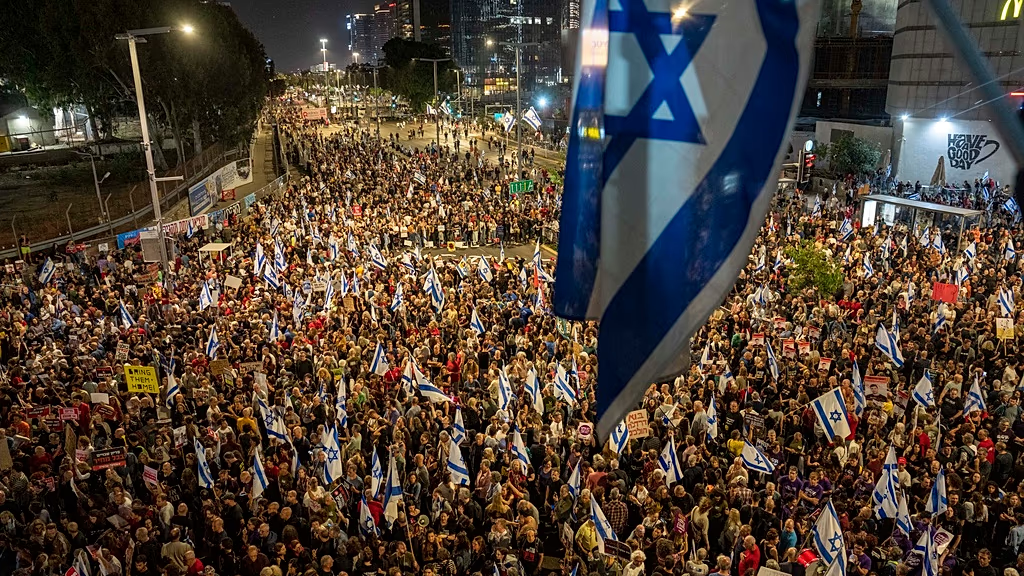
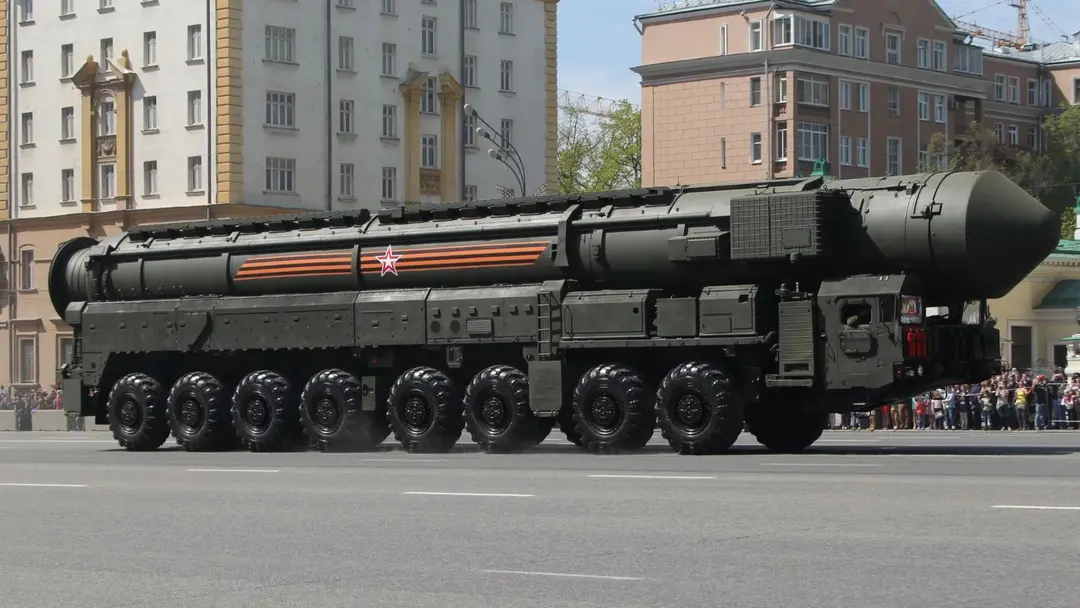
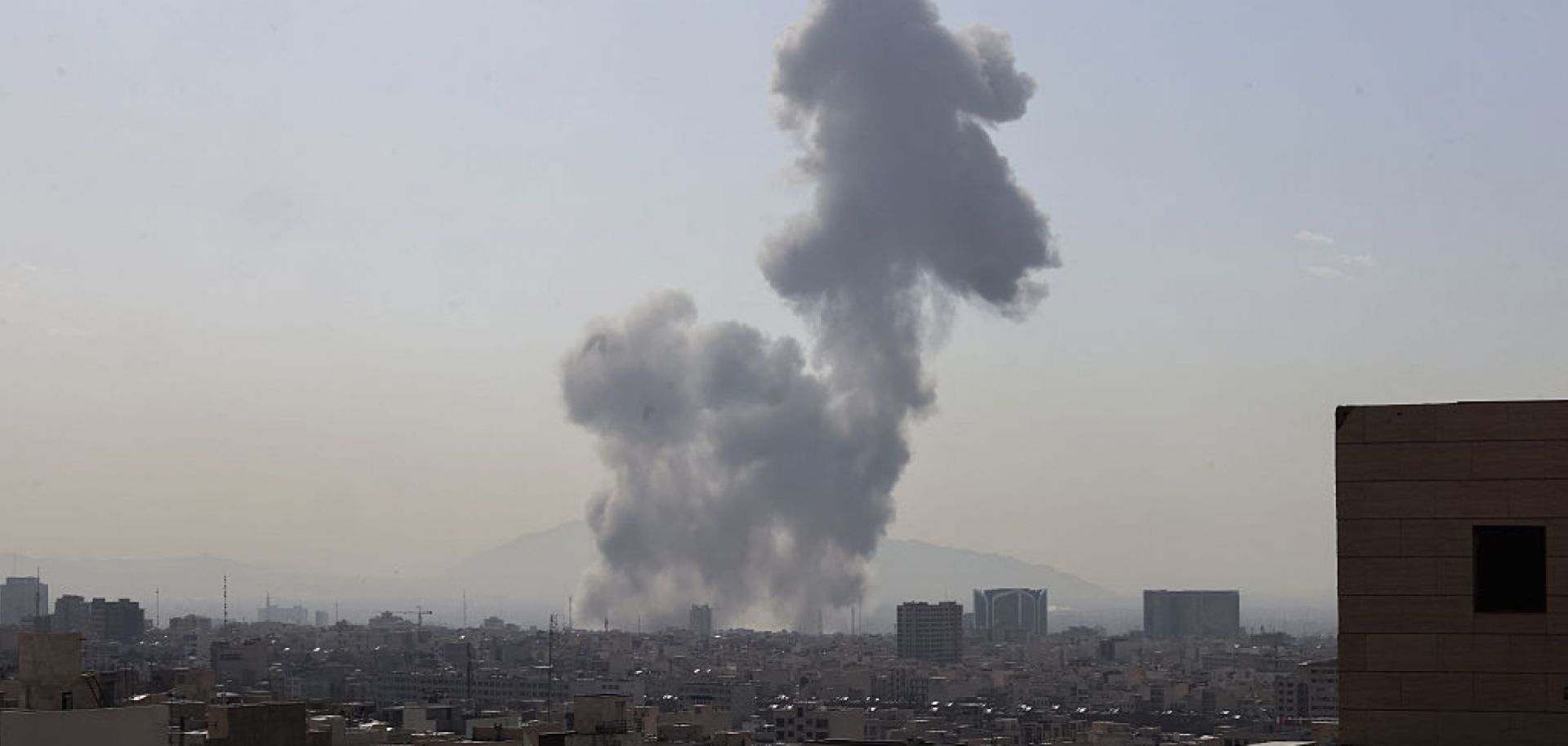
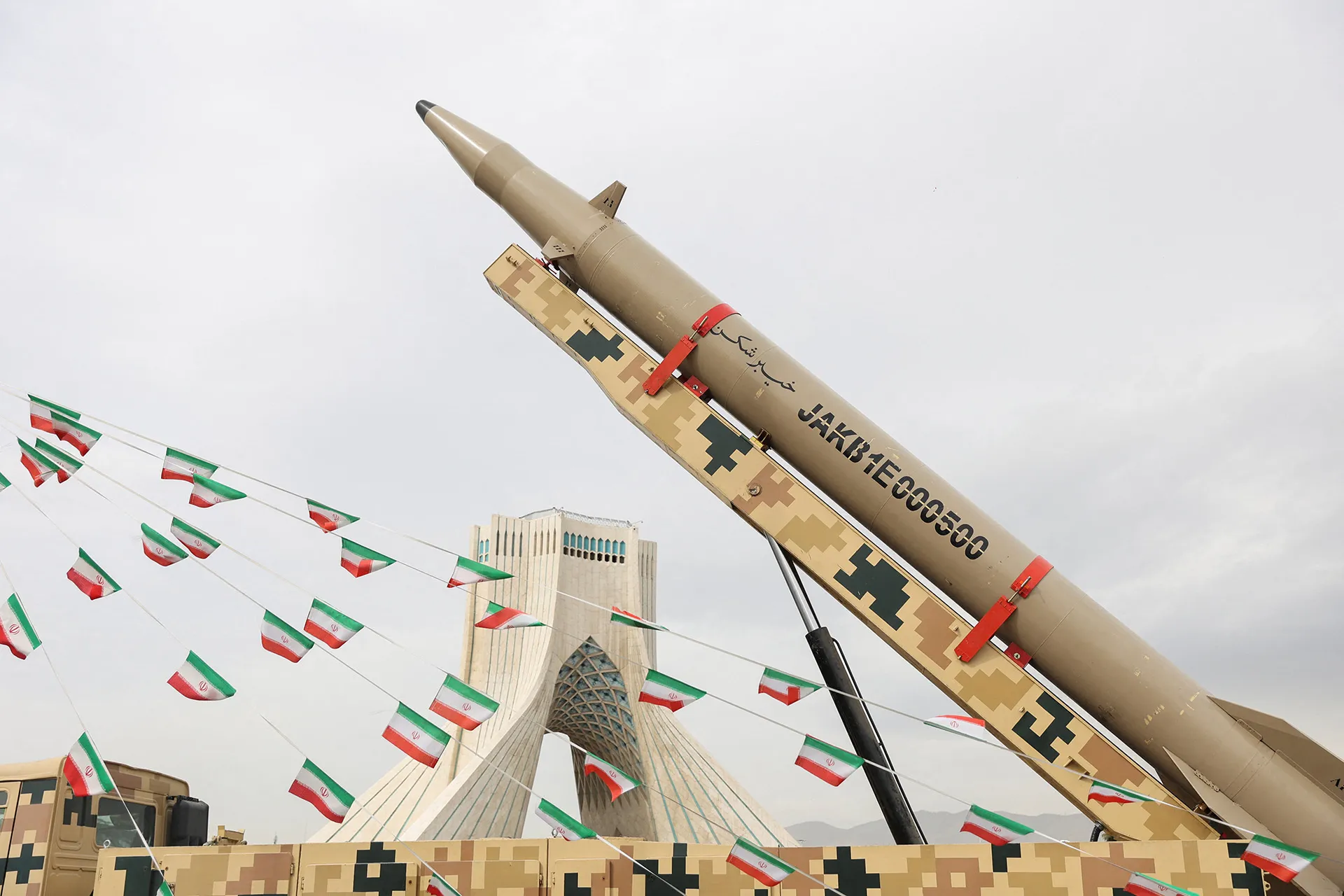
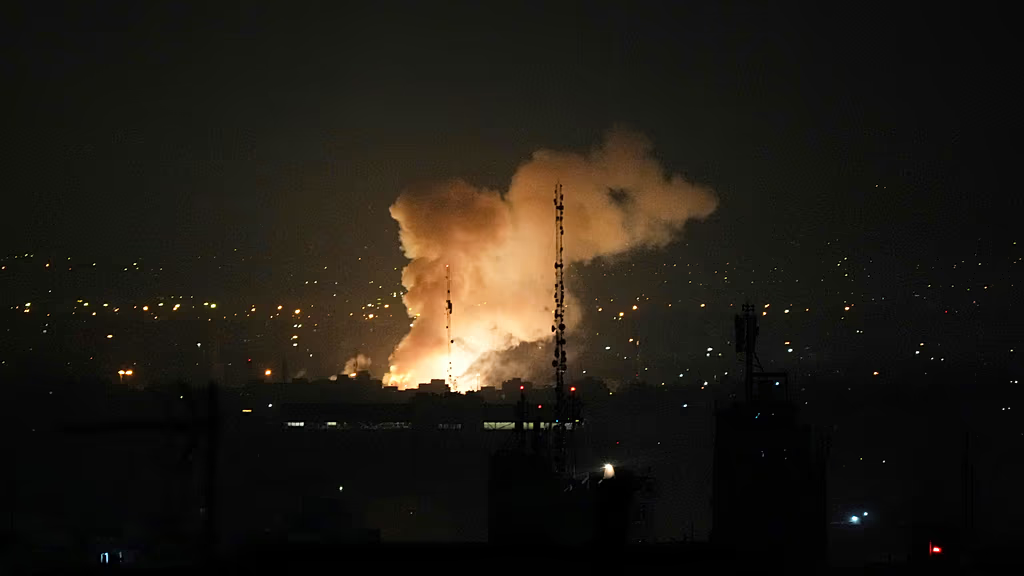
Wars and geopolitical conflicts often affect more than just the countries directly involved. One of the most immediate global impacts is disruption in energy supply. In recent times, tensions and military conflicts in key regions have raised serious concerns about the availability of fuel around the world.
Many experts warn that a petrol shortage could become a major challenge if conflicts continue to disrupt oil production and transportation routes. As countries rely heavily on petroleum for transportation, industry, and electricity generation, even small disruptions can create widespread economic pressure.
How War Disrupts Oil Supply
Modern energy markets depend on stable supply chains. Oil travels through pipelines, tankers, and major shipping routes before reaching refineries and fuel stations. When war breaks out in oil-producing regions or near major shipping lanes, these supply chains can become unstable.
Military activity, sanctions, and political uncertainty often reduce oil production or delay transportation. As a result, the global fuel supply becomes limited, forcing countries to compete for available resources.
Rising Fuel Prices Around the World
One of the first signs of supply disruption appears in rising fuel prices. When global supply decreases while demand remains high, the cost of petrol increases rapidly.
Higher fuel prices affect transportation costs, shipping industries, and even food production. Farmers, manufacturers, and delivery companies all depend on fuel to keep operations running. When petrol becomes expensive or scarce, the entire economic system feels the pressure.
Impact on Everyday Life
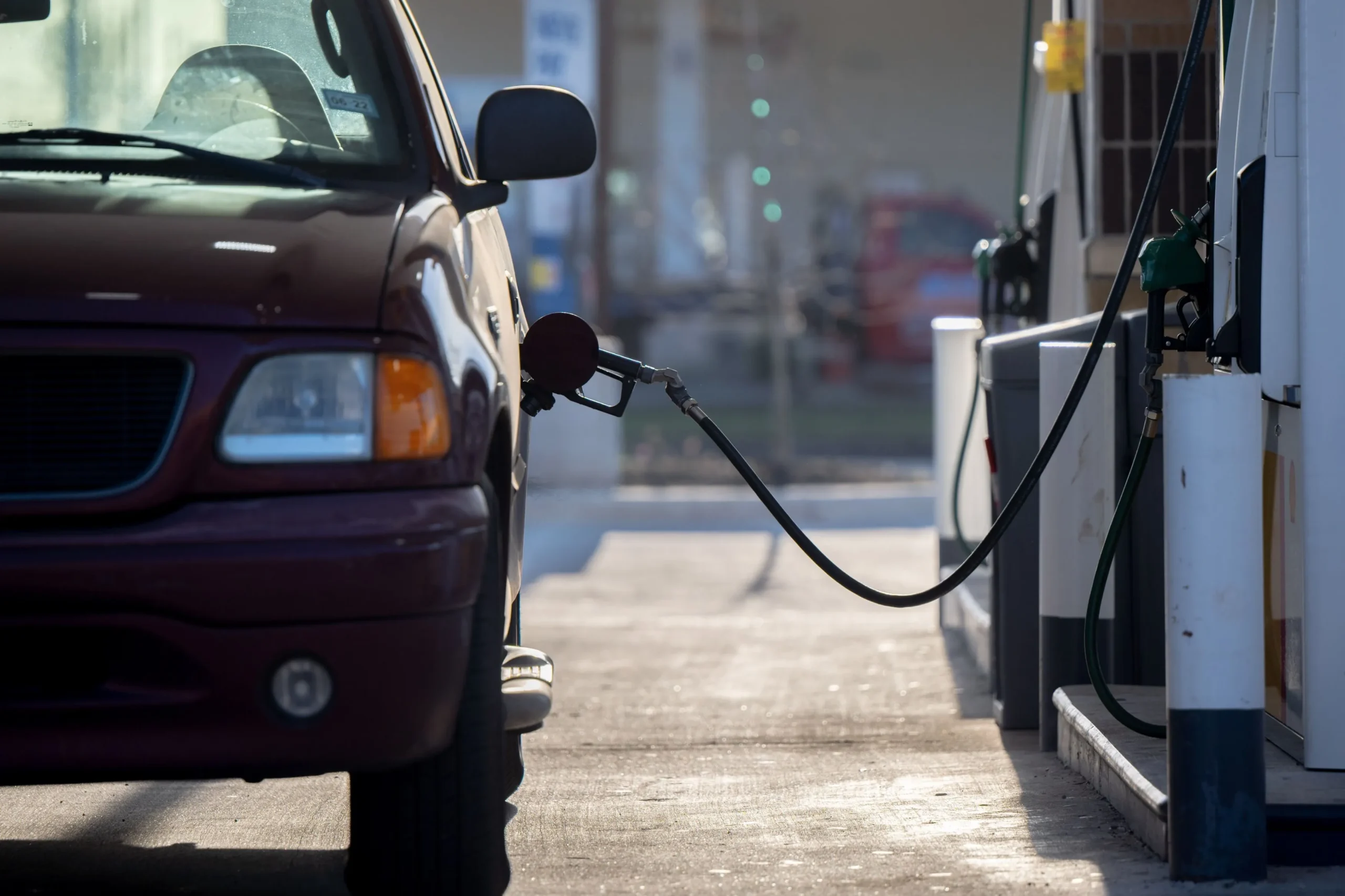
For ordinary people, a petrol shortage can lead to longer lines at fuel stations, increased transportation costs, and higher prices for everyday goods. Public transportation systems may also face operational challenges if fuel costs rise significantly.
In many countries, governments try to stabilize the situation by releasing strategic oil reserves or adjusting fuel policies. These measures help reduce immediate pressure, but long-term stability depends on resolving the underlying conflicts affecting supply.
The Role of Global Cooperation
Energy experts believe international cooperation plays an important role in managing fuel shortages. Countries often coordinate through global organizations to stabilize oil markets and maintain steady supply levels.
Diplomatic efforts and negotiations can also help reduce tensions that threaten key energy routes. Maintaining open trade channels and ensuring safe transportation corridors remain essential for global energy security.
Final Thoughts
The possibility of a global petrol shortage highlights how deeply the world depends on stable energy supplies. Conflicts in critical regions can quickly affect economies, industries, and daily life around the globe.
Understanding the link between war and energy markets helps people recognize the importance of peace, cooperation, and responsible resource management in maintaining global stability.