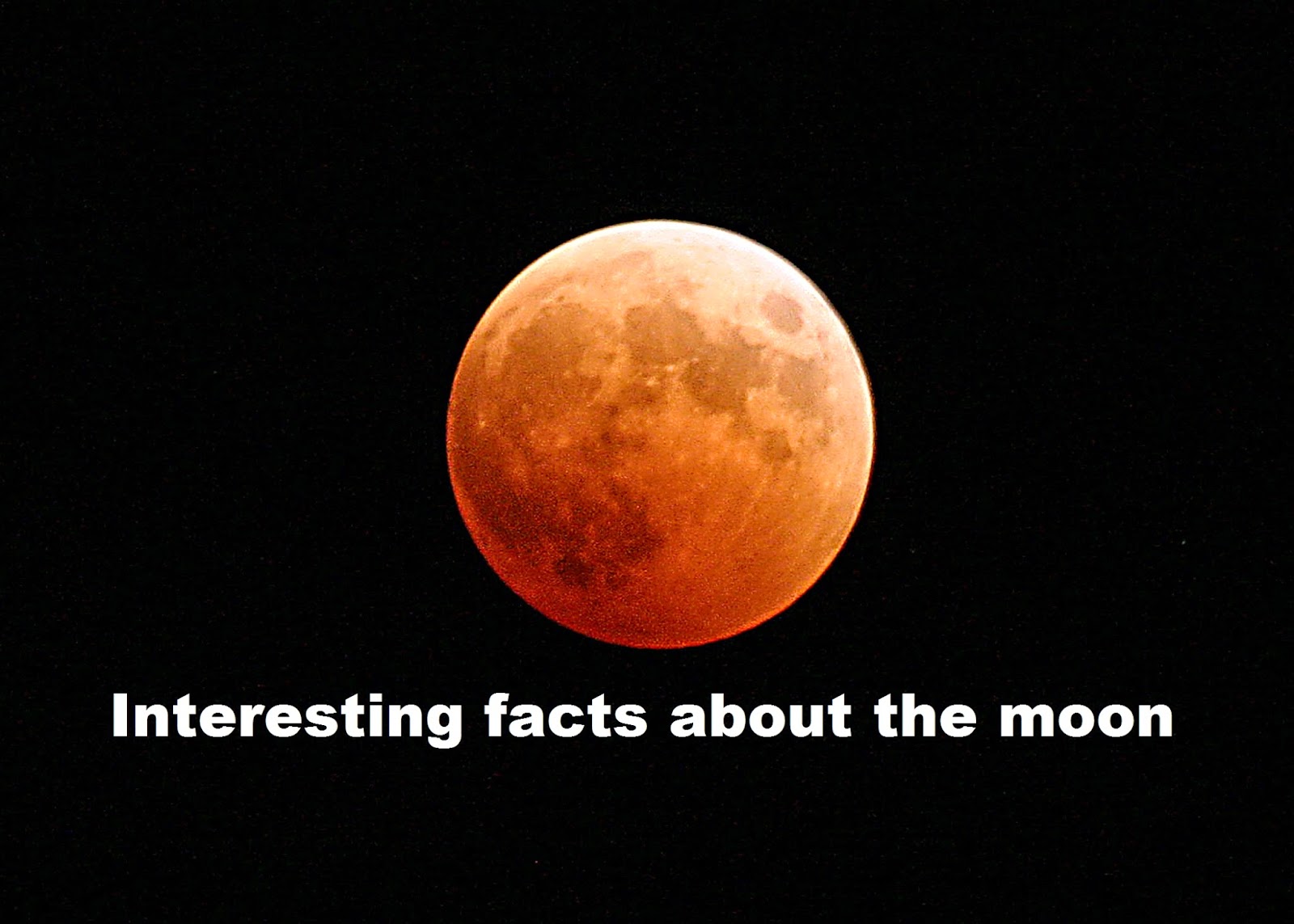
The Moon shines quietly in the night sky, yet its presence influences daily life on Earth in powerful ways. Many people admire its beauty, but few realize how deeply it connects to nature, science, and human survival. From stabilizing our planet to guiding natural cycles, the Moon plays a silent but critical role.
Understanding the importance of the moon helps us appreciate how connected our world is to space.
The Moon Controls Earth’s Oceans
First of all, the Moon drives ocean tides. Its gravity pulls on Earth’s water and creates high and low tides every day. These tides support marine ecosystems, fishing industries, and coastal environments.
Without these tidal movements, ocean life would struggle. Therefore, the moon effects on earth directly support biodiversity and food systems.
The Moon Stabilizes Earth’s Climate
Moreover, the Moon keeps Earth’s tilt stable. That tilt controls seasons and climate patterns. If the Moon did not exist, Earth could wobble unpredictably.
Such instability would cause extreme weather changes. Agriculture, wildlife, and human life would face serious challenges. This fact alone shows the strong importance of the moon for long-term survival.
The Moon Influences Natural Rhythms
In addition, many natural cycles follow lunar phases:
Animal migration
Coral spawning
Farming traditions
Cultural calendars
Nighttime ecosystems
These rhythms prove that the moon effects on earth extend beyond oceans and into biological systems.
The Moon Inspires Human Culture
Throughout history, the Moon shaped myths, calendars, poetry, and traditions. Many civilizations used lunar calendars to track time. Festivals and rituals often align with full moons.
This cultural influence shows that the importance of the moon touches both science and human emotion.
What Would Happen Without the Moon?
If the Moon suddenly disappeared:
-
Tides would weaken
-
Climate would destabilize
-
Days might shorten
-
Ecosystems would shift
-
Planetary balance would change
Clearly, the moon effects on earth protect the stability we often take for granted.
Final Thoughts
The Moon does far more than light the night sky. It quietly protects Earth’s balance, supports ecosystems, and guides natural cycles. When we look up at the Moon, we actually see a partner in Earth’s survival.
Recognizing the importance of the moon helps us value our planet even more. The Moon remains a constant guardian in space, shaping life on Earth every single day.