Many people wonder about this question because it sounds logical at first. If humans evolved, then why do monkeys still live on Earth today? However, this question starts from a misunderstanding about how evolution works.
Evolution does not move in a straight line. Instead, it works like a branching tree. Different species adapt to different environments, and therefore they survive in different ways. Some change, some remain similar, and some disappear.
Did Humans Really Come From Monkeys?
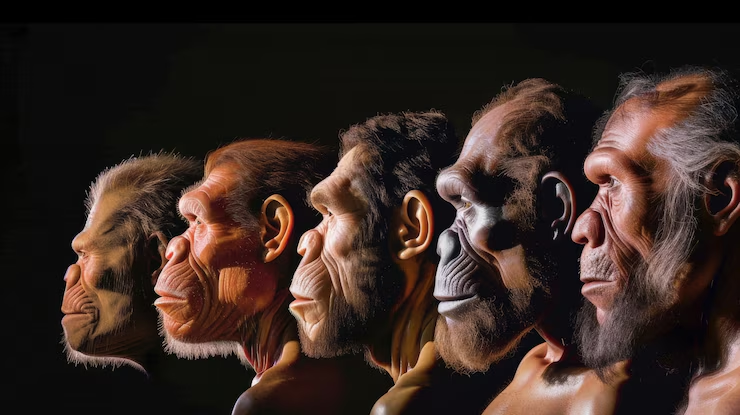
Contrary to popular belief, humans did not come from modern monkeys. Instead, both humans and monkeys share a common ancestor that lived millions of years ago.
That ancestor split into different evolutionary paths. One path led to modern apes and monkeys. Another path gradually led to humans. As environments changed, our ancestors adapted.
For example:
-
Forests shrank and grasslands expanded
-
Early humans began walking upright
-
Hands became free for tool use
-
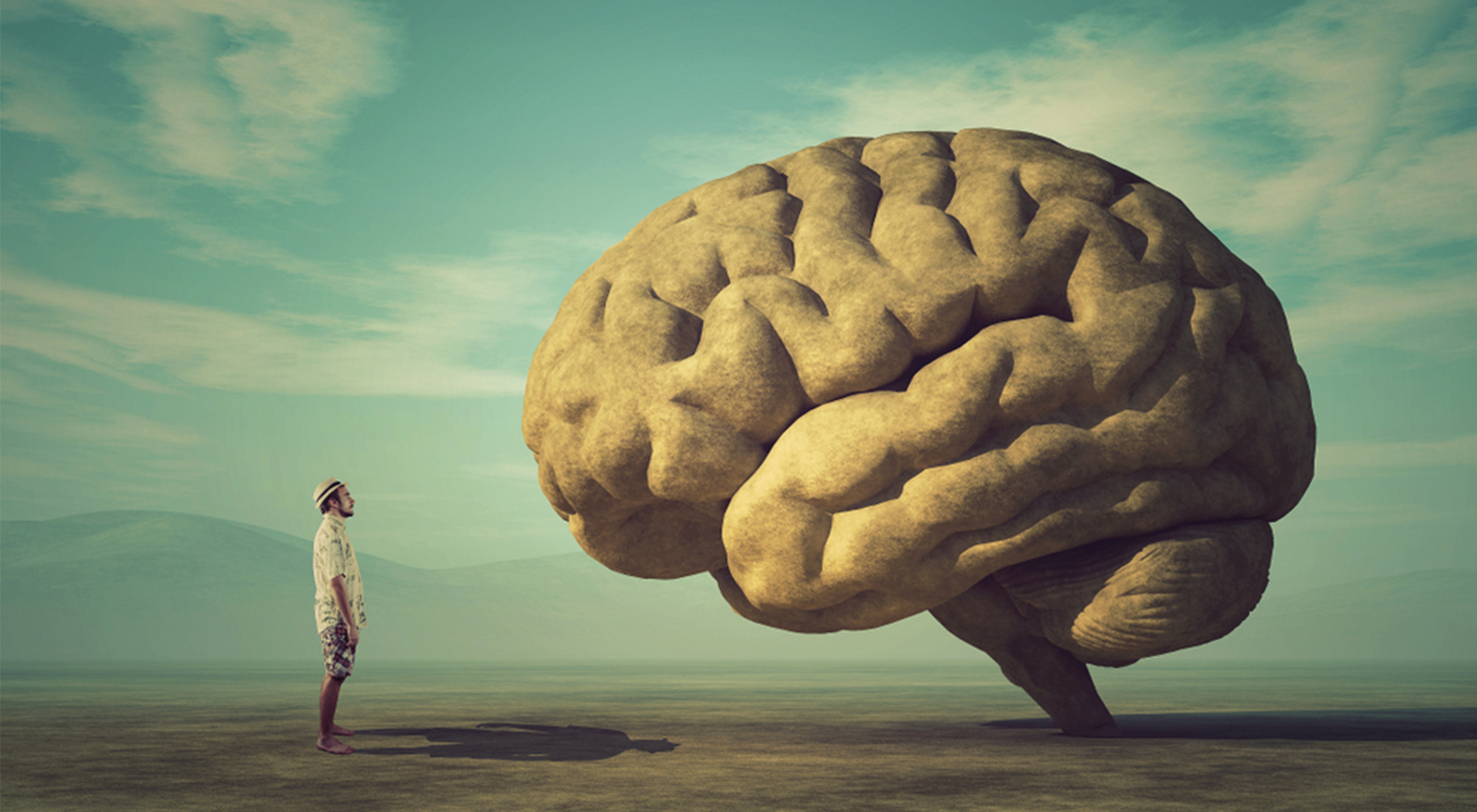
Brain size slowly increased
Over time, these changes shaped what we now call human evolution.
What About Adam and Eve? Science vs. Belief
Some people think evolution and religious stories must conflict. However, science and belief often explore different questions.
Science focuses on evidence and genetics. Researchers discovered that all living humans share genetic lineages traced back to:
-
A common maternal line (Mitochondrial Eve)
-
A common paternal line (Y-chromosomal Adam)
These do not represent a single couple. Instead, they represent shared genetic ancestors across large populations over time.
So rather than myth versus science, many scholars see these ideas as different ways to understand human origins.
Are Humans Still Evolving Today?
This question excites scientists and futurists alike. Evolution never truly stops as long as life continues. However, the drivers of change now look different.
In the past, natural selection shaped survival. Today, technology influences survival and reproduction more than ever.
Consider these factors:
-
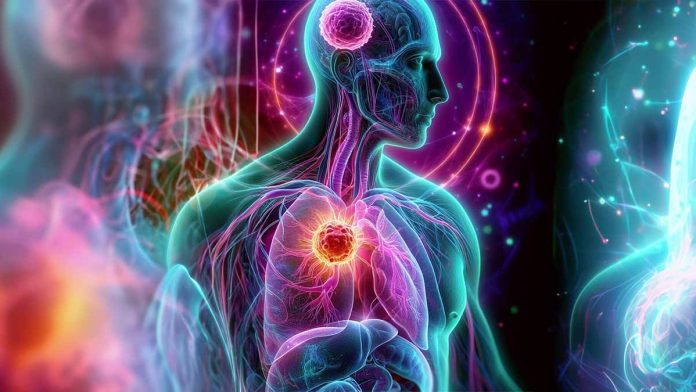
Artificial intelligence
-
Gene editing
-
Brain-computer interfaces
-
Artificial organs
Because of these tools, humans now influence their own biology. Therefore, the future of human evolution may involve choice, design, and innovation.
Technology vs. Natural Selection
Previously, harsh environments decided who survived. Now, medicine and technology protect many people who might not have survived in earlier eras.
As a result:
-
Natural pressures decrease
-
Medical science extends life
-
Genetic interventions may shape future generations
So evolution continues, but the process changes.
The Big Takeaway
Understanding human evolution helps clear common myths. Humans did not replace monkeys. Humans and monkeys share a common ancestor, and both followed different paths.
Evolution explains adaptation, survival, and diversity. Meanwhile, modern technology adds a new chapter to the story.
The future of humanity may depend not only on nature but also on the choices we make.