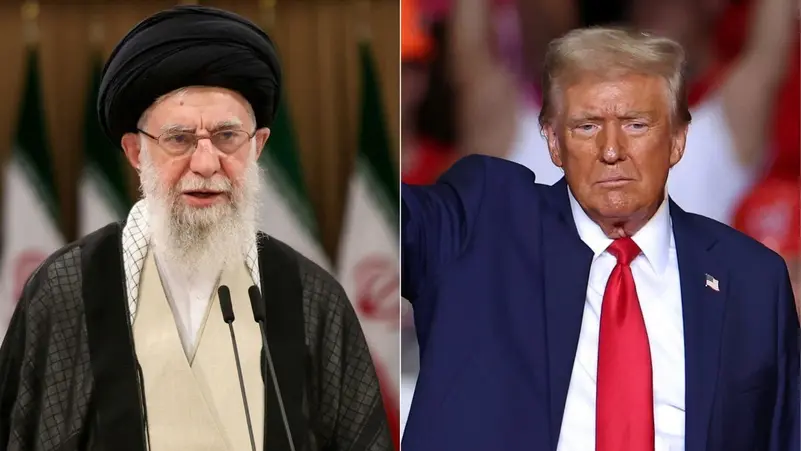
In a dramatic move on the international stage, Iran has officially refused all Trump offers, marking a decisive moment in diplomatic relations. Despite several proposals from the Trump administration aimed at easing tensions and reopening dialogue, Tehran has maintained a firm stance, prioritizing its strategic interests and national sovereignty above external pressure.
The decision has surprised many political analysts, but for Iran, this is a calculated strategy. It is suggested by analysts that Iran’s internal policies are being strengthened while leverage in international negotiations is being maintained, reflecting a sophisticated approach to foreign policy that balances domestic stability with global influence.
Why Iran Rejected Trump’s Proposals
Iran’s refusal is driven by multiple interlinked factors:
-
Economic Sanctions Pressure:- Years of stringent economic sanctions have severely impacted Iran’s economy. Tehran sees the proposals as insufficient to address these systemic challenges, choosing instead to negotiate from a position of strength.
-
Nuclear Program and Security:- Preserving its nuclear capabilities is a top priority for Iran. The government believes that any compromise could undermine national security, and thus, rejecting the offers safeguards its strategic interests.
-
Political Sovereignty:- Accepting external proposals, especially from a former U.S. administration, could be politically sensitive domestically. Tehran’s refusal sends a strong signal of independence, reinforcing its position both internally and internationally.
This stance demonstrates that Iran is not merely reacting to U.S. policies but is actively shaping its diplomatic strategy with long-term goals in mind.
Global Implications of Iran’s Refusal
The refusal of Trump’s offers is not just a bilateral issue; it has significant international ramifications:
-
Middle East Stability:- Iran’s decision is being closely watched by neighboring countries. Allies and rivals alike are reassessing their political strategies, as any escalation could affect regional security dynamics.
-
Energy Markets:- Iran plays a major role in global oil supply. Persistent tensions and uncertainty about sanctions can drive fluctuations in global energy prices, impacting economies worldwide.
-
Diplomatic Engagements:- With Iran taking a firm stance, other global powers including the European Union, Russia, and China may increase diplomatic interventions to influence or mediate the situation.
How This Shapes U.S.-Iran Relations
The rejection of all proposals highlights the limitations of unilateral diplomatic efforts. Trump offers may have seemed generous on the surface, but without addressing core Iranian concerns, they failed to gain traction. Analysts note that future negotiations will likely require a more nuanced, multilateral approach that considers both Iran’s strategic priorities and regional stability.
What Comes Next?
With tensions simmering, the world watches closely. Iran’s refusal could:
-
Lead to intensified sanctions or countermeasures from the U.S.
-
Prompt renewed negotiations under international mediation.
-
Shift the balance of power in the Middle East, influencing alliances and regional policies.
For now, one thing is clear: Iran is sending a strong message that it will not compromise its sovereignty for short-term concessions. This bold stance sets the stage for a complex, high-stakes diplomatic landscape in the coming months.