Healthcare is changing faster than ever. New technology, smart machines, and digital tools now help hospitals diagnose diseases, track patients, and improve treatment. Many people wonder whether human doctors could become less necessary in the near future. Some even predict a world where technology replaces traditional medical roles.
However, the reality looks far more balanced. Medicine evolves, but human expertise still plays a central role. Understanding how change happens helps people prepare for the future.
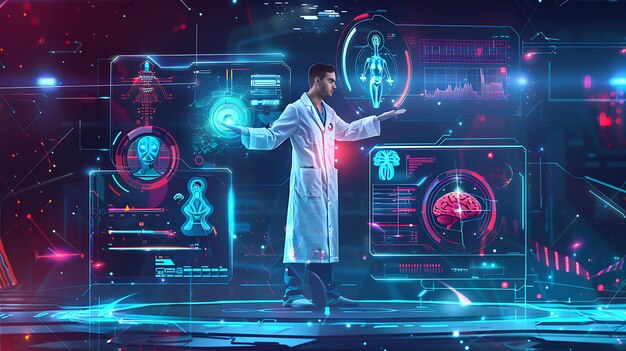
Today, discussions often focus on AI in healthcare and how it supports medical professionals rather than replacing them.
Why Technology Is Transforming Medicine
Modern hospitals already use advanced systems. For example:
-
AI helps read X-rays and scans
-
Digital platforms monitor patient data
-
Robots assist in surgeries
-
Virtual care expands access to doctors
These tools improve speed and accuracy. As a result, doctors make better decisions. Technology acts as support, not a substitute.
The Human Element in Medicine
Doctors do more than diagnose illness. They comfort patients, explain options, and make ethical judgments. Machines cannot fully replace empathy, experience, and human connection.
Therefore, most experts agree that doctors will remain essential. Technology simply changes how they work.
This shift connects closely to future of medical jobs, which now include both technical and human skills.
How Doctors’ Roles May Evolve
Instead of disappearing, doctors may:
-
Use AI tools daily
-
Focus more on patient communication
-
Specialize in complex care
-
Guide treatment decisions using data
Consequently, medical education already adapts to new technology.
Benefits for Patients
Patients gain major advantages from innovation:
-
Faster diagnosis
-
More accurate treatments
-
Remote consultations
-
Better monitoring
Additionally, rural areas gain access to care through digital services.
Challenges to Consider
Technology also brings concerns. Data privacy, system errors, and over-reliance on machines require careful management. Hospitals must balance innovation with responsibility.
Therefore, human oversight remains critical.
What the Future Really Looks Like
Healthcare will likely combine smart technology and skilled doctors. AI handles data-heavy tasks, while humans provide judgment and care. This partnership creates stronger medical systems.
So rather than asking if doctors will vanish, a better question asks how they will adapt.
Conclusion
The idea that doctors will disappear soon creates attention, but reality shows evolution instead of replacement. Medicine grows more advanced, yet human expertise remains at the center.
AI in healthcare and the future of medical jobs will shape tomorrow’s hospitals, but doctors will still guide patient care for years to come.