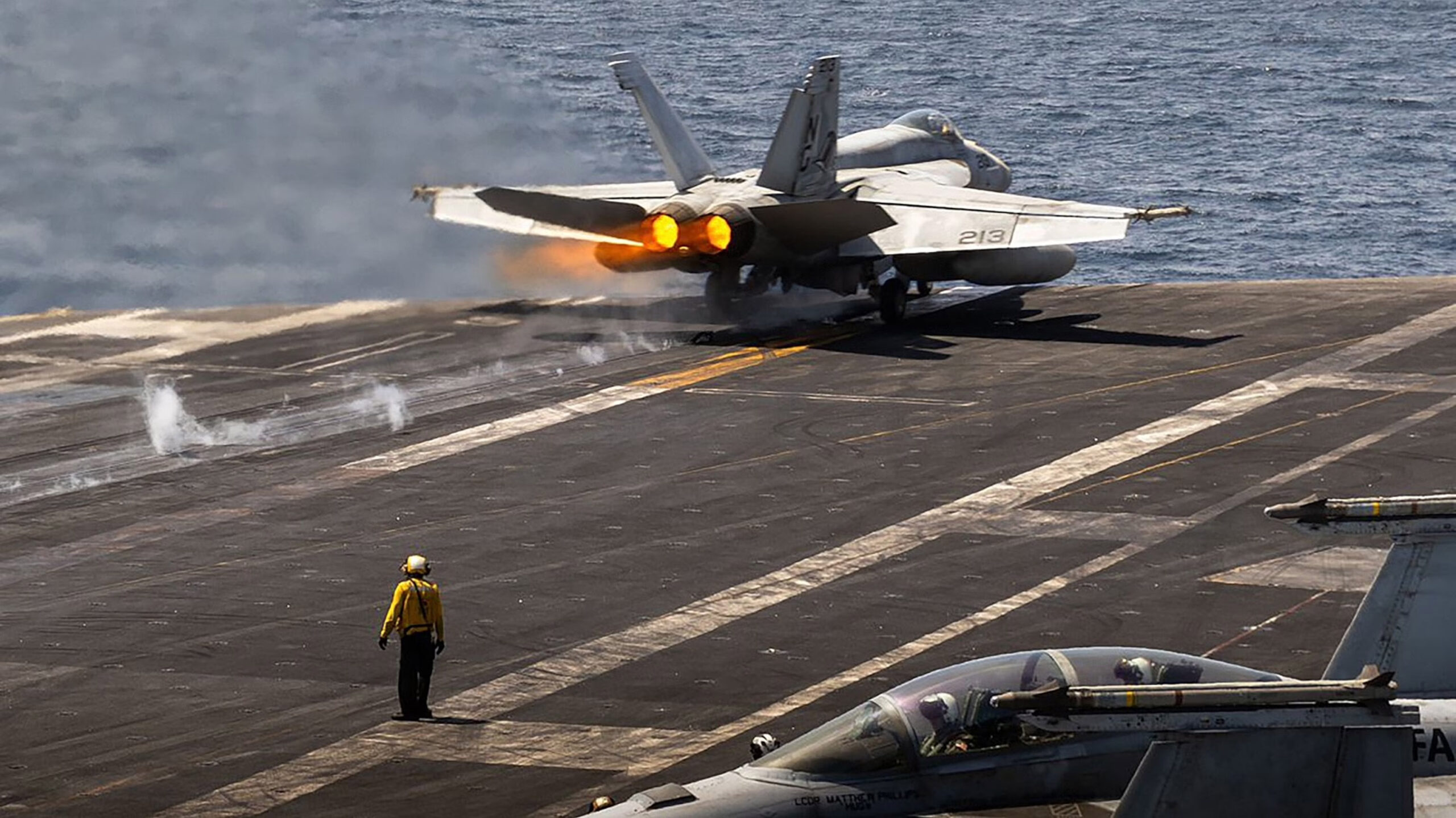
The Middle East once again stands at the center of global attention after the Donald Trupms announced that it carried out “self-defense” strikes in Iran. The operation has triggered intense international debate, increased geopolitical tension, and raised fears of a wider regional conflict.
Military officials stated that the strikes aimed to protect American forces and strategic interests in the region following growing threats and escalating security concerns. However, critics warn that such actions could deepen instability across the Middle East and increase the risk of retaliation.
The latest developments have also reignited discussions surrounding the foreign policy legacy of Donald Trump, whose administration adopted a hardline strategy toward Iran. At the same time, reports involving possible missile launch activities across the region continue fueling anxiety among governments, investors, and global security analysts.
As tensions rise, world leaders now face mounting pressure to prevent the situation from spiraling into a larger military confrontation.
Rising Tensions Between the United States and Iran
Relations between Washington and Tehran have remained tense for many years. Economic sanctions, military operations, cyber conflicts, and proxy wars have repeatedly pushed both countries toward dangerous levels of confrontation.
The recent American strikes mark another major escalation in this long-running conflict.
US military officials described the operation as necessary for “self-defense,” arguing that American personnel and facilities faced credible threats in the region. The Pentagon emphasized that the strikes targeted specific military-related positions rather than civilian infrastructure.
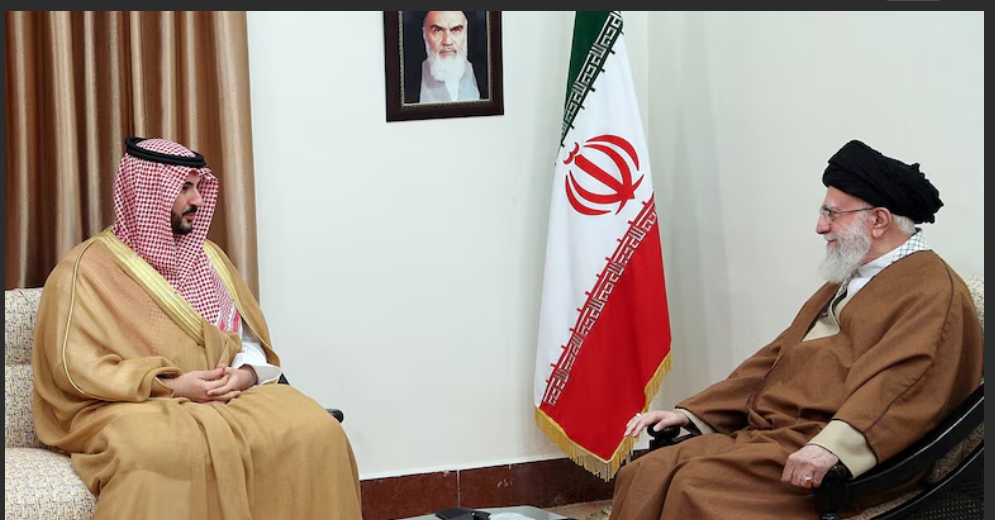
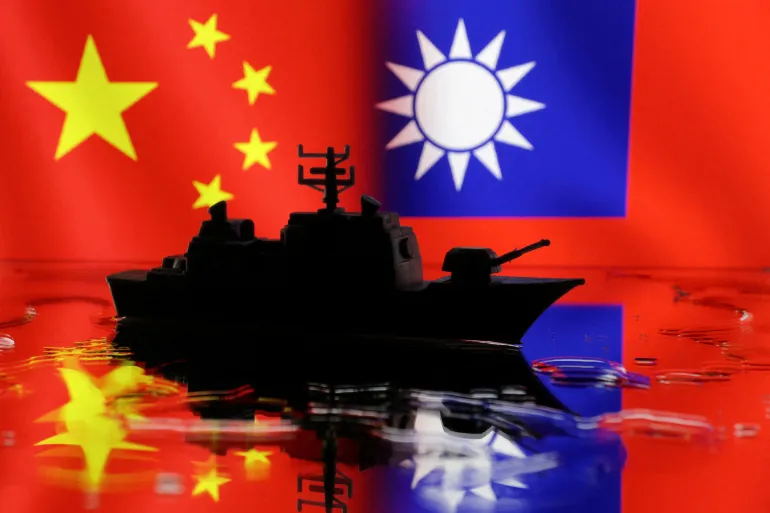
Iranian officials strongly condemned the operation and accused Washington of violating international norms. Political leaders in Tehran warned that continued military aggression could destabilize the entire Middle East.
These events have once again demonstrated how fragile regional security has become.
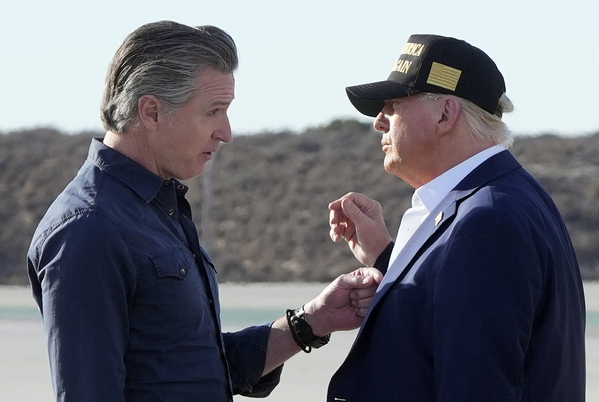
Donald Trump’s Influence on Current US-Iran Relations
The presidency of Donald Trump significantly shaped the current relationship between the United States and Iran. His administration withdrew from the Iran nuclear agreement and introduced one of the toughest sanctions campaigns in modern history.
Trump’s “maximum pressure” policy aimed to weaken Iran economically and force major political concessions.
While supporters argued that the strategy increased pressure on Tehran, critics claimed it intensified hostility without creating lasting diplomatic solutions.
Tensions sharply increased during Trump’s presidency. Military incidents, sanctions, regional proxy conflicts, and threats of retaliation became frequent headlines.
Many analysts believe today’s unstable environment partly reflects the long-term consequences of those policies.
Even after changes in American leadership, the deep mistrust between Washington and Tehran continues affecting regional politics and global diplomacy.
Missile Launch Reports Raise Global Alarm
Recent reports involving suspected missile launch activities have intensified fears of broader military escalation across the Gulf region. Security experts warn that missile technology now represents one of the most dangerous aspects of Middle Eastern conflicts.
Modern missile systems can strike targets hundreds of miles away within minutes.
This capability places military bases, oil facilities, airports, and major cities under constant threat during periods of political tension.
Several Gulf countries have already experienced missile-related attacks in recent years. As a result, regional governments remain highly alert whenever military activity increases near strategic waterways or border areas.
International observers worry that even a small miscalculation could trigger a chain reaction leading to widespread conflict.
The growing focus on missile defense systems also reflects rising concerns about regional security vulnerabilities.
Why the Middle East Remains Geopolitically Critical
The Middle East continues playing a central role in global politics because of its strategic location, massive energy resources, and international trade routes.
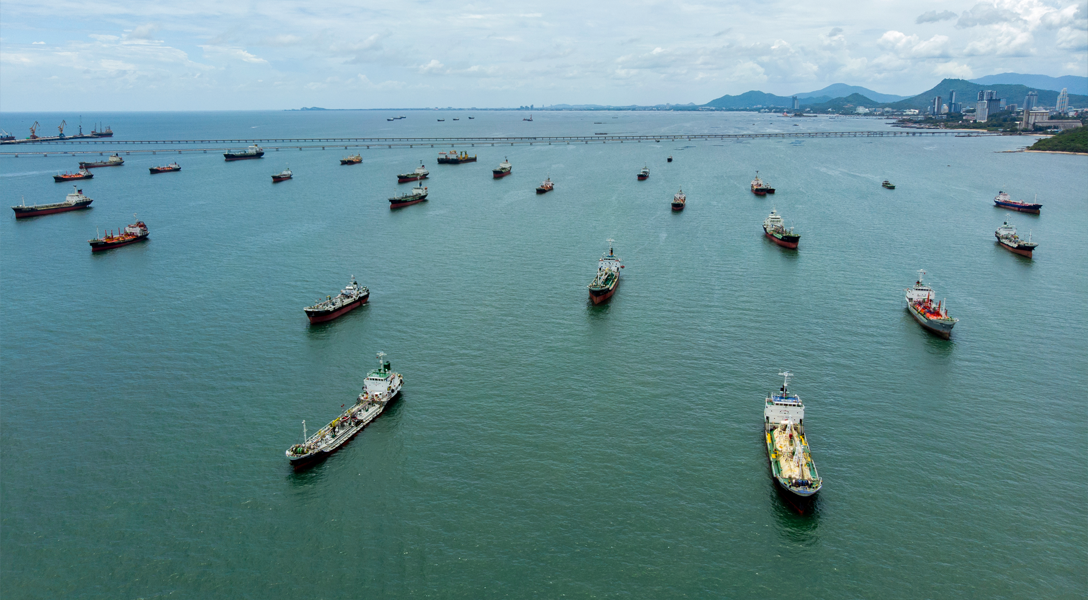
Any military escalation in the region can impact oil prices, shipping lanes, financial markets, and global supply chains almost immediately.
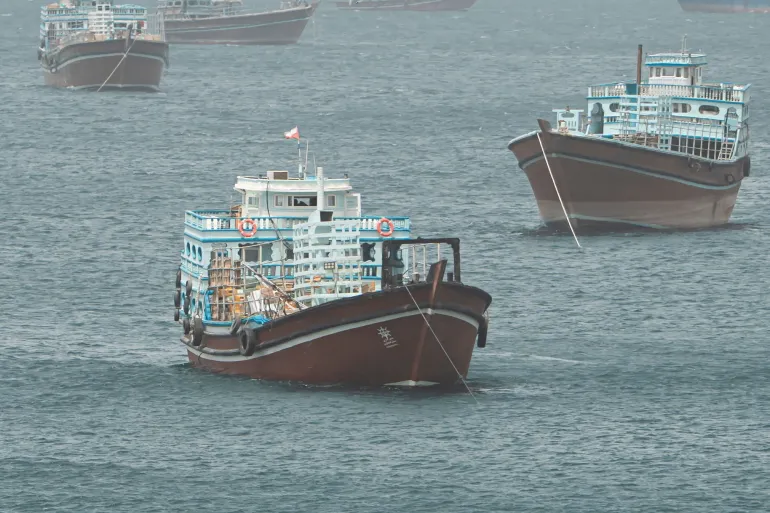
The Strait of Hormuz remains especially important because a significant percentage of the world’s oil passes through this narrow waterway every day.
If tensions continue rising between Iran and the United States, global energy markets could face severe disruption.
Countries around the world closely monitor developments in the Gulf because instability affects not only regional security but also international economic stability.
International Reactions to the Strikes
Governments across Europe, Asia, and the Middle East reacted cautiously to reports of American strikes inside Iran. Many world leaders urged restraint and called for immediate diplomatic engagement to avoid further escalation.
The United Nations also expressed concern about rising tensions and emphasized the importance of international law and peaceful conflict resolution.
Several countries fear that another major Middle Eastern conflict could create humanitarian disasters, refugee crises, and economic instability on a global scale.
At the same time, some American allies defended Washington’s right to protect its military personnel and strategic interests.
These divided reactions highlight the complexity of modern geopolitics.
Economic Impact of Regional Instability
Military tensions in the Gulf often create immediate reactions in financial and energy markets. Investors typically become cautious whenever conflict threatens global oil supplies or international trade routes.
Oil prices frequently rise during periods of military escalation.
Shipping companies, airlines, insurance firms, and multinational corporations closely monitor developments in the region because instability can increase operational costs dramatically.
The possibility of additional sanctions, military retaliation, or expanded conflict creates uncertainty for businesses worldwide.
Economic analysts warn that prolonged instability could weaken global growth and increase inflationary pressure in many countries.
This economic dimension explains why governments across the world prioritize efforts to prevent further escalation.
Public Fear of Another Large-Scale Conflict
Many people across the Middle East fear the possibility of another prolonged war. Previous regional conflicts caused devastating humanitarian crises, destroyed infrastructure, and displaced millions of civilians.
Citizens across the region increasingly demand stability, economic opportunity, and diplomatic solutions rather than endless military confrontation.
Social media platforms have become filled with discussions about security fears, regional politics, and concerns regarding future military actions.
Public anxiety tends to increase whenever news involving airstrikes, military mobilization, or possible missile launch activity dominates headlines.
These fears place additional pressure on political leaders to avoid decisions that could trigger uncontrollable escalation.
The Future of US-Iran Relations
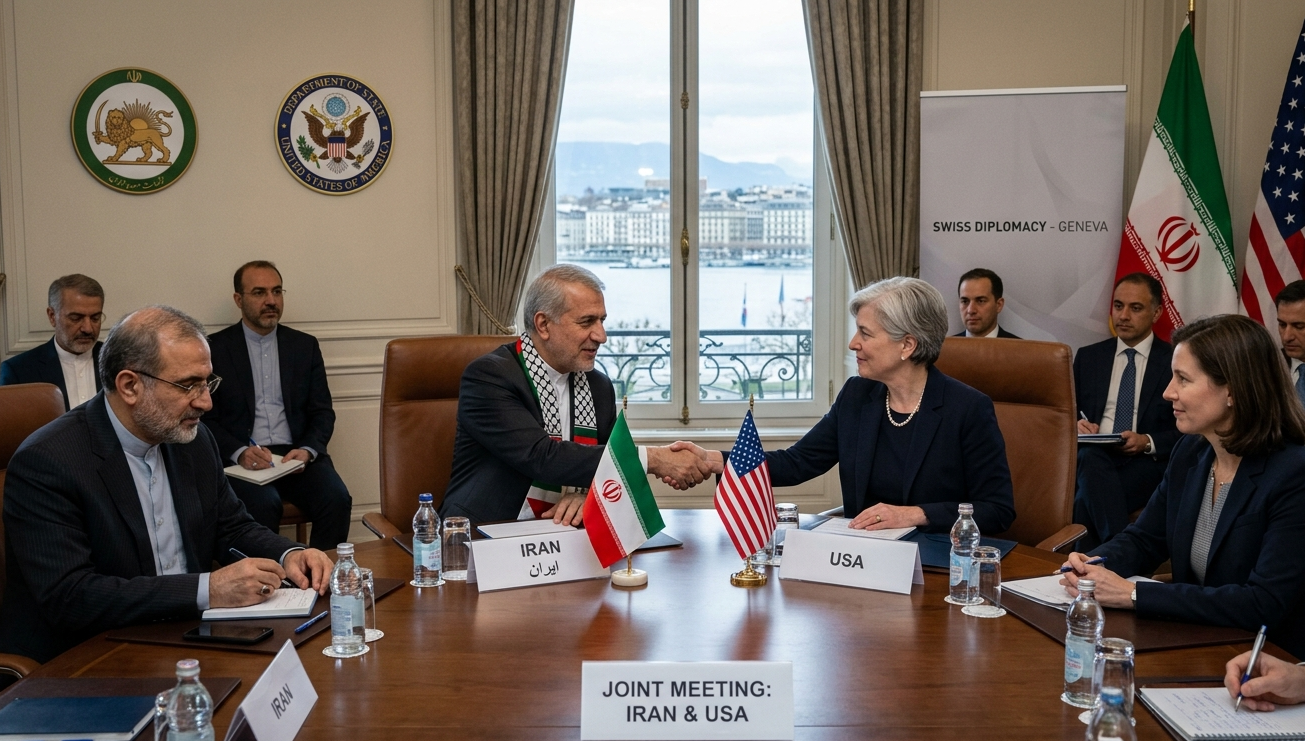
The future relationship between Washington and Tehran remains highly uncertain. Diplomatic negotiations continue facing major obstacles, while military tensions repeatedly undermine efforts to reduce hostility.
Both countries maintain deeply conflicting political positions on regional influence, sanctions, nuclear activities, and security policies.
However, many experts believe diplomacy remains the only realistic path toward long-term stability.
Military escalation may produce short-term tactical outcomes, but sustainable peace usually requires political negotiation and international cooperation.
Future developments will likely depend on regional diplomacy, global pressure, and the willingness of both sides to avoid further escalation.
Conclusion
The announcement that the US military carried out “self-defense” strikes in Iran has once again pushed the Middle East into a dangerous period of uncertainty. Rising tensions, growing security concerns, and fears surrounding possible missile launch activities continue shaping global political discussions.
The legacy of Donald Trump and his hardline Iran strategy still influences American foreign policy debates today. At the same time, regional powers and international organizations are working to prevent another large-scale conflict from destabilizing the Middle East further.
As diplomatic efforts continue, the world watches closely, hoping that caution and negotiation will ultimately prevail over escalation and war