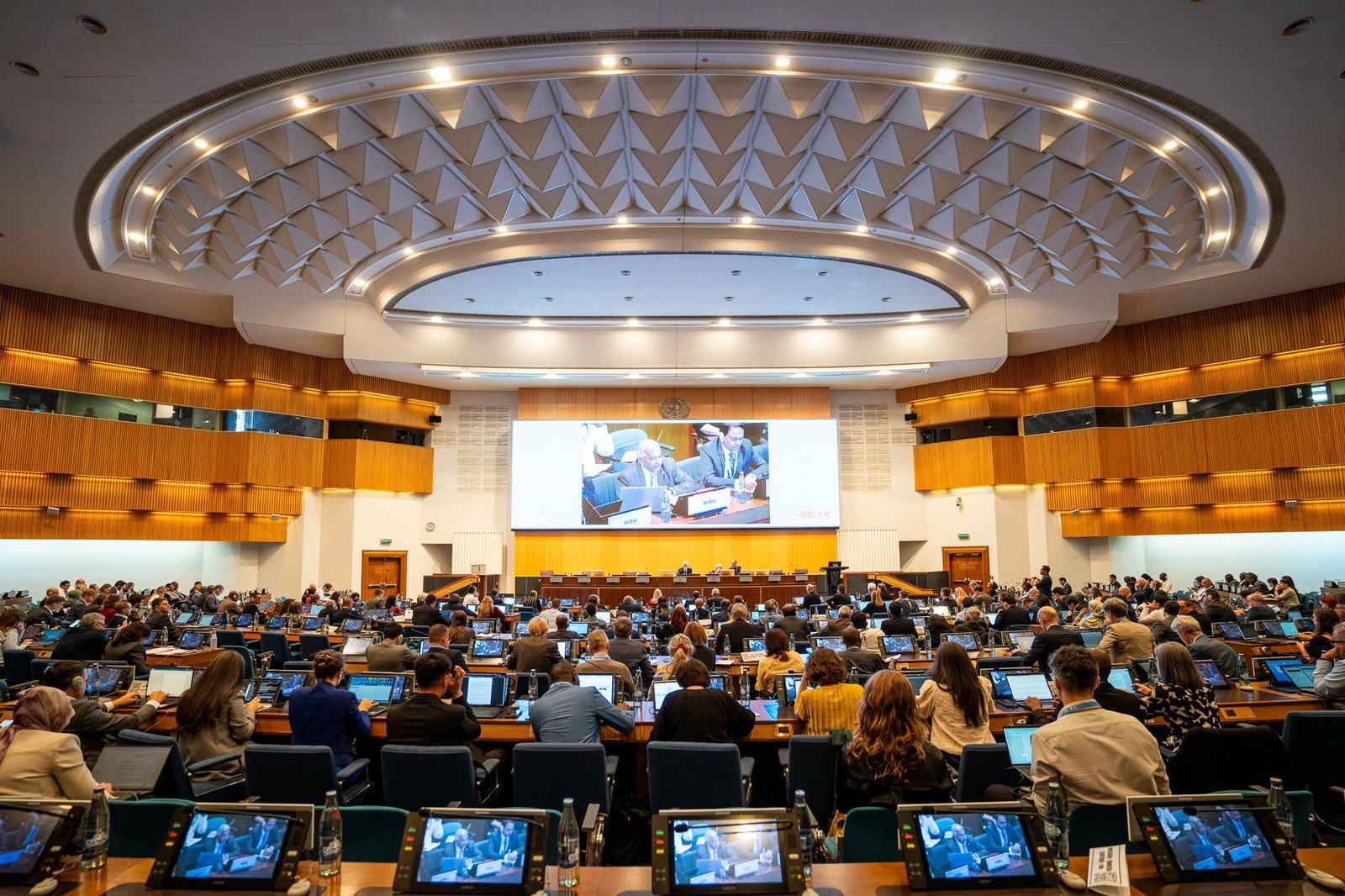
Fresh diplomatic developments between Iran and the United States have sparked global attention after Iran’s Foreign Ministry announced that a degree of understanding has reportedly been reached during ongoing discussions with American officials.
Despite signs of possible diplomatic progress, sources close to negotiations continue emphasizing that the US will not rush into a deal, signaling that major disagreements and strategic concerns still remain unresolved.
The latest statements come during a period of heightened geopolitical tension involving nuclear negotiations, regional security issues, economic sanctions, and international diplomatic pressure across the Middle East.
Global leaders and financial markets are now closely monitoring whether the recent diplomatic tone could eventually lead to broader agreements or whether talks may once again stall amid political complications.
Iran Signals Diplomatic Progress
Officials from Iran recently suggested that ongoing discussions with Washington have produced a partial degree of understanding on several sensitive issues.
Although authorities did not reveal complete details, analysts believe negotiations may involve:
- Regional security concerns
- Economic sanctions
- Nuclear monitoring discussions
- Maritime security issues
- Diplomatic communication channels
The announcement has created cautious optimism among observers seeking reduced tensions in the region.
The US Will Not Rush Into a Deal
American officials continue signaling that the US will not rush into a deal despite ongoing diplomatic engagement.
Washington reportedly remains focused on:
- Long-term security guarantees
- Verification mechanisms
- Strategic regional stability
- Nuclear compliance standards
US policymakers appear determined to avoid rapid agreements without clear commitments and enforceable conditions.
Diplomatic Relations Remain Extremely Sensitive
Relations between Iran and the United States have remained tense for decades due to disputes involving:
- Nuclear development concerns
- Economic sanctions
- Regional military influence
- Maritime security incidents
- Political disagreements
Because of this complicated history, even small diplomatic breakthroughs attract significant international attention.
Regional Stability Remains a Global Concern
Middle East stability continues influencing global markets, energy security, and international diplomacy.
Governments worldwide closely monitor negotiations because regional tensions can affect:
- Crude oil prices
- International shipping routes
- Global inflation
- Energy markets
- Investor confidence
Any progress toward diplomatic stability could reduce uncertainty across global markets.
Nuclear Negotiations Continue Dominating Discussions
One of the most sensitive issues remains Iran’s nuclear activities and international oversight programs.
Western governments continue demanding:
- Greater transparency
- International inspections
- Compliance verification
- Restrictions on enrichment activities
Meanwhile, Iranian officials continue emphasizing national sovereignty and economic interests.
Economic Sanctions Remain a Key Issue
Sanctions continue placing major pressure on Iran’s economy and international trade access.
Negotiators may discuss:
- Banking restrictions
- Oil export limitations
- International trade access
- Financial transaction systems
Economic relief remains one of Tehran’s most important diplomatic priorities.
Global Markets React to Diplomatic Signals
Financial markets often respond quickly to developments involving US-Iran relations because geopolitical stability directly affects energy markets and investor confidence.
Positive diplomatic developments may influence:
- Oil prices
- Currency markets
- Energy stocks
- International trade activity
Investors remain highly sensitive to political developments involving the Middle East.
Military Tensions Still Influence Negotiations
Although diplomacy continues, military tensions remain a major factor shaping negotiations.
Recent concerns have involved:
- Naval operations in the Gulf region
- Regional security alliances
- Missile defense systems
- Maritime shipping protection
Security analysts believe both diplomacy and military positioning continue influencing negotiation strategies.
International Allies Support Diplomatic Dialogue
Several international governments continue encouraging negotiations between Washington and Tehran.
Countries across Europe and Asia hope diplomatic engagement can help:
- Prevent regional escalation
- Stabilize energy markets
- Reduce military risks
- Encourage economic cooperation
International diplomacy remains focused on preventing broader instability.
Could a Future Agreement Be Possible?
Analysts remain divided over whether current talks could eventually produce a larger formal agreement.
Challenges still include:
- Political distrust
- Security disagreements
- Domestic political pressure
- Enforcement concerns
While the reported degree of understanding suggests some progress, experts warn that negotiations may still face major obstacles.
Public Statements Often Shape Negotiation Strategy
Diplomatic messaging frequently plays an important role during international negotiations.
Public statements from both governments may aim to:
- Influence domestic audiences
- Manage international expectations
- Apply negotiation pressure
- Signal strategic positions
This explains why official language often remains cautious and carefully controlled.
The Middle East Remains Geopolitically Important
The broader geopolitical importance of the Middle East ensures that any diplomatic development involving Iran and the United States attracts worldwide attention.
The region continues influencing:
- Global energy supplies
- International security policy
- Strategic military alliances
- Trade and shipping routes
Because of these factors, diplomatic progress carries significant international implications.
Energy Markets Hope for Stability
Oil and energy markets remain highly sensitive to Middle East diplomacy.
Reduced geopolitical tension could help stabilize:
- Crude oil prices
- Shipping insurance costs
- Energy supply forecasts
- Inflation expectations
Energy traders continue watching every major diplomatic announcement carefully.
Diplomacy May Reduce the Risk of Escalation
International observers continue hoping diplomatic engagement can prevent future military escalation.
Successful negotiations could potentially reduce:
- Regional conflict risks
- Economic instability
- Global market volatility
- Strategic military pressure
However, experts caution that long-standing geopolitical disputes rarely disappear quickly.
Conclusion: Cautious Optimism Surrounds US-Iran Diplomacy
Iran’s statement claiming a degree of understanding with the United States has created cautious optimism across diplomatic and financial circles.
At the same time, the position that the US will not rush into a deal demonstrates that significant strategic disagreements still remain unresolved.
As negotiations continue, the world will closely monitor whether diplomacy can successfully reduce tensions, stabilize the region, and create a pathway toward longer-term political and economic cooperation between two longtime geopolitical rivals.