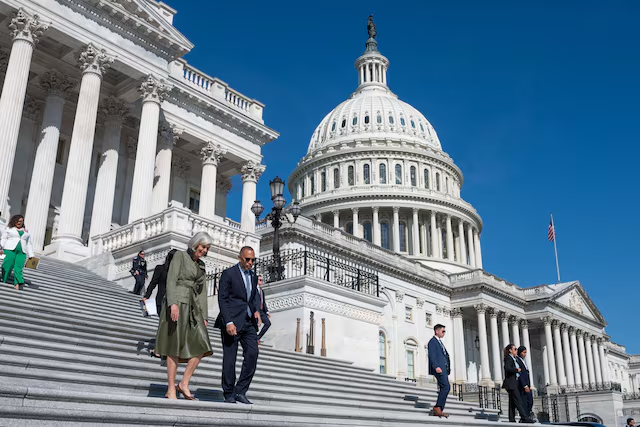
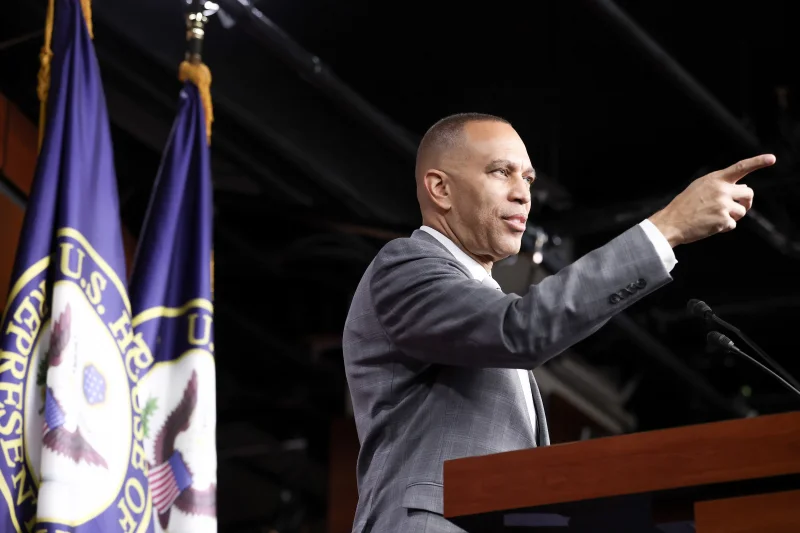
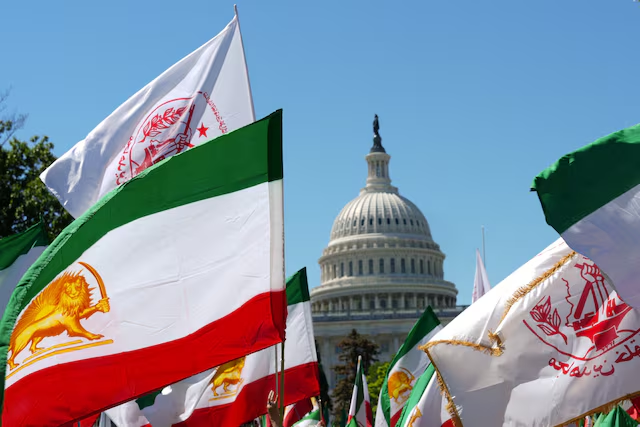
The Trump Iran War Powers Vote 2026 has created another major political confrontation in Washington. On November 19, the US Senate rejected a resolution that sought to direct President Donald Trump to withdraw American forces from hostilities with Iran unless Congress specifically authorised continued military operations.
The measure failed by 51 votes to 48, with most Republicans opposing it and three Republican senators joining Democrats in support. The result marked an important congressional test of support for the conflict following the November midterm elections, which saw Republicans lose control of both chambers of Congress for the next legislative session.
The vote does not provide Trump with a new declaration of war or a fresh congressional authorisation. Instead, it means that this particular attempt to compel withdrawal failed in the Senate.
The outcome has reopened a fundamental constitutional question: How much authority should an American president have to conduct military operations overseas without a specific approval from Congress?
What Happened in the November 19 Senate Vote?
The Senate considered a war powers resolution that had previously passed the House of Representatives in September.
The House approved the measure on September 15 by 220 votes to 204. Seven Republicans joined Democrats in supporting it.
However, the Senate vote produced a different result.
Three Republican senators supported the resolution:
- Susan Collins of Maine
- Lisa Murkowski of Alaska
- Rand Paul of Kentucky
Democratic Senator John Fetterman of Pennsylvania voted against it. Senator Chris Murphy of Connecticut did not participate.
The result demonstrated that most Senate Republicans continued to support the administration’s position on the conflict, despite disagreements within the party over military policy and the financial consequences of the war.
For Democrats, the vote also provided an opportunity to put senators on record regarding presidential authority and the future of American military involvement in Iran.
What Is the War Powers Resolution of 1973?
To understand the US Senate Iran War Debate, it is important to examine a law that has shaped American foreign policy for more than five decades.
The War Powers Resolution became law in 1973 following disagreements between Congress and the White House over US military involvement in Vietnam and Cambodia.
Its central purpose is to establish procedures governing the president’s use of American armed forces in situations involving hostilities abroad.
Under the law, the president generally must notify Congress within 48 hours after introducing US forces into hostilities or situations where imminent involvement in hostilities is clearly indicated.
The legislation also establishes a 60-day period for military operations introduced without a declaration of war or specific congressional authorisation, subject to certain provisions and a possible additional withdrawal period.
Congress can also use its constitutional authority over military funding and legislation to influence or restrict military operations.
Why Does This Law Matter Now?
The Trump administration and its critics disagree about the legal authority for continuing the Iran conflict.
Supporters of congressional intervention argue that a prolonged military campaign requires clearer approval from elected lawmakers.
The administration’s position has challenged the use of congressional procedures that attempt to compel the president to withdraw forces without presenting a bill for presidential signature.
This disagreement is not entirely new. Presidents from both political parties have disputed aspects of the War Powers Resolution, particularly when Congress attempts to restrict military operations through a concurrent resolution.
Therefore, the November vote is part of a much broader constitutional debate rather than a simple disagreement between Democrats and Republicans.
Why Did Three Republicans Vote Against Their Party?
The three Republican senators who supported the measure represent different political positions and have previously expressed concerns about presidential war powers.
Susan Collins has sometimes supported efforts to strengthen congressional oversight of military decisions. Her vote reflected support for the Senate resolution despite her membership in Trump’s party.
Lisa Murkowski has also supported congressional involvement in major foreign-policy decisions. Her position highlighted the differences within the Republican conference over executive authority.
Rand Paul has consistently argued for limits on presidential power and a stronger constitutional role for Congress in decisions involving war.
Their support did not change the final result, but it demonstrated that Republican agreement with the administration’s Iran policy was not universal.
Meanwhile, John Fetterman’s vote against the measure showed that the Democratic position was not completely unanimous either.
These differences matter because future legislation may require support from lawmakers across party lines.
How Much Has the Iran War Cost the United States?
The financial consequences of the conflict have become another important issue in Washington.
During a Senate Armed Services Committee hearing on November 19, Pentagon official Arthur Miller provided an estimate that the war had cost approximately $48.3 billion as of November 13.
The figure included reported operational expenses, munitions and equipment replacement costs.
However, it did not include the full cost of damage to US military facilities in the region. Additional expenses, including long-term medical care for injured personnel, could also affect the overall financial burden.
These figures have attracted attention because military spending competes with other federal priorities.
Lawmakers must consider defence requirements alongside domestic programmes, infrastructure, healthcare and government funding.
The debate is particularly important as Congress approaches another federal spending deadline.
Democrats have discussed using government funding legislation to restrict money for offensive military operations in Iran. Some lawmakers have proposed amendments that would prevent federal funds from supporting such operations without specific congressional authorisation.
The dispute could therefore move beyond symbolic resolutions and become a question of federal budget policy.
Why Is the Senate Vote Politically Important After the Midterm Elections?
The November 19 vote was the first major congressional test of support for the Iran conflict following the November 3 midterm elections.
Republicans lost control of both the House and Senate for the next Congress, which is scheduled to begin in January 2027.
Democrats have connected their election results to public concerns about the war, military spending and rising household costs.
However, election outcomes reflect multiple issues, and the results alone cannot establish that one policy was responsible for every electoral change.
The vote nevertheless showed that the Iran conflict remains a significant issue in Washington.
Democratic senators have indicated that they intend to continue using congressional procedures to challenge the administration’s military policy.
Senator Tim Kaine, who has led several efforts involving war powers resolutions, has been among the lawmakers pushing for additional action.
Republicans, meanwhile, have argued that the administration needs sufficient flexibility to respond to security threats.
The disagreement is likely to continue as Democrats prepare to take control of Congress.
Does the Senate Vote Give Trump Unlimited Power to Continue the War?
No. This is a crucial distinction.
The rejection of the November resolution does not give the president unlimited constitutional authority to conduct military operations.
It simply means that this particular congressional measure failed.
The president remains subject to constitutional limits, existing federal law, congressional appropriations authority and other applicable legal requirements.
The Constitution divides military powers between the executive and legislative branches.
The president serves as commander in chief, while Congress has the power to declare war, raise and support armed forces, and control federal spending.
These responsibilities can create disagreements when an administration conducts military operations without a formal declaration of war.
The legal debate surrounding the 1973 War Powers Resolution also remains complicated.
In 1983, the Supreme Court ruled in INS v. Chadha that legislative veto arrangements could not bypass the constitutional requirements for lawmaking. The Trump administration and other critics have relied on this precedent when questioning certain congressional war powers procedures.
However, the precise constitutional status and enforceability of war powers resolutions remain subjects of legal disagreement.
The November 19 vote did not settle that wider dispute.
What Happens Next in the US Senate Iran War Debate?
The rejection of the resolution does not necessarily end congressional efforts to influence the conflict.
Several developments could shape the next stage.
1. Democrats May Challenge Military Funding
Some Democratic senators have discussed attaching restrictions on offensive military operations to upcoming federal spending legislation.
This could create a difficult negotiation because Congress must also prevent a government shutdown.
2. More War Powers Votes Could Follow
Lawmakers have indicated that additional resolutions may be considered before the end of 2026.
Democrats are also preparing to use their control of both chambers in the next Congress to pursue further oversight measures.
3. The House Could Consider Another Resolution
Republican Representative Thomas Massie has discussed seeking another House vote on the Iran conflict.
A new measure could provide lawmakers with another opportunity to express their positions on presidential military authority.
4. The Pentagon’s Financial Reports Will Face Scrutiny
The reported $48.3 billion cost estimate has increased attention on military spending.
Congressional committees may seek additional information about operational expenses, equipment losses, military readiness and the long-term financial implications of the conflict.
5. The Administration’s Legal Position Will Remain Under Debate
The White House’s interpretation of presidential authority could face further questions from lawmakers, legal experts and potentially the courts.
The outcome will depend on future congressional action and the development of the legal arguments.
What Does This Mean for American Citizens?
The conflict is not only a foreign-policy issue. It can also affect Americans through federal spending, energy prices and economic uncertainty.
Military operations require substantial resources, and higher defence spending can influence government budget priorities.
The conflict can also affect global energy markets, particularly when tensions threaten shipping routes and oil supplies in the Middle East.
Higher fuel prices can increase transportation and production expenses. Those costs may eventually affect businesses and households.
However, the exact economic impact depends on oil market conditions, supply disruptions, the duration of military operations and wider international developments.
For American voters, the debate raises an important question about accountability: Who should make the decision to continue a major overseas military operation, and what role should Congress play?
Final Thoughts: A New Test of Presidential War Powers
The Trump Iran War Powers Vote 2026 has exposed the continuing disagreement between the White House and Congress over military authority.
The Senate’s 51–48 rejection of the resolution allowed the administration to avoid this particular congressional directive. However, it did not settle the constitutional dispute or provide a new legal authorisation for the war.
The financial cost, public concerns and changing balance of power in Congress will continue to shape the debate.
With Democrats preparing to control both chambers in January 2027, the administration could face additional challenges involving military funding, oversight and foreign-policy decisions.
The central issue goes beyond one Senate vote. It concerns the balance of power between the president and Congress when the United States becomes involved in a prolonged military conflict.
The coming months will show whether lawmakers can reach agreement on that responsibility or whether the dispute will continue through legislation, budget negotiations and constitutional arguments.