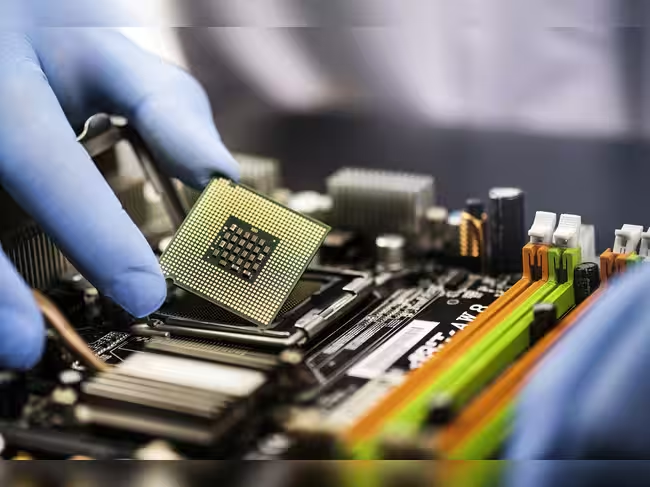
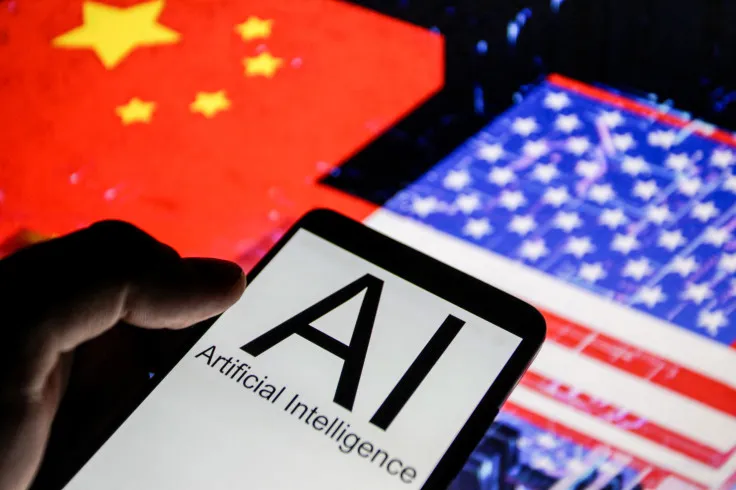
South Korea has taken a major step to protect its most valuable technologies as the global semiconductor race becomes increasingly competitive. A new South Korea espionage law took effect on September 13, expanding the country’s espionage rules beyond threats connected to North Korea and targeting foreign attempts to obtain sensitive technologies.
The change comes at a critical moment for South Korea.
Companies such as Samsung Electronics and SK Hynix are among the world’s most important semiconductor manufacturers. Their technologies are essential to artificial intelligence, smartphones, computers, data centers and advanced military systems.
As competition between the United States and China intensifies, Seoul is now placing greater emphasis on Korea chip technology protection.
The message is clear: technology secrets are no longer simply commercial assets. They are increasingly viewed as national strategic assets.
What Is South Korea’s New Espionage Law?
South Korea’s expanded espionage law took effect on Sunday, September 13.
Previously, South Korea’s espionage provisions focused primarily on activities benefiting North Korea. The revised law broadens the definition to cover espionage involving foreign countries generally.
That means an individual accused of passing sensitive information to a foreign government or equivalent organization could face criminal prosecution even when the activity does not involve North Korea.
The new offence carries a minimum three-year prison sentence, according to Reuters reporting on the legislation.
The change represents a significant adjustment to South Korea’s national-security framework.
It also reflects the reality that the country’s biggest technology-security risks no longer come from only one direction.
Why Are Semiconductor Secrets So Important?
Semiconductors are among the most strategically important products in the modern economy.
Almost every major technology sector depends on advanced chips.
They power:
- Artificial intelligence systems
- Smartphones
- Computers
- Cloud data centers
- Electric vehicles
- Advanced weapons
- Satellites
- Industrial equipment
- Telecommunications networks
South Korea occupies a particularly important position in this ecosystem.
Samsung Electronics is a global leader in semiconductor manufacturing and memory chips, while SK Hynix is one of the world’s biggest memory-chip producers.
Their technology therefore has enormous economic and strategic value.
A stolen manufacturing process or proprietary chip design could potentially give a competitor years of technological advantage.
The New Law Comes at a Critical Moment
The timing of the South Korea espionage law is important.
The semiconductor industry is undergoing one of the biggest transformations in its history.
Artificial intelligence has created enormous demand for advanced computing power and high-bandwidth memory.
Companies around the world are spending billions of dollars building AI data centers.
Governments are also providing subsidies and incentives to develop domestic semiconductor industries.
That has turned chip technology into a major area of international competition.
South Korea does not want its technological advantage to disappear through industrial espionage.
China Is Part of the Bigger Picture
China is one of the world’s largest semiconductor markets.
Chinese companies have also been investing heavily in developing domestic chip technology.
At the same time, Beijing faces restrictions on access to some of the most advanced semiconductor equipment and technologies.
This creates a powerful incentive for companies and organizations to obtain technology through legitimate investment, partnerships and research but also increases concerns about illegal technology transfers.
South Korean officials therefore face a difficult balancing act.
They want to maintain commercial relationships with China while protecting technologies considered strategically important.
The expanded law gives prosecutors a broader legal tool to address foreign espionage.
The United States Is Also Watching
The semiconductor race is not simply a South Korea-China competition.
The United States is deeply involved.
Washington has spent years strengthening its domestic semiconductor industry and restricting China’s access to certain advanced chip technologies.
The United States also relies heavily on Asian semiconductor supply chains.
South Korea is therefore an important partner in America’s broader technology strategy.
Samsung and SK Hynix have invested heavily in semiconductor facilities outside South Korea, including in the United States.
This makes South Korea’s technology-security policies relevant to Washington as well as Beijing.
Korea Chip Technology Protection Becomes National Strategy
The phrase Korea chip technology protection describes something much larger than protecting company trade secrets.
South Korea increasingly views semiconductor technology as part of national competitiveness.
The country’s economic growth depends heavily on advanced manufacturing and exports.
If important chip technologies are copied and competitors catch up, South Korea could lose some of its technological advantage.
That could affect exports, investment, employment and national economic growth.
Therefore, stronger protection can serve both economic and national-security objectives.
Samsung and SK Hynix Are at the Center
Samsung Electronics and SK Hynix are particularly important to this discussion.
Both companies are deeply involved in the global AI boom because advanced AI systems require enormous amounts of memory and computing infrastructure.
The companies are also expanding semiconductor production to meet expected demand.
That makes their technology increasingly valuable.
A successful espionage operation against a major semiconductor manufacturer could potentially expose information about manufacturing processes, materials, chip architecture or production techniques.
The economic damage could be substantial.
AI Is Making Chip Technology Even More Valuable
Artificial intelligence has changed the semiconductor industry.
Traditional computer chips remain important, but AI requires specialized processors and enormous amounts of high-speed memory.
Data centers now consume huge quantities of advanced semiconductors.
Companies are competing to develop better AI accelerators, memory technologies and manufacturing processes.
That competition has increased the value of intellectual property.
It has also increased the potential value of stolen information.
This is one reason governments are becoming more aggressive about technology protection.
South Korea Is Not Alone
South Korea is part of a much wider global trend.
The United States has expanded restrictions on advanced semiconductor exports to China.
European countries are strengthening controls around sensitive technologies.
Japan has tightened controls on advanced semiconductor equipment.
Taiwan has also treated chip technology as a national strategic priority.
Governments increasingly recognize that technological leadership can influence military power and economic influence.
The semiconductor industry sits directly at the intersection of those interests.
Why Espionage Laws Are Changing
Traditional espionage laws were designed primarily around national security and military secrets.
Modern technology has blurred that distinction.
A commercial semiconductor manufacturing process can have both economic and military value.
The same technology that improves an AI data center could potentially support advanced weapons systems, surveillance platforms or military communications.
As a result, governments increasingly treat commercial technology as part of national security.
South Korea’s expanded law reflects this changing definition of strategic information.
What the Three-Year Minimum Sentence Means
One of the most important details is the minimum punishment.
The new offence carries a minimum sentence of three years in prison, according to Reuters.
That sends a strong deterrence message.
It tells employees, contractors and other individuals with access to sensitive information that transferring protected technology to foreign interests could result in serious criminal consequences.
The law therefore targets not only foreign organizations but also the people who may provide them with access.
Employees Are Becoming a Major Security Concern
Technology companies employ thousands of engineers, researchers and specialists.
Many have access to extremely valuable information.
That creates a difficult security challenge.
Companies must protect information without preventing employees from collaborating, researching and developing new products.
The stronger espionage law could encourage semiconductor companies to improve:
- Employee screening
- Data access controls
- Cybersecurity
- Research security
- Confidentiality procedures
- Monitoring of sensitive information
- Protection of manufacturing documents
The goal is to reduce the possibility that valuable technology leaves the company illegally.
Cybersecurity and Espionage Are Increasingly Connected
Modern industrial espionage does not necessarily require someone physically stealing documents.
Cyberattacks can also provide access to sensitive information.
Hackers may attempt to obtain:
- Chip designs
- Manufacturing data
- Research documents
- Engineering specifications
- Customer information
- Production schedules
- Chemical formulas
- Equipment configurations
That means Korea chip technology protection will increasingly depend on cybersecurity as well as traditional counter-espionage measures.
The Law Could Change Corporate Behavior
The new legislation may also change how South Korean companies manage international partnerships.
Companies often work with foreign suppliers, customers and research organizations.
Those relationships are economically important.
However, greater technology-security requirements could force companies to carefully classify which information can be shared.
Sensitive technologies may receive additional legal and technical protection.
That could create higher compliance costs.
But companies may consider those costs necessary to protect their competitive advantage.
South Korea Faces a Difficult Balance
There is another side to the issue.
South Korea is deeply integrated into global trade.
Its technology companies depend on international markets.
Samsung and SK Hynix sell products worldwide.
South Korean companies also rely on foreign suppliers, customers and technology partnerships.
Seoul therefore cannot simply isolate its technology industry.
It must find a balance between openness and protection.
The expanded South Korea espionage law is one part of that strategy.
Could the Law Affect China-South Korea Relations?
Potentially.
China remains an important economic partner for South Korea.
However, stronger rules against foreign espionage could create additional sensitivities between Seoul and Beijing.
South Korea will need to make clear that the law applies broadly to foreign countries rather than targeting one specific country.
That distinction matters diplomatically.
At the same time, China may closely monitor how South Korean prosecutors use the new law.
If cases involving Chinese nationals or companies emerge, the issue could become politically sensitive.
The Semiconductor Race Is Becoming a Security Race
The bigger story is that semiconductor competition is no longer just about who can make the fastest or smallest chip.
It is increasingly about who can protect the technology required to make those chips.
Manufacturing equipment, research knowledge, software, materials and engineering expertise can all provide competitive advantages.
Countries that lose control of those assets could find themselves falling behind.
That makes technology security increasingly important.
South Korea’s Economic Stakes Are Huge
Semiconductors are fundamental to South Korea’s export economy.
The country’s technology industry supports thousands of companies and millions of jobs directly and indirectly.
A major loss of technological leadership could therefore have consequences throughout the economy.
South Korea wants to remain one of the world’s leading semiconductor powers as AI drives demand for advanced chips.
Protecting intellectual property is an essential part of that strategy.
The Law Could Strengthen Seoul’s Position
Supporters of the legislation will argue that stronger espionage laws can make South Korea more competitive.
Companies may feel more confident investing in advanced research if they know the government is taking technology theft seriously.
Foreign investors may also see stronger technology protections as a sign that South Korea is serious about safeguarding strategic industries.
However, enforcement will ultimately determine how effective the law becomes.
A strong law has little value if authorities cannot investigate and prosecute cases effectively.
Enforcement Will Be the Real Test
The new legislation gives South Korean authorities broader powers to pursue foreign espionage cases.
But difficult questions remain.
What information qualifies as protected technology?
How will prosecutors prove that information was intentionally transferred?
How will courts distinguish legitimate international cooperation from espionage?
And how will South Korea prevent the law from discouraging legitimate research and business relationships?
These questions will become increasingly important as the law is used in real cases.
Global Chip Competition Could Get More Intense
The semiconductor race is unlikely to slow down.
AI companies need more computing power.
Cloud providers are building larger data centers.
Automakers are adding more electronics.
Governments want domestic chip production.
Military organizations need advanced computing systems.
All of these trends increase demand for semiconductor technology.
They also increase the value of the intellectual property behind that technology.
South Korea’s new law is therefore likely to become part of a broader global movement toward stronger technology protection.
A New Era for Semiconductor Security
The days when semiconductor technology was treated mainly as a commercial issue are fading.
Today, chips influence economic competitiveness, artificial intelligence, military capabilities and geopolitical power.
South Korea understands this reality.
The expanded South Korea espionage law represents an attempt to protect the country’s technological advantage at a time when that advantage is becoming more valuable.
For Samsung and SK Hynix, the stakes are particularly high.
Their technology sits at the heart of the global AI and semiconductor industries.
What Happens Next?
The next stage will be enforcement.
South Korean authorities will need to determine how aggressively to use the expanded law.
Technology companies will likely strengthen internal security systems.
Employees with access to sensitive information may face stricter controls.
Foreign partnerships could receive additional scrutiny.
And governments around the world will continue developing their own technology-security rules.
The result could be a new global environment in which semiconductor companies operate under much greater national-security oversight.
Conclusion
South Korea’s new South Korea espionage law marks a significant change in the country’s approach to protecting strategic technology.
The law now expands espionage offences beyond North Korea-related activity to cover foreign countries more broadly. The new offence carries a minimum three-year prison sentence.
The timing is particularly important.
Artificial intelligence has made advanced semiconductors more valuable than ever.
Samsung Electronics and SK Hynix are major players in the global chip industry, while the United States and China are competing intensely for technological leadership.
That means semiconductor secrets have become much more than corporate intellectual property.
They are strategic assets.
South Korea’s focus on Korea chip technology protection shows that Seoul wants to defend those assets through stronger laws, tighter security and greater awareness of foreign technology threats.
The policy will not stop every attempt at industrial espionage.
However, it sends a clear warning:
South Korea intends to treat the theft of critical chip technology as a serious national-security issue.
As the global semiconductor race intensifies, other countries may follow the same path.
The future battle for technological leadership may therefore be fought not only inside laboratories and semiconductor factories, but also in courts, cybersecurity centers and national-security agencies around the world.
Frequently Asked Questions
What is South Korea’s new espionage law?
South Korea’s expanded espionage law broadens the country’s espionage offences beyond activities involving North Korea to include foreign countries more generally. It took effect on September 13, 2026.
Why did South Korea expand its espionage law?
Seoul wants stronger protection for strategic technologies, particularly semiconductors, as international competition in advanced technology intensifies.
What is the minimum punishment under the new law?
The new espionage offence carries a minimum prison sentence of three years, according to Reuters reporting.
Why is chip technology important to South Korea?
Semiconductors are a major part of South Korea’s technology and export economy. Companies such as Samsung Electronics and SK Hynix are global leaders in the industry.
What does Korea chip technology protection mean?
It refers to efforts by South Korea to protect sensitive semiconductor technology, intellectual property, research and manufacturing expertise from unauthorized transfer or foreign espionage.
Is the law aimed specifically at China?
The revised law is broader than China. It applies to espionage involving foreign countries generally rather than being limited to one country.
Could the new law affect Samsung and SK Hynix?
Potentially. Both companies possess highly valuable semiconductor technologies, so stronger national rules could encourage greater internal security and protection of sensitive information.
Why is semiconductor espionage becoming a bigger issue?
The rapid growth of artificial intelligence has increased demand for advanced chips and memory. As semiconductor technology becomes more valuable, attempts to obtain proprietary technology can also become more attractive.