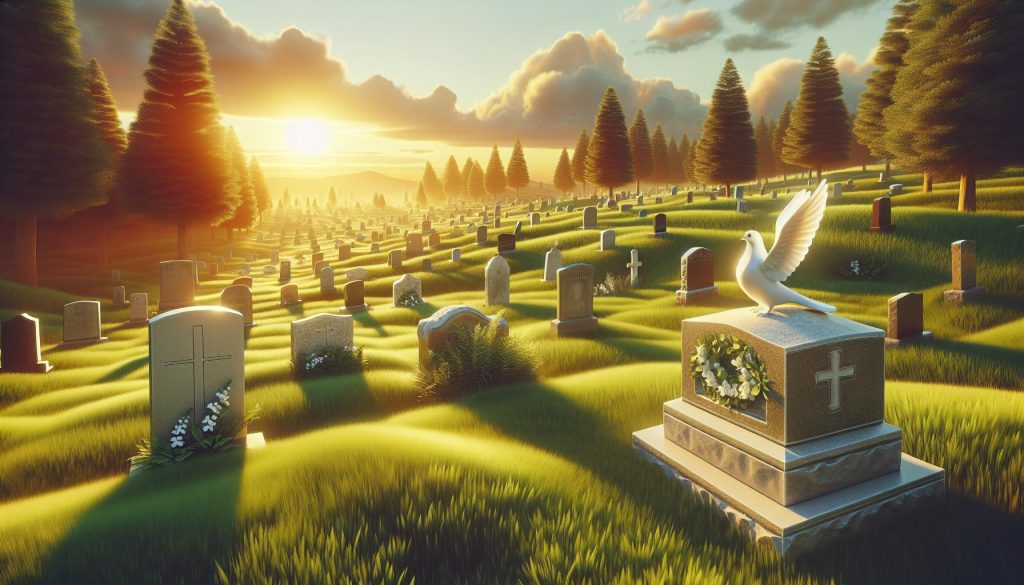
For over a century, one haunting idea has captured public imagination: what if the weight of the human soul has physical? The claim sounds dramatic, even eerie. Yet it comes from a real historical experiment that tried to measure the weight of the soul at the moment of death.
This story blends science, mystery, and philosophy. So, is the 21 grams mystery a truth hidden in science or a misunderstanding that grew into legend?
Where Did the 21 Grams Idea Come From?
The story traces back to Duncan MacDougall, a physician from Massachusetts in the early 1900s. He believed the soul had mass and therefore weight.
MacDougall conducted a small experiment in 1907. He placed terminally ill patients on specially designed scales near the time of death. According to his report, one patient appeared to lose about 21 grams at the moment of death.
From this observation, he suggested that the lost weight might represent the soul leaving the body.
Problems With the Experiment
Although the claim sounds fascinating, the experiment had major issues:
– Very Small Sample Size
MacDougall tested only a few patients. Such a tiny sample cannot support a big conclusion.
– Measurement Limits
Early 20th-century scales lacked the precision needed for such delicate measurements.
– Biological Explanations
At death, the body undergoes changes:
- Air leaves the lungs
- Body temperature shifts
- Fluids evaporate
- Muscles relax
Each factor can affect weight slightly.
Because of these variables, modern scientists do not accept the 21-gram claim as proof of a soul.
Why the Mystery Still Fascinates People
Even without scientific proof, the idea remains powerful. It touches deep human questions:
- What happens after death
- Does consciousness exist beyond the body?
- Is there a spiritual dimension to life?
Stories like this persist because they speak to emotion and belief, not just data.
The mystery even inspired art and media, including the film 21 Grams, which explores life, loss, and human connection.
What Science Says Today
Modern neuroscience views consciousness as a product of brain activity. When the brain stops functioning, consciousness ends.
No verified scientific study has found measurable “soul weight.” Researchers focus instead on:
-
Brain function
-
Neural signals
-
Cognitive processes
-
States of awareness
So far, evidence points toward biological explanations rather than spiritual mass.
A Balanced Perspective
You do not have to choose strictly between science and spirituality. Many people see the soul as a philosophical or religious concept rather than a measurable object.
In that sense, the “weight” of the soul may symbolize emotional and moral impact rather than grams on a scale.
Final Thoughts
The 21 grams mystery sits at the crossroads of science and belief. While evidence does not support the claim that the soul has weight, the question itself reveals something meaningful about human curiosity.
People seek answers about life, death, and purpose. That search drives both science and spirituality forward.
Perhaps the real weight of the soul lies not on a scale but in the lives we touch and the legacy we leave behind.