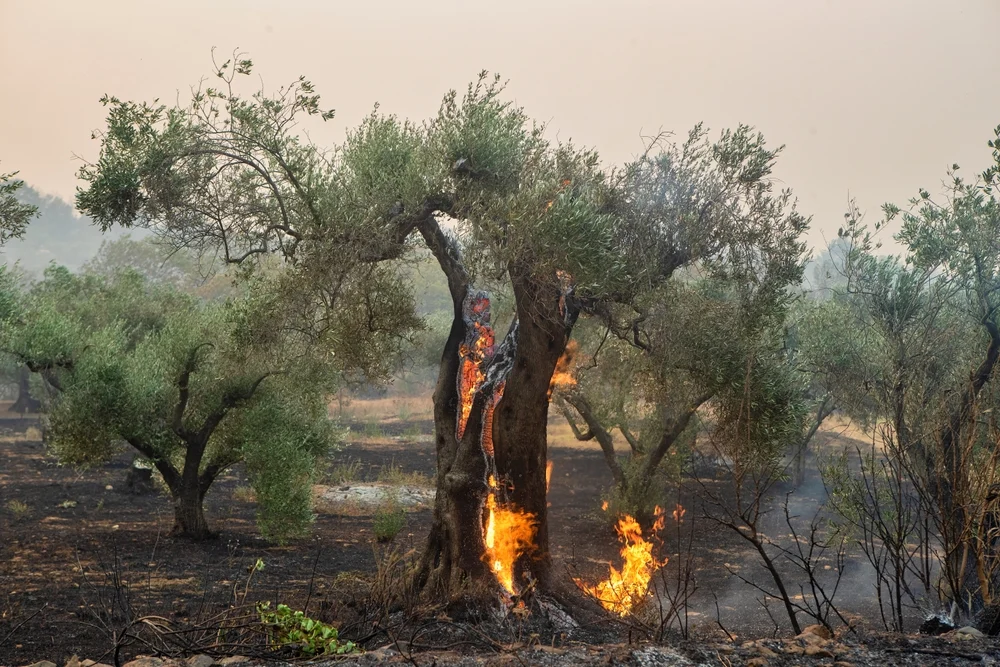
Europe is facing unprecedented heat, with weather agencies across the continent reporting record-breaking temperatures and prolonged heatwaves affecting millions of people. In several regions, forecasts indicate temperatures nearing 45°C, creating dangerous conditions for public health, agriculture, infrastructure, and energy systems. Governments have issued heat alerts, emergency services have increased preparedness, and residents are adjusting their daily routines to cope with one of the hottest periods in recent memory.
The current heatwave has become a major topic worldwide as scientists, policymakers, and climate experts examine whether increasingly frequent extreme weather events are linked to long-term climate trends. While Europe has always experienced summer heat, the frequency and intensity of these record-breaking temperatures have raised new concerns about climate resilience and future preparedness.
Europe Experiences One of Its Hottest Summers
Meteorologists report that Europe is facing unprecedented heat across multiple countries, with southern and central regions experiencing the highest temperatures. Several cities have recorded daytime temperatures close to historic records, while nighttime temperatures have remained unusually high, providing little relief for residents.
Extreme heat has affected:
- Major cities
- Rural communities
- Transportation networks
- Agricultural regions
- Tourist destinations
Authorities continue urging people to remain indoors during peak afternoon hours and follow official health guidance.
Temperatures Nearing 45°C Raise Safety Concerns
The possibility of temperatures nearing 45°C has prompted emergency warnings across several European countries.
Health officials advise residents to:
- Drink plenty of water.
- Avoid direct sunlight.
- Wear lightweight clothing.
- Limit outdoor activities.
- Check on elderly relatives and vulnerable neighbors.
Extreme heat can quickly lead to dehydration, heat exhaustion, or heatstroke if proper precautions are not taken.
Why Europe Is Becoming Hotter
Climate researchers say several factors contribute to increasingly intense heatwaves.
Among the most significant are:
- Rising global temperatures.
- Persistent high-pressure weather systems.
- Drier soil conditions.
- Urban heat island effects.
- Changing atmospheric circulation.
Scientists continue studying how these factors interact to produce prolonged periods of extreme heat.
Air Conditioner Demand Surges
One of the clearest signs that Europe is facing unprecedented heat is the sharp increase in demand for air conditioning systems.
Retailers across several countries have reported higher sales of:
- Air conditioners
- Portable cooling units
- Fans
- Cooling mattresses
- Heat-resistant window coverings
Many suppliers have struggled to keep up with growing demand as consumers prepare for hotter summers.
Pressure on Electricity Networks
Higher temperatures also increase electricity consumption.
As millions of households operate cooling systems simultaneously, power grids experience greater demand.
Energy providers continue monitoring:
- Peak electricity usage.
- Grid stability.
- Renewable energy production.
- Emergency backup capacity.
- Consumer energy conservation.
Several governments have encouraged residents to reduce unnecessary electricity use during peak demand periods.
Agriculture Faces Growing Challenges
Farmers across Europe are also feeling the impact.
Extended periods of temperatures nearing 45°C may affect:
- Crop yields.
- Livestock health.
- Water supplies.
- Soil moisture.
- Food production costs.
Agricultural experts continue developing strategies to improve resilience against future heatwaves.
Cities Adapt to Extreme Heat
Urban planners increasingly recognize that cities must adapt to hotter conditions.
Several European municipalities are investing in:
- More green spaces.
- Shade structures.
- Reflective building materials.
- Improved water management.
- Heat-resilient infrastructure.
These initiatives aim to reduce temperatures in densely populated urban areas.
Public Health Remains a Priority
Health agencies continue emphasizing preventive measures during heatwaves.
Officials recommend:
- Staying hydrated.
- Avoiding strenuous outdoor activities.
- Using cooling centers when available.
- Monitoring weather alerts.
- Seeking medical attention if symptoms of heat illness develop.
Protecting vulnerable populations remains a key focus for emergency services.
Climate Change Debate Continues
The latest heatwave has renewed discussion regarding climate change and long-term environmental planning.
Many climate scientists state that while no single weather event can be attributed solely to climate change, long-term observations indicate that extreme heat events are becoming more frequent and more intense in many parts of the world.
Researchers continue gathering data to improve forecasting models and support evidence-based climate adaptation policies.
How Individuals Can Prepare
Experts encourage households to prepare for future heatwaves by:
- Creating emergency heat plans.
- Installing efficient cooling systems.
- Improving home insulation.
- Conserving water.
- Following official weather updates.
Preparedness can significantly reduce health risks during prolonged periods of extreme temperatures.
Looking Ahead
Weather agencies expect Europe to continue experiencing periods of unusually hot weather during the summer season. Governments, scientists, businesses, and communities are increasingly working together to strengthen climate resilience, improve emergency response systems, and invest in infrastructure capable of withstanding more frequent heatwaves.
Although forecasting continues to improve, experts emphasize that preparation and public awareness remain the most effective tools for reducing the impact of extreme heat.
Conclusion
Europe is facing unprecedented heat, and forecasts of temperatures nearing 45°C highlight the growing importance of climate preparedness and public safety. From rising air conditioner sales to increased pressure on healthcare systems and energy networks, the effects of extreme heat are becoming more visible across the continent.
As Europe adapts to changing climate conditions, governments and citizens alike face the challenge of building more resilient communities while protecting lives, infrastructure, and the environment. Staying informed, following official guidance, and preparing for future heatwaves will remain essential as extreme weather events become an increasingly important global issue.